21 Temmuz 2026
açık


Former MP Ann Widdecombe found dead; suspect detained and terrorism inquiry launched. Authorities investigate circumstances and public safety implications.
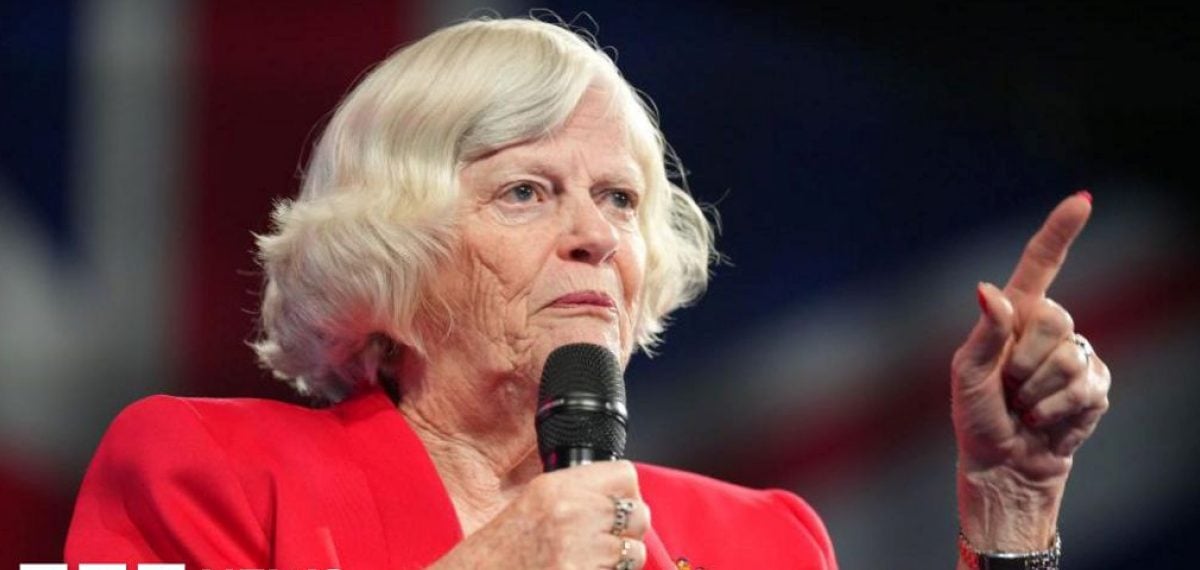
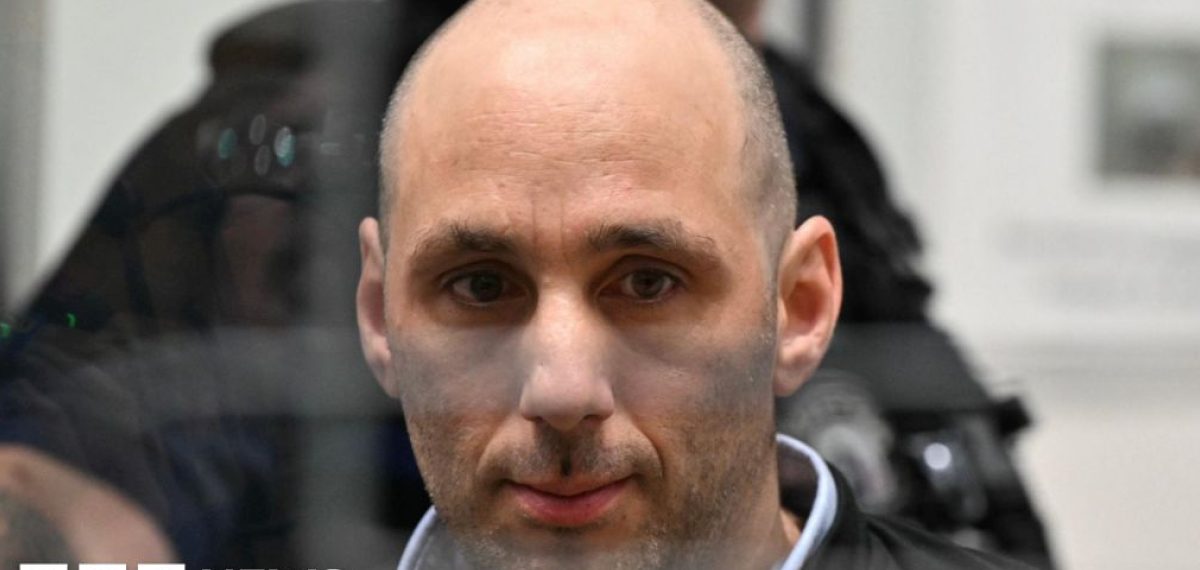
Ann Widdecombe, 78, was found dead at her Devon home after sustaining serious injuries; a 28‑year‑old white British man from Rotherham was arrested on suspicion of murder and later re‑arrested on suspicion of commission, preparation or instigation of acts of terrorism, and Counter Terrorism Policing South East has taken over the inquiry.
Devon and Cornwall Police believe the attack occurred on Wednesday at about 12:30, while CCTV places the suspect getting into a car in Yorkshire just before 08:00 BST the same morning. From the initial arrest on Saturday the standard 96‑hour detention window applied, but the suspect can be held up to two weeks under the Terrorism Act after the re‑arrest on Monday.
Counter Terrorism Policing South East said new information had “come to light” prompting its lead role; National Counter Terrorism Policing head Laurence Taylor said investigators are working to establish the motivation and urged anyone with information to contact police. Devon and Cornwall Police had earlier said there was “nothing to suggest” political motivation, before the case transferred to counter‑terrorism teams.
Home Secretary Shabana Mahmood told the House of Commons the suspect was not on the government’s Prevent programme and said the case raises questions about the security of public figures; she added police will issue guidance to MPs on safety. Widdecombe served as Conservative MP for Maidstone for 23 years and held ministerial office between 1994 and 1997.
The shift to a counter‑terrorism lead transforms the case from a local homicide inquiry into a matter of national security scrutiny. That escalation will mobilise specialist resources and widen investigative reach, including national intelligence checks and cross‑region evidence‑gathering, which can lengthen detention and review timelines.
For public life and security policy, the incident underscores tensions between open democratic engagement and the protection of politicians and commentators. It may prompt faster reviews of protective guidance for former and current public officeholders and renew debate on preventive schemes such as Prevent, even where individuals are not previously known to them.