18 Temmuz 2026
açık


EU eases ETS cuts to 2038, extending compliance timelines and easing pressure on firms while maintaining long-term decarbonisation goals.
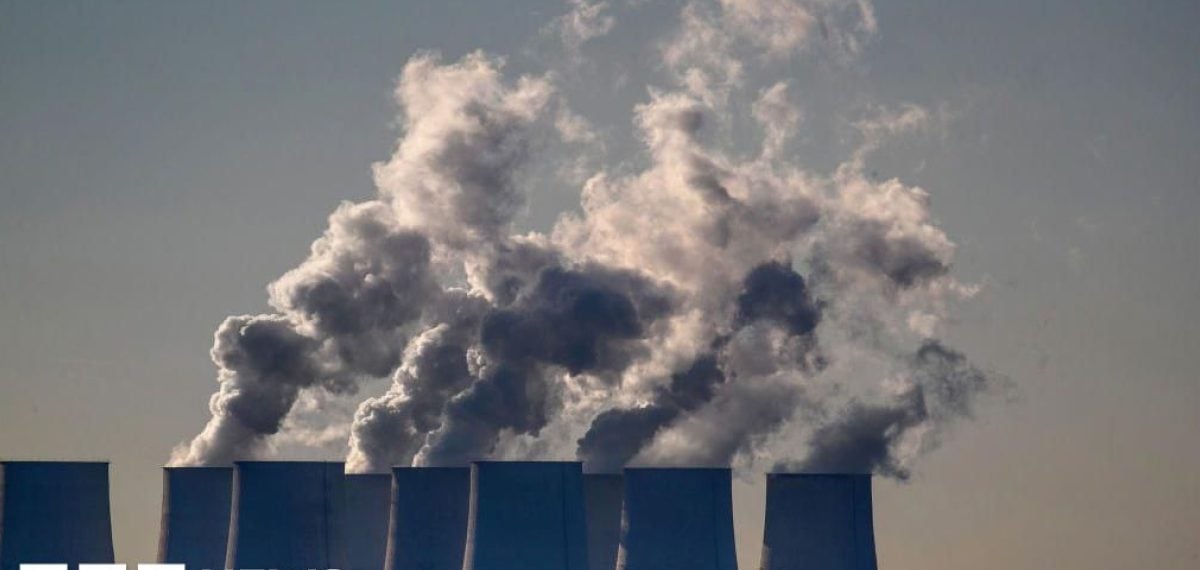
The European Commission proposed slowing the reduction of greenhouse gas limits under the EU emissions trading system (ETS), allowing some industries to receive allowances until 2038 instead of the planned 2034 if they commit to decarbonisation investments, the Commission said on announcement day. The move aims to balance business transition capacity with the bloc’s target of 90% emissions reduction by 2040 compared with 1990 levels.
Under the proposal, the annual cap’s decline would be moderated to about 3.7% from 2031 and to 1.7% from 2036, down from the current 4.3% trajectory. Free allowances would continue until 2038 rather than ending in 2034, and firms that pledge European decarbonisation investments would receive 80% of free permits up front, with the remaining 20% granted after investments are implemented.
EU climate commissioner Wopke Hoekstra framed the package as “a more business-friendly and savvy approach,” stressing the need to secure industrial buy-in for a deep emissions cut by 2040. The Commission developed the proposals as part of a broader climate policy overhaul that still requires approval by EU member states and the European Parliament, a process expected to take about a year.
Reactions were split. Poland’s climate minister Paulina Hennig-Kloska welcomed the softening and indicated Warsaw would seek further loosening, calling the shift “a huge success for Poland.” Green lawmakers criticised the plan; German MEP Michael Bloss warned it risks producing “gigantic climate pollution” and harming future living standards.
The ETS, launched in 2005, forces polluters to buy permits for each tonne of CO2 emitted and caps total allowances to incentivise cleaner technology. Some sectors receive free permits to protect competitiveness versus foreign firms not facing carbon costs. The Commission says the adjusted glide path and conditional free allocation aim to keep industry active in Europe while steering decarbonisation.
Moderating the ETS trajectory and extending free allowances reflect political trade-offs between industrial resilience and climate ambition. In the short term, emissions reductions will slow relative to prior plans, easing cost pressures on energy-intensive industries and reducing immediate risks of carbon leakage.
Longer term, the conditionality—upfront allocation linked to concrete investments—could channel public and private funds into European decarbonisation projects. The effectiveness depends on robust monitoring and enforcement: without strict verification, the policy risks delaying meaningful emissions cuts while offering windfalls to incumbents.
Markets may react cautiously: power and industrial firms gain breathing room, potentially tempering near-term carbon price spikes, but investors seeking predictable tightening of supply will face more uncertainty about future permit scarcity.