29 Ekim 2026
parçalı bulutlu


Close race in Israel as Netanyahu and Eisenkot vie for leadership; live results, analysis, and implications for national politics and security.
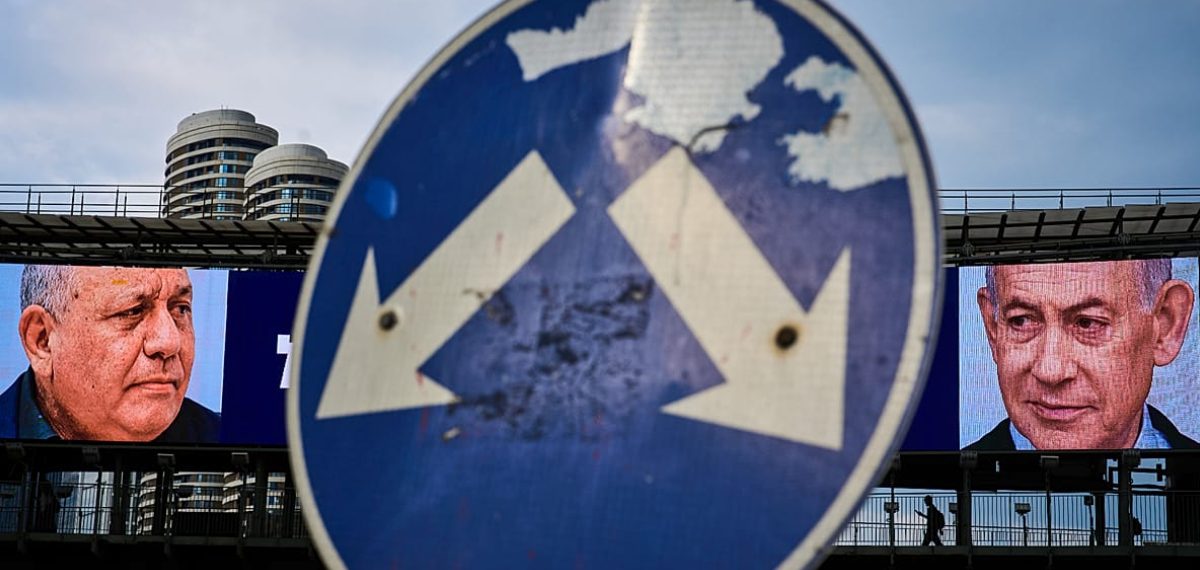
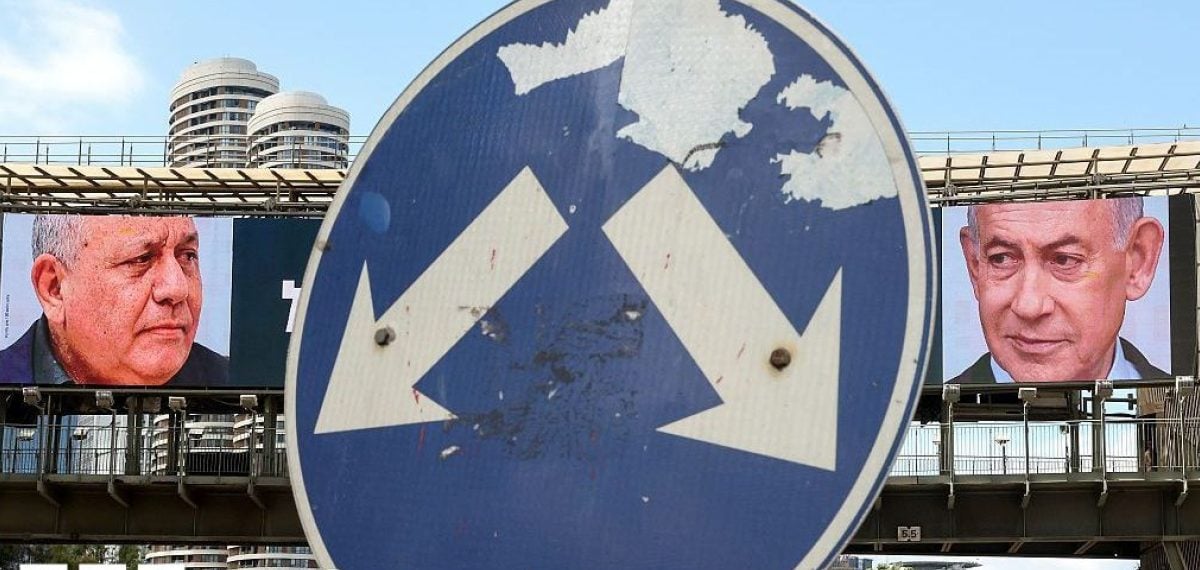
Israel held a general election today, its first since the Hamas-led attack of 7 October 2023, with final polls showing Prime Minister Benjamin Netanyahu and centrist challenger Gadi Eisenkot running neck and neck. Some 7.3 million people were eligible to vote, including hundreds of thousands voting for the first time and tens of thousands who flew home from abroad to participate.
Benjamin Netanyahu, 77, Israel’s longest-serving prime minister with more than 19 years in office on and off, campaigned on his security credentials and his close relationship with US President Donald Trump, arguing he is best placed to keep the country safe. Gadi Eisenkot, 66, a former military chief and leader of the Yashar party, positioned himself as a political newcomer promising an independent state inquiry into the security failures surrounding the 7 October attack, a move the current government had resisted.
Voters at polling stations reflected the national divide, with supporters citing decisive leadership and opponents calling for change. Arab-majority parties, representing around 21% of the population, could become kingmakers if the result is as tight as expected, although neither leading candidate has publicly committed to partnering with them.
The vote is being closely watched in Europe, where the EU is Israel’s largest trading partner but relations have been strained over the war in Gaza. In April, Spain, Ireland and Slovenia renewed a push to suspend the EU-Israel Association Agreement at a foreign ministers meeting, but Germany and Italy blocked the move. Analysts noted that replacing Benjamin Netanyahu would not necessarily end the policies prompting European criticism, pointing out that Gadi Eisenkot has opposed Palestinian statehood while promising to crack down on violent settlers.
Polls close at 22:00 local time (21:00 CET) and final results could take days. No party was expected to reach the 61 seats needed for a Knesset majority, meaning coalition negotiations could stretch for weeks or months.
The tight race underscores a deeply divided electorate confronting security concerns after the 7 October attack and differing visions for accountability and governance. The presence of Arab-majority parties as potential kingmakers highlights the fragmented nature of Israeli politics and the centrality of coalition building to any post-election government. European scrutiny of Israel’s policies adds an external dimension to the domestic contest, while polling and logistical timelines indicate a protracted period of negotiation before a stable governing coalition can form.