28 Ekim 2026
parçalı bulutlu


A collision between two high-speed trains near Urda, Spain, has killed 64 people and injured 80. Rescue operations continue as investigators examine the cause.
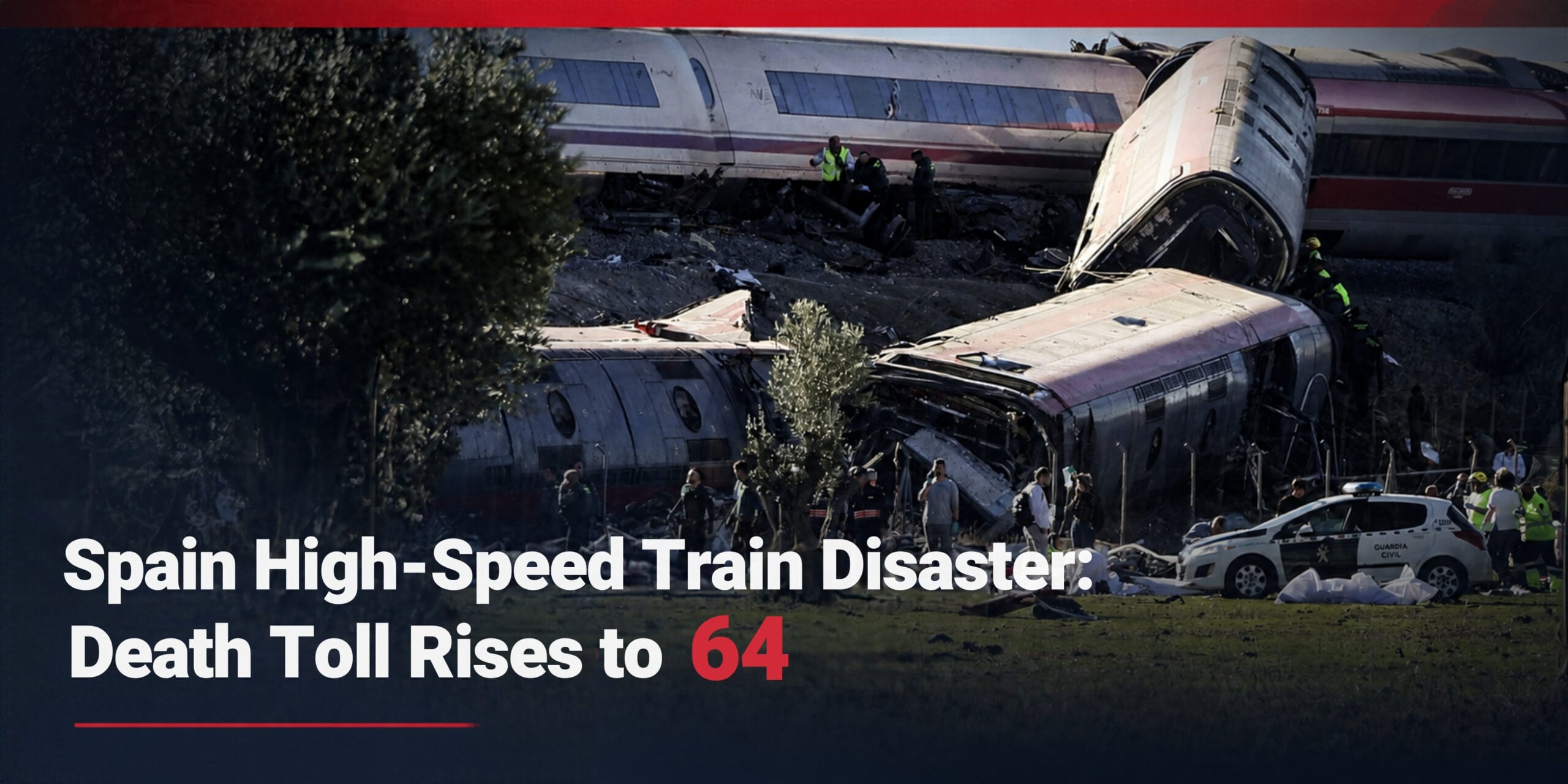
A collision involving two high-speed trains traveling on Spain’s Madrid–Seville route has left 64 people dead and 80 injured. Rescue operations are continuing as emergency crews search the crash site, while services on the Madrid–Andalusia high-speed rail line remain suspended. Spanish media have reported that human error related to railway signaling could be one possible cause of the accident.
The death toll from a collision between two high-speed trains in Spain rose to 64 on Wednesday, October 28, 2026. According to the regional government of Castilla-La Mancha, 80 people were also injured in the crash, which occurred at 8:54 a.m. local time near the municipality of Urda in Toledo province.
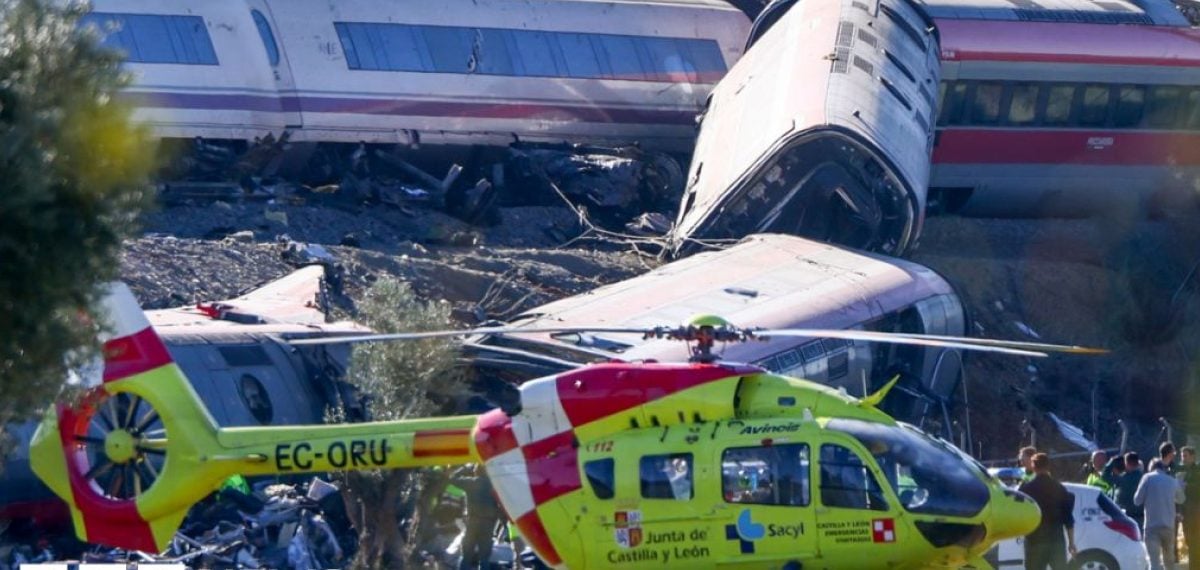
Initial reports indicated that a Renfe train struck an Iryo-operated high-speed train from behind. The impact caused several carriages of the Iryo train to leave the tracks and plunge down an embankment, significantly complicating rescue efforts.
Emergency services, medical teams and search-and-rescue personnel were dispatched to the scene. Helicopters also assisted the response as crews worked around the derailed carriages to locate and evacuate victims.
Following the collision, authorities suspended services on the Madrid–Andalusia high-speed railway corridor. No definitive timetable for the resumption of normal operations was included in the available reports.
According to information released by the regional authorities, the Renfe train was carrying 397 passengers, while the Iryo train had 147 people on board, including one baby.
The large number of passengers involved has made the emergency response particularly challenging. Rescue teams have continued working at the scene as authorities assess the extent of the damage and determine the circumstances surrounding the collision.
Officials have not yet provided a complete account of the victims or confirmed the final number of people affected by the disaster.
Spanish media reports have identified a possible human error involving railway signaling as one potential explanation for the crash. However, the precise cause has not yet been officially established.
The signaling hypothesis remains unconfirmed, and it would be premature to treat it as the definitive explanation. Investigators are expected to examine the circumstances leading up to the collision to determine how the two trains came into conflict.
The findings of the official investigation will be crucial in establishing whether operational mistakes, signaling issues or other factors contributed to the disaster.
Spain’s Health Minister, Monica Garcia, issued an urgent appeal for blood donations in a post on X, warning that the scale of the accident could create additional medical needs.
Garcia also shared information about nearby blood donation centers to help residents identify where they could donate.
Prime Minister Pedro Sanchez was reported to be traveling to Urda to assess the situation firsthand. Following the accident, Sanchez expressed his shock and said emergency services were coordinating with the relevant authorities to assist those affected and ensure their safety.
The latest tragedy has once again brought railway safety in Spain into focus. On January 18, a separate train accident near Adamuz in the southern province of Cordoba killed at least 45 people and injured 170.
The October 28 collision has now claimed 64 lives and left another 80 people injured, according to the latest figures released by the Castilla-La Mancha regional government.
As rescue operations continue, authorities face the immediate tasks of identifying the victims, ensuring medical care for the injured and determining exactly how the collision occurred. Further information is expected as emergency operations and the investigation progress.
Kaynak: IHA