03 Kasım 2026
parçalı bulutlu


Khamenei warns of immediate, unrestricted retaliation as Iran signals readiness, heightening regional tensions and global diplomatic urgency.
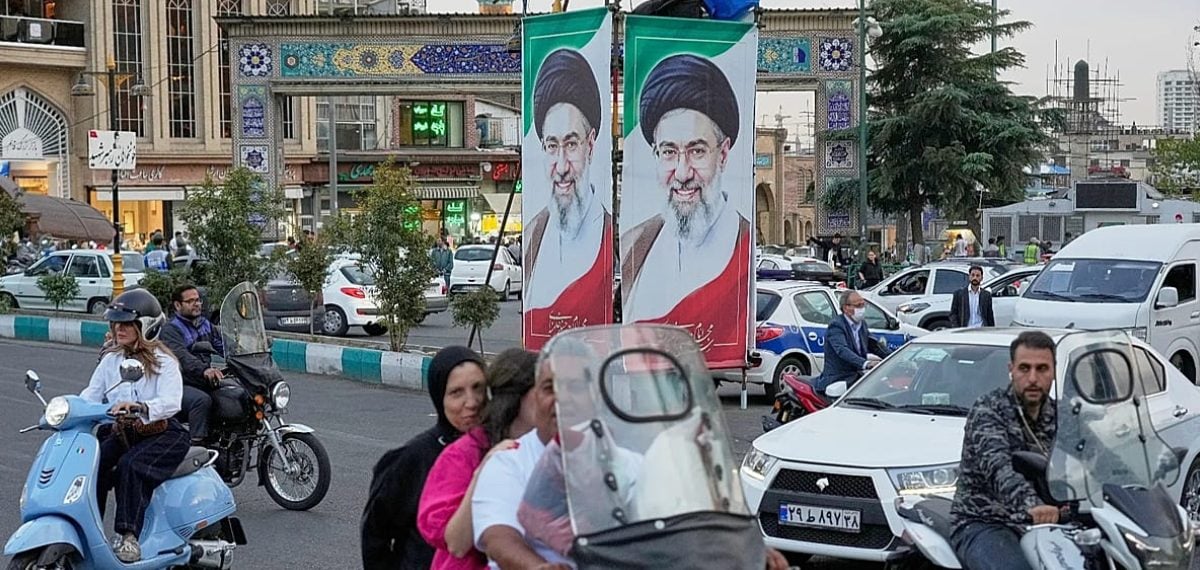
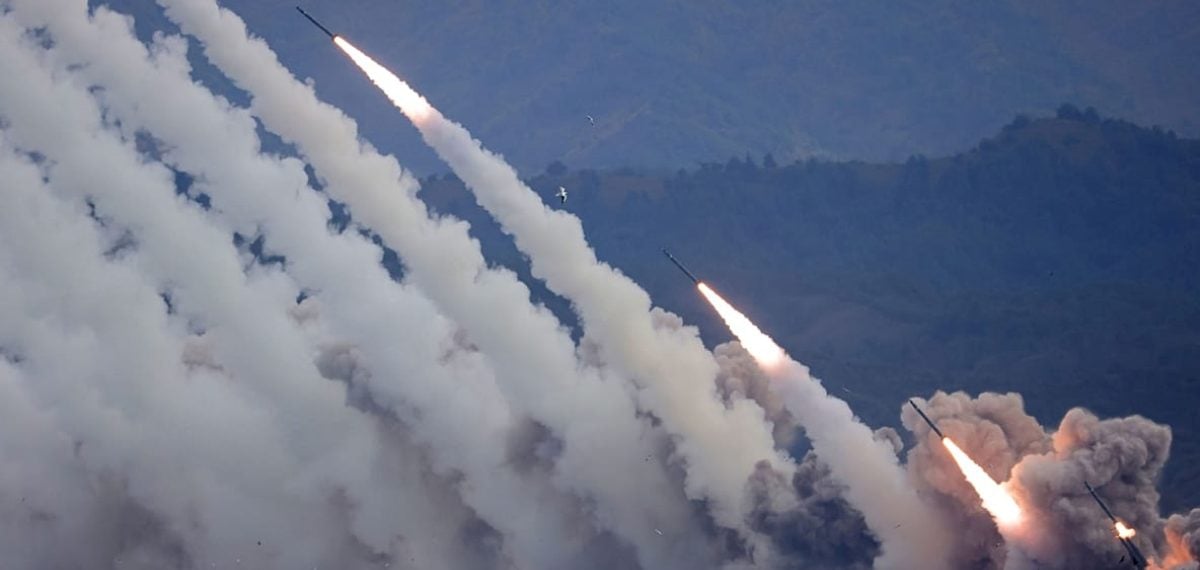
Iranian Supreme Leader Ayatollah Mojtaba Khamenei met with top military commanders on Saturday and directed preparations for potential new U.S. or Israeli military action, emphasizing that any level or type of threat must be met with an immediate, impactful and geographically unrestricted response. State media reported that Khamenei called for an updated list of potential U.S. and Israeli targets to include all kinds of physical and non-physical assets and said Iran would determine the duration of any new war.
At the meeting the commander of the Islamic Revolutionary Guard Corps Major General Ahmad Vahidi, together with the Iranian army commander and his chief of staff, briefed the supreme leader on Iran’s military readiness and reported that Iran’s weapons production has increased seven-fold, according to state media. The Institute for the Study of War assessed that Khamenei’s threats are likely part of an effort to deter the United States and Israel from striking Iran.
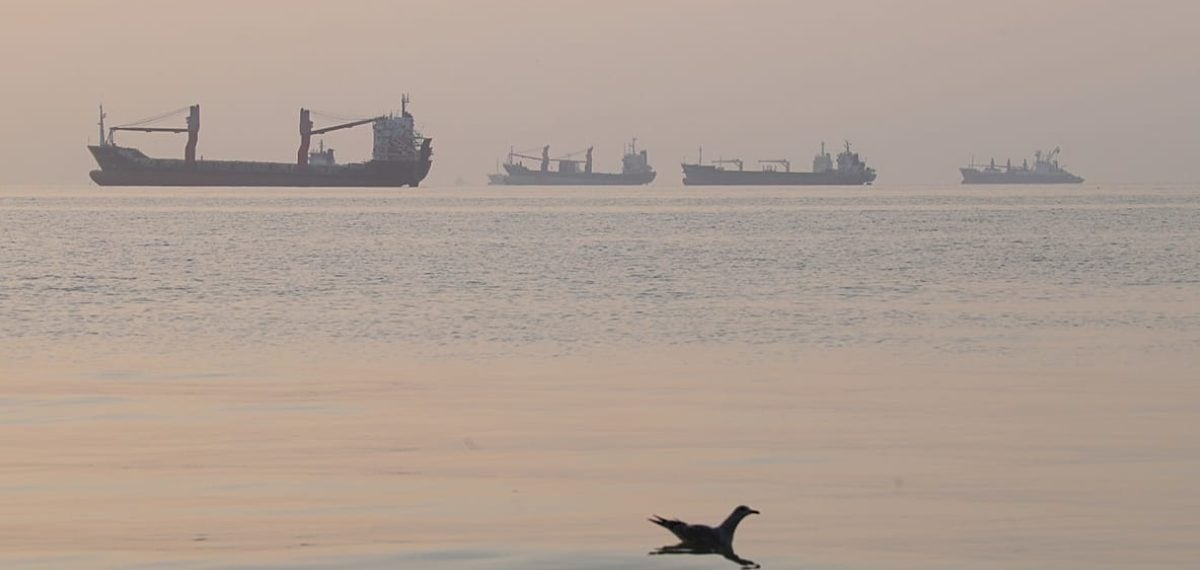
Alongside the warnings, Iranian officials signalled parallel diplomatic moves. Iranian Foreign Minister Abbas Araghchi said Tehran could agree to reopen the Strait of Hormuz in two days following mediated talks in Qatar, and described U.S. efforts toward broader dialogue as a positive step while noting that a decision on direct or indirect negotiations would follow Washington agreeing to Iran’s conditions.
Major General Mohsen Rezaei, head of Iran’s Supreme National Security Council, said he had received a letter from U.S. Vice President JD Vance proposing negotiations and described a change in tone as a very good sign. Rezaei also said ships in a reopened Strait of Hormuz would travel on a route agreed by Iran and Oman and that passage would be under Iranian management. Rezaei warned on X that any attack would bring devastating blows on the aggressor using new weapons and stated that there has been no decision to change Iran’s nuclear doctrine, while acknowledging some domestic debate on that question if Iran is attacked again.
Khamenei’s public directive to prepare for geographically unrestricted retaliation frames Iran’s immediate posture as both deterrent and escalation preparedness, while concurrent diplomatic engagement via Qatar indicates Tehran is keeping open political avenues. The combination of heightened military readiness, including a reported seven-fold increase in weapons production, with signals of willingness to negotiate over the Strait of Hormuz creates a dual-track strategy aimed at maximizing leverage over potential adversaries. External assessments that view the rhetoric as deterrence align with Iran’s simultaneous steps to define conditions and routes for maritime passage, suggesting Tehran is calibrating both coercive and negotiated instruments to shape outcomes.