29 Ekim 2026
parçalı bulutlu


Xi’s anti-corruption drive escalates as a plenum records unprecedented expulsions and dwindling attendance, signaling tightening political control.
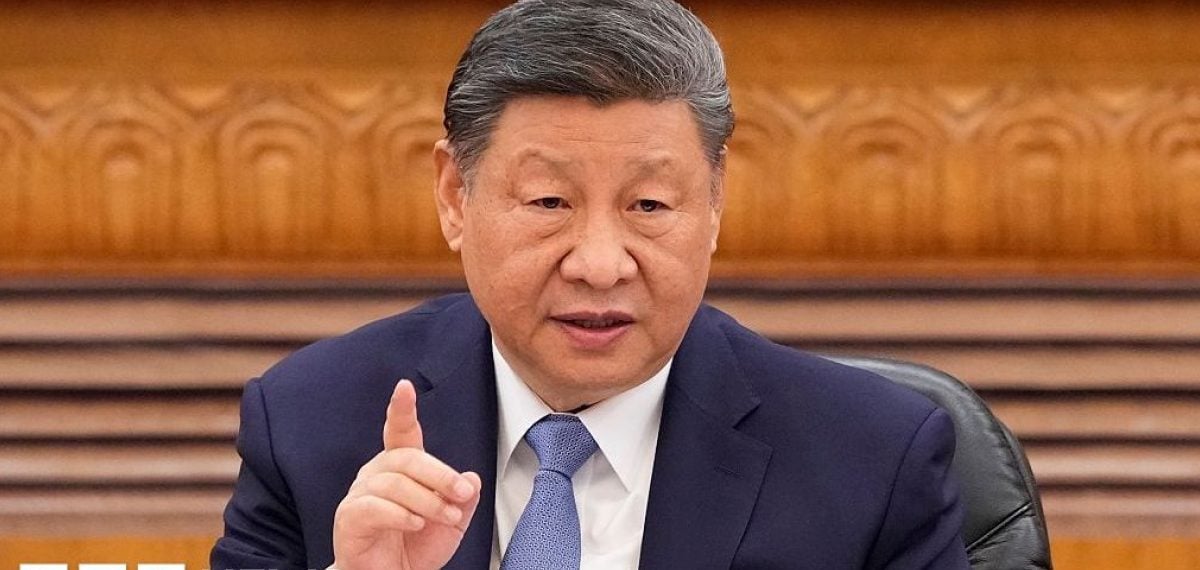
The recent fifth plenum of China’s Communist Party concluded with an unprecedented purge: 33 Central Committee members were expelled, marking a record for a single meeting. Attendance fell sharply, with 279 members present compared with 315 at the previous plenum and 364 earlier, a signal of shifting dynamics within the party.
Party discipline dominated discussions, reflecting Xi Jinping’s long-running anti-corruption campaign, which he has framed as essential to the party’s survival. Officials described the meeting as focused on strengthening internal governance and addressing what the party called erosion of leadership standards.
Sixteen of those expelled served in the military, according to the plenum communique issued at the four-day closed meeting in Beijing. The statement accused the removed members of “serious disciplinary and legal violations,” language routinely used in anti-corruption cases under Xi. Observers contend the campaign serves both to punish corruption and to consolidate political control.
The expulsions increase the number of people removed during Xi’s third term to 51, following 34 and five removals in his first and second terms respectively. Outside the plenum, the party’s top anti-corruption body reported that 680,000 people across the party system faced disciplinary measures in the first nine months of this year — underscoring the broad reach of the campaign.
Several senior figures were among those ousted, including former Xinjiang party chief Ma Xingrui and ex-generals Zhang Youxia and Liu Zhenli. Official announcements said they had violated party discipline and rules, a phrase commonly interpreted as indicating corruption. The removal of top military personnel has prompted concerns about organisational coherence and readiness even as China deploys modernised weaponry.
Zhang Youxia previously served as vice-chairman of the Central Military Commission; the commission is now largely concentrated in the hands of Xi and vice-chair Zhang Shengmin. Several previously influential Politburo members have also been removed in recent years, temporarily shrinking the leadership ranks before a few promotions were made at the plenum.
Analysts link the intensified focus on loyalty and discipline to preparations for the upcoming Party Congress next year and a wider personnel reshuffle due in 2027. Many expect Xi to seek an extended tenure, and the purges are widely seen as a way to vet and shape the next generation of leadership.
Commentators note that many rising officials are comparatively young, technocratic, and connected to Xi’s network, suggesting the leader will continue to exercise strong influence over appointments. As one scholar put it, the anti-corruption drive can expand or contract based on how secure Xi feels, rather than solely on measurable corruption.
The drop in plenum attendance below 300 for the first time in Xi’s leadership — the current Central Committee began with more than 370 members in 2022 — is itself noteworthy. Party rhetoric at the meeting emphasized a need to “turn the knife inwards” to tighten governance, portraying the campaign as both corrective and protective.
Longer term, observers say the expulsions and ongoing disciplinary measures will shape the party’s ideological contours and personnel landscape ahead of future congresses, reinforcing loyalty as a central criterion for advancement.