22 Ekim 2026
açık


Violence and looting heighten political tensions and blame ahead of France’s election, shaping campaign narratives and public security debates.
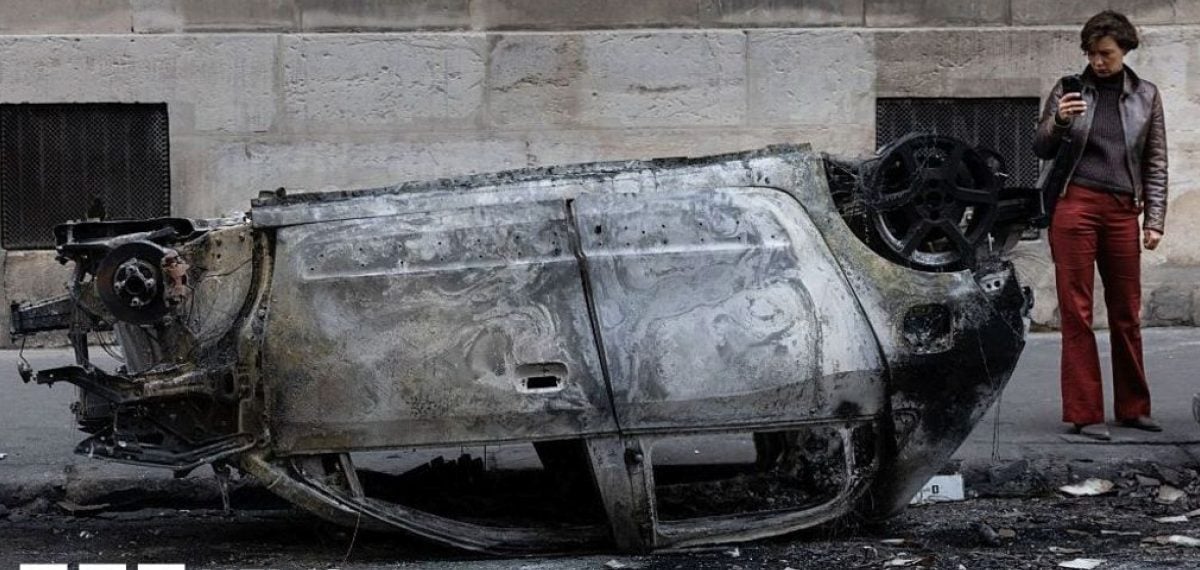
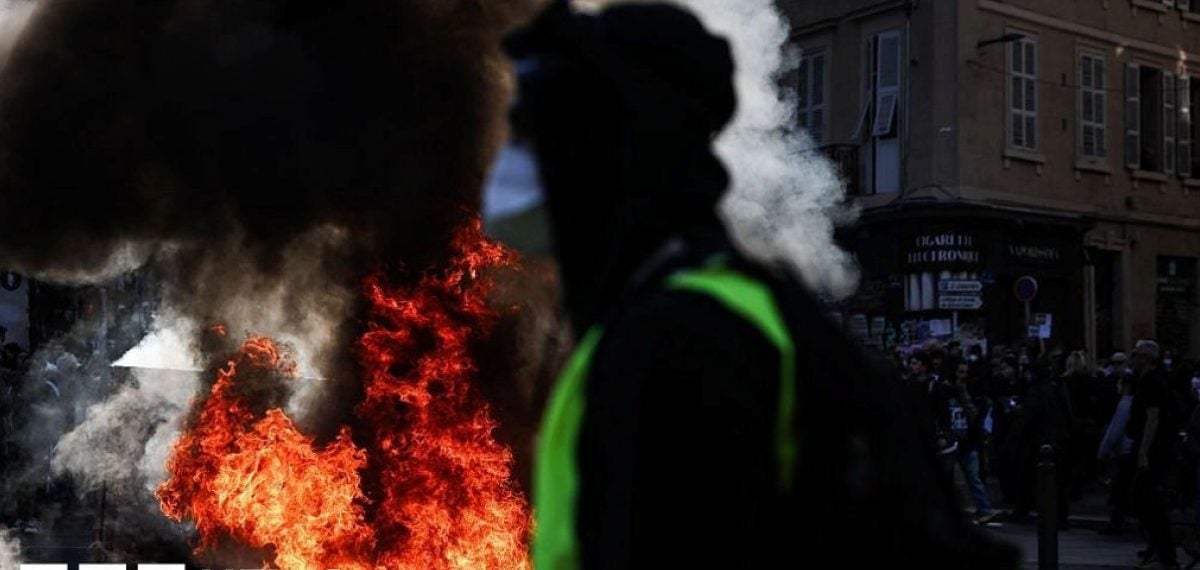
Major disturbances erupted across France on Saturday when waves of violence and large scale looting targeted thousands of shops and businesses, leaving streets littered with smashed windows and graffiti and prompting immediate political recriminations and calls for inquiries.
Eyewitnesses described groups of young people in black clothing attacking police vehicles and engaging in opportunistic theft, with some looters later attempting to sell stolen goods online. French authorities reported distinctive anarchist markings on buildings and circulated video footage showing masked individuals wielding large blunt instruments against police vans.
The president of the National Assembly, Yaël Braun Pivet, proposed a parliamentary inquiry to investigate how the riots were organised. French intelligence had earlier briefed government circles about the involvement of left wing anarchist groups in student protests, and a French intelligence report dated 29 September published by Le Figaro suggested manipulation of student demonstrations by student unions and political movements aligned with the radical left.
Political leaders responded forcefully. President Emmanuel Macron demanded explanations and a revised policing strategy after the Interior Ministry admitted there were insufficient officers on the streets. Prime Minister Sébastien Lecornu and Interior Minister Laurent Nunez attributed the mayhem to hard left groups, while Jean Luc Mélenchon and his La France Insoumise movement denied organising violence and said they had been present in earlier student demonstrations calling for better state education.
Marine Le Pen issued a formal video address blaming Mélenchon and the government and presenting the unrest as evidence of political failure, while other politicians including former prime minister Gabriel Attal called for measures to limit social media amplification of violent footage. Belgian officials also linked recent unrest to far left groups and to social media dynamics.
Student representatives such as Lisa Cordat of the FSE student union rejected claims of external manipulation, insisting student anger arose organically through organisation on social media and through student unions. Many interviewees expressed frustration at political leaders who they said used the violence for electoral advantage while neglecting the underlying grievances driving widespread protests over public services and economic pressures.
The Saturday disturbances have crystallised political fault lines ahead of a contested presidential election, amplifying narratives that frame the unrest either as organised insurrection by far left groups or as opportunistic criminality exploiting student protests. The response from state institutions prioritises accountability and intelligence review while political actors seek to convert the events into electoral leverage. The episode also highlights tensions between policing capacity, public order and the broader social discontent motivating protests about education, public services and economic hardship.