28 Ekim 2026
parçalı bulutlu


A new chapter has emerged in the long-running technology war between the United States and China. Reports that China is restricting overseas travel for strategically important AI engineers have drawn global attention.
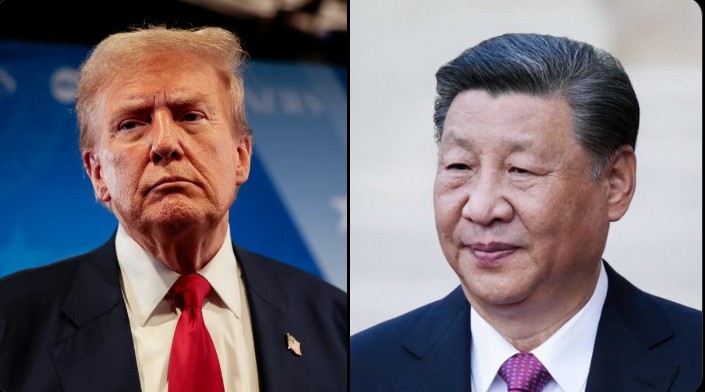
The US and China have been fighting a chip war for years.
Now the war has moved to people.
China has started restricting AI engineers from traveling abroad.
At first glance, it may sound strange.
But this is the latest move in a war that has been going on for years.
The US and China have long been engaged in a silent technology war.
First came tariffs.
Then chip bans.
Now the focus is on people.
Let me explain how we got here.
It all started with trade.
In 2018, the US imposed heavy tariffs on Chinese products. A trade war began between the two countries.
But the real turning point was technology.
The US blacklisted Huawei, China’s largest technology company. It cut off Huawei’s access to American software and chips.
At the same time, something even more serious happened. A top Huawei executive, who was also the founder’s daughter, was detained in Canada at the request of the US. She was not released for years.
China never forgot that. Because on that day, it realized something important: another country could hold one of your valuable people abroad and use them as leverage.
Then the war shifted to chips.
In 2022, the US largely banned the sale of advanced chips and chip-making equipment to China.
The goal was clear: keep China behind in the AI race.
Everyone thought it would work.
Then something unexpected happened last year. A Chinese company called DeepSeek released a model close to America’s best AI systems, using far less money. That day, Nvidia lost $600 billion in market value in a single day.
Despite the bans, China had caught up in the race.
And now we’ve reached this point. China is protecting the thing that made that possible: its engineers.
Top engineers at companies like Alibaba and DeepSeek can no longer freely travel abroad. Travel for those considered strategically important is now subject to approval.
According to claims from DeepSeek employees, their passports are being kept by the company.
It’s unclear whether this decision came from the company or the government. But either way, those minds are staying inside the country.
The company’s founder, Liang Wenfeng, was invited to this year’s AI summit in Paris. He did not attend.
So why is China doing this?
There are two reasons. Both are strategic.
The first: knowledge.
An engineer’s value is not in the computer on their desk. It’s inside their mind. Years of accumulated methods, data, and experience. If that engineer moves to another country, all that knowledge goes with them.
The second: leverage.
China has already experienced this before. Huawei’s executive was held in Canada for years. China does not want one of its valuable people to become a hostage again.
In other words, China no longer sees these people merely as employees, but as assets. Like gold. Like oil. A resource that should not leave the country.
Now here’s the really interesting part.
The US is playing the same game too. Just with a different piece.
The US protects hardware. China protects people.
Both countries are treating artificial intelligence not as an ordinary technology, but as a weapons program.
We’ve seen this movie before.
During the Cold War, both sides protected their nuclear secrets.
You didn’t export uranium. You didn’t let your physicists cross borders freely. Because a few scientists were worth more than an entire army.
Today, chips have replaced uranium. AI engineers have replaced physicists.
That engineer is now a national power.
The issue is no longer just who builds the better model.
It’s who controls the minds that build those models.
What do you think?
Kaynak: Penguin X @ThePenguinBTC