24 Eylül 2026
açık


Typhoon Bavi menaces Taiwan and southeastern China after deadly Philippine landslides, prompting evacuations and urgent weather warnings.
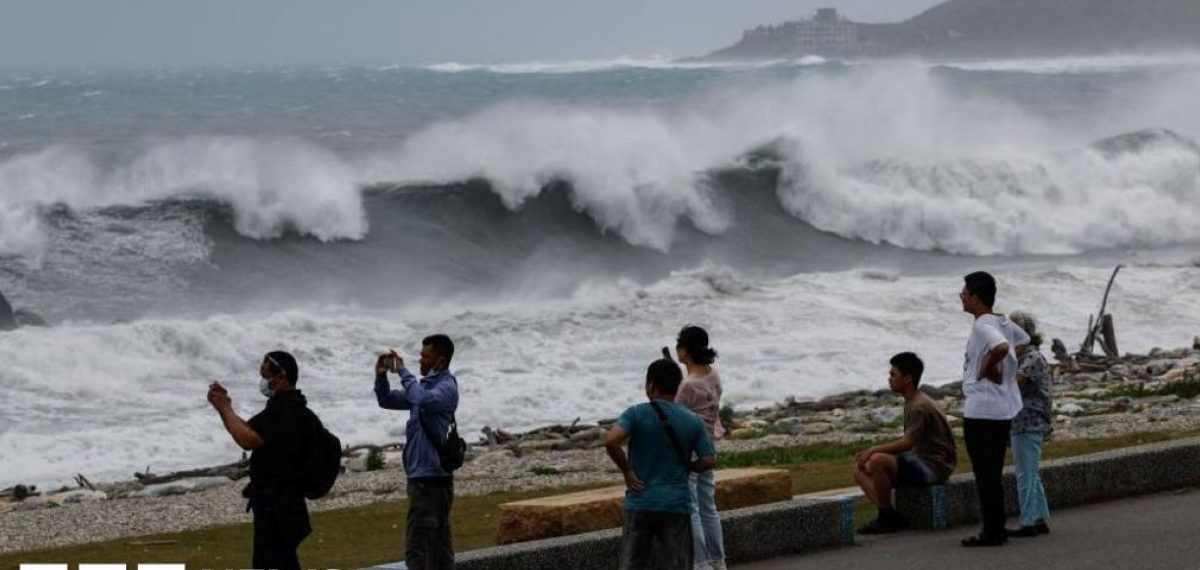
Landslides in Mindanao killed at least 15 people as Typhoon Bavi, spanning about 1,000km, moved across the Pacific toward Taiwan and south-eastern China, officials and defence authorities said on Friday.
Rescuers on Mindanao continued searching for missing people after families were buried overnight, while moderate to heavy rains were forecast to persist through the weekend, according to Philippine authorities.
Taiwan’s Central Weather Administration and the island’s defence ministry warned Bavi could be the largest storm by size since 1987, with up to 1m of rainfall possible; about 29,000 soldiers were placed on standby to assist relief efforts.
Authorities across the region suspended classes and airlines cancelled dozens of flights as residents stocked supplies and protected property, with farmers harvesting crops and fishermen securing vessels ahead of the storm.
China’s Institute of Public and Environmental Affairs said Bavi’s large size and energy could carry remnants and outer rainbands northward from Jiangsu and Anhui toward the Bohai Sea, urging northern provinces to strengthen preparations.
Chinese officials warned of a significant impact on south-eastern Fujian province, and some forecasts indicated the typhoon could make landfall more than once in China.
In Japan, residents on the Sakishima Islands secured windows and windproof nets, while carriers including Japan Airlines and All Nippon Airways cancelled more than 260 flights combined, affecting roughly 40,000 passengers; Thai Airways and Malaysia Airlines also grounded Taipei routes.
The warnings followed recent devastation from Typhoon Maysak in southern China, which left at least 39 dead, prompted evacuations of more than 130,000 people—mostly in Guangxi—and caused extensive agricultural and livestock losses, according to official counts.