13 Temmuz 2026
açık


Former Qatari Emir Sheikh Hamad bin Khalifa Al Thani dies at 74; Qatar declares national mourning as leaders and citizens pay tribute.
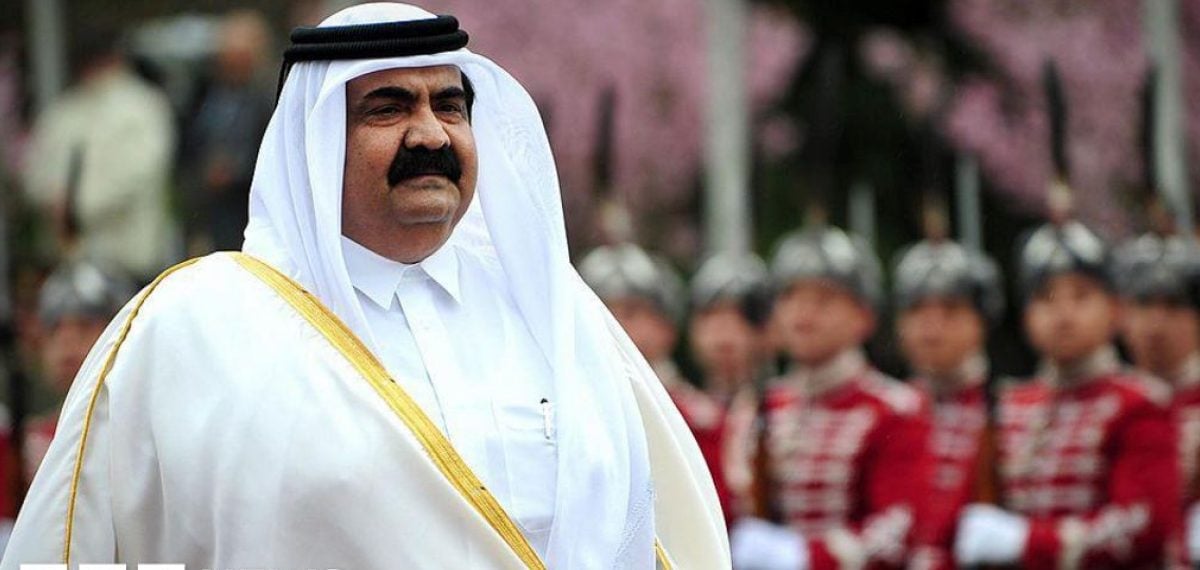
Sheikh Hamad bin Khalifa Al Thani, who led Qatar from a 1995 bloodless takeover until his voluntary 2013 abdication, has died aged 74, the Bureau of the Emir announced on Sunday. Funeral prayers are scheduled for Sunday evening and several days of public mourning will follow, with flags at half-mast and closures of government offices and public institutions as a mark of respect.
When Sheikh Hamad assumed power in June 1995 while his father Sheikh Khalifa was abroad, Qatar faced economic strain and dwindling oil revenue. Over his 18-year rule he transformed the country into a global energy powerhouse by expanding liquefied natural gas production through international partnerships and investments.
In 1996 he launched the Al Jazeera network, which later became globally influential in international broadcasting. He also founded the Qatar Investment Authority, directing sovereign wealth into overseas assets such as Harrods and the French football club Paris Saint-Germain.
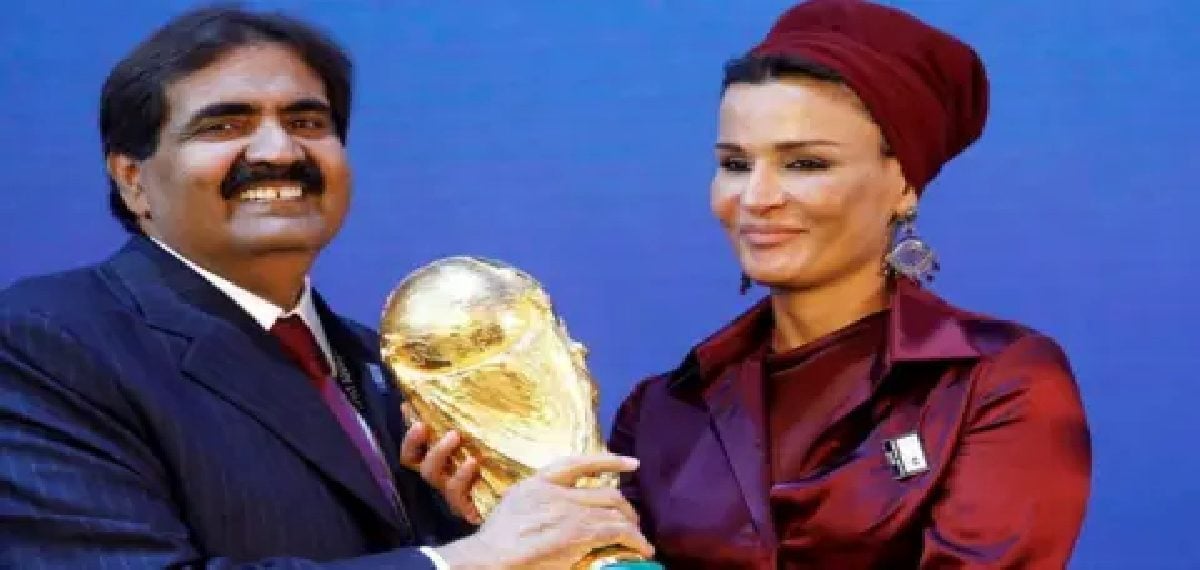
One of the country’s highest-profile milestones under his leadership was Qatar’s successful bid to host the 2022 FIFA World Cup, awarded in 2010. The project required large-scale infrastructure and construction: reports indicate some 30,000 foreign labourers were mobilised for stadium construction, and later analyses cited that around 6,500 migrant workers from India, Pakistan, Nepal, Bangladesh and Sri Lanka had died in the period after the bid win—though Qatari officials noted not all deaths were World Cup-related.
The Emirate’s human rights record and laws criminalising same-sex relationships drew international criticism during and after his rule, even as Qatar expanded its diplomatic and economic footprint. Qatar had been a British protectorate until 1971, with the Al Thani family ruling since 1851.
Sheikh Hamad’s death closes a defining chapter in Qatar’s modern history. Economically, his policies founded the state’s LNG-led growth model and a sovereign investment strategy that continue to shape global energy and finance flows. Politically and socially, the institutions and international profile he built—media platforms, sports investments and diplomatic ties—leave a mixed legacy: enhanced soft power and global reach on one hand, and persistent scrutiny over labour and human rights practices on the other.
For Qatar’s domestic audience and regional partners, the immediate impact is symbolic and procedural: official mourning and a managed transition of ceremonial roles. Strategically, stakeholders will watch how the ruling family and state institutions sustain economic momentum while addressing long-term governance and labour reforms that have implications for foreign investment and international relations.