26 Ağustos 2026
açık


Zaporizhzhia struck by intensified Russian drone and glide-bomb attacks, officials report rising damage and urgent civilian safety concerns.

Early on a morning in Zaporizhzhia, glide bombs and swarms of drones struck suburbs and infrastructure, acting mayor Regina Kharchenko and local officials told the BBC, leaving civilian areas damaged and disrupting daily life.
Residents including IT specialist Anna Holovchenko described being woken at around five by explosions as air defences engaged incoming munitions. An hour later a second wave of drones passed over her home, and one Shahed drone crashed near her office while another severed an internet cable.
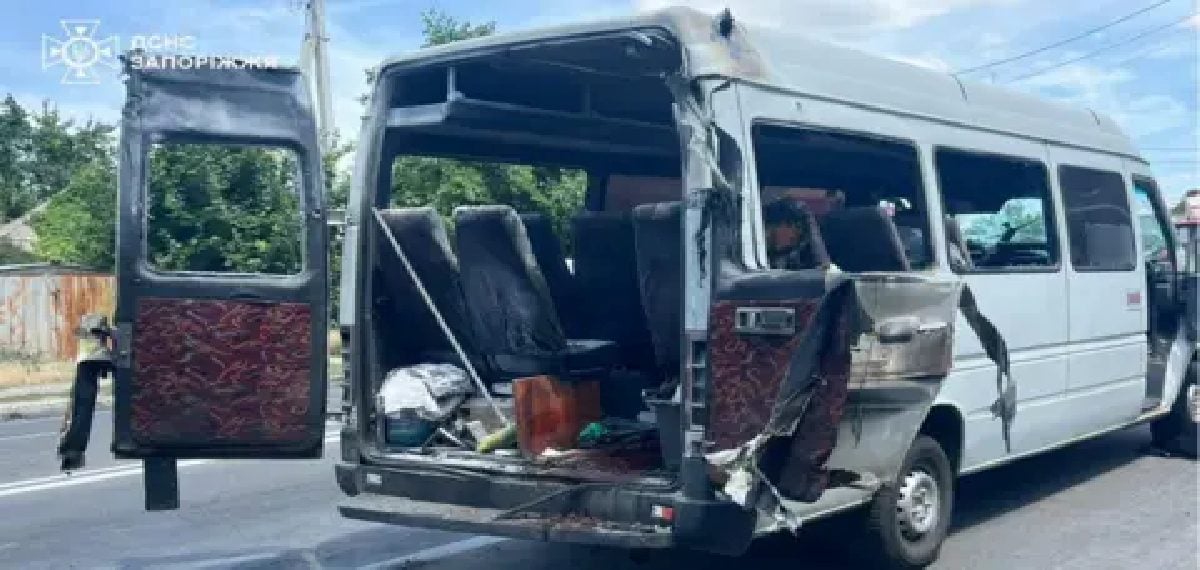
Local authorities reported multiple hits on buses, petrol stations, schools, government offices and homes in recent weeks, and said three people died when a civilian bus was struck. The city council convened in an underground shelter to discuss the worsening security situation.
Kharchenko told the council that the enemy had increased terror against civilians and municipal services, prompting plans to build more shelters, install anti-drone nets at busy sites and fit anti-shatter film on windows of schools, hospitals and public buildings.
Ukrainian forces have pushed Russian units back a few kilometres from the city, but attacks have intensified due to the use of small first-person-view (FPV) drones and combinations of mothership drones that extend range, analysts from the Royal United Services Institute said.
Sam Cranny-Evans of the think-tank noted that mesh networking among drones, which is harder to jam, and possible shifts in Ukrainian electronic warfare focus may have allowed more strikes to reach Zaporizhzhia.
Authorities reported intercepting 884 Russian drones in the last week of June alone. While Russian advances have slowed in some sectors after Ukrainian strikes on fuel and logistics, the region remains under persistent threat.
Thousands remain in Zaporizhzhia; residents say food and fuel are available and many do not wish to leave. Anna Holovchenko said she fears for safety but remains in the city to avoid further displacement and to wait for Ukraine’s eventual victory.