02 Eylül 2026
açık


Veteran BBC Vatican correspondent David Willey dies at 93, remembered for reporting across five papacies with insight and integrity.
David Willey, who reported for the BBC for more than five decades and became one of the best-known Vatican correspondents, has died in Italy at the age of 93 from heart failure. He covered conflicts from Algeria to Vietnam and China, but was most widely recognised for his long tenure in Rome, where he reported on five papacies and authored a book on Pope Francis.
Willey began his journalism career as a Reuters trainee and was present for the signing of the Treaty of Rome in 1957. He later worked as a freelancer in Algeria, served as the BBC’s East Africa correspondent from 1964, and reported across Asia, including on the Vietnam War and post-revolution China.
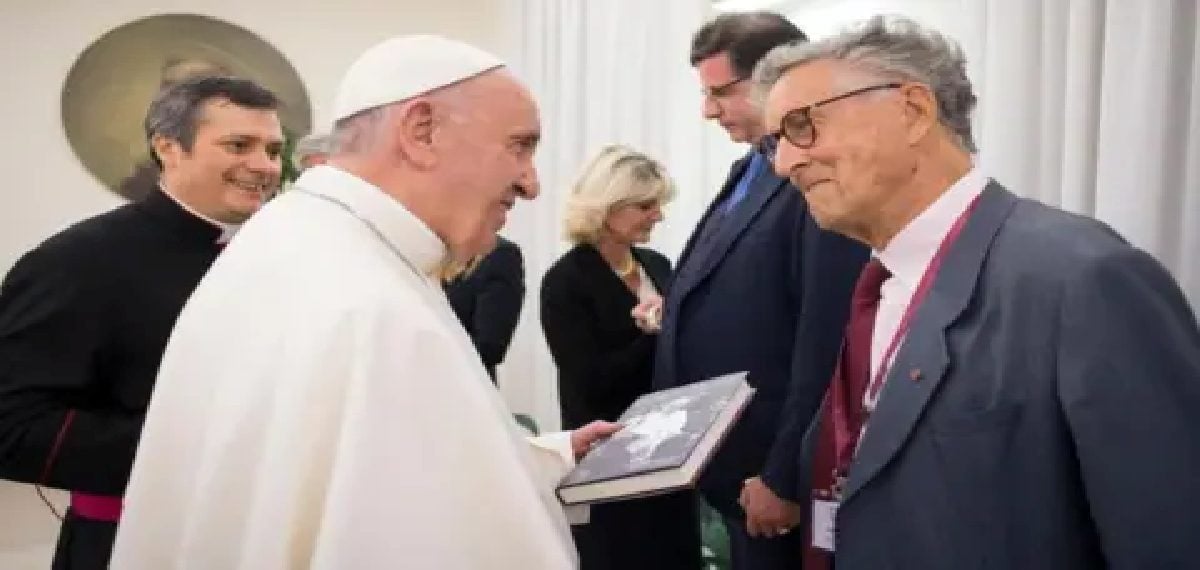
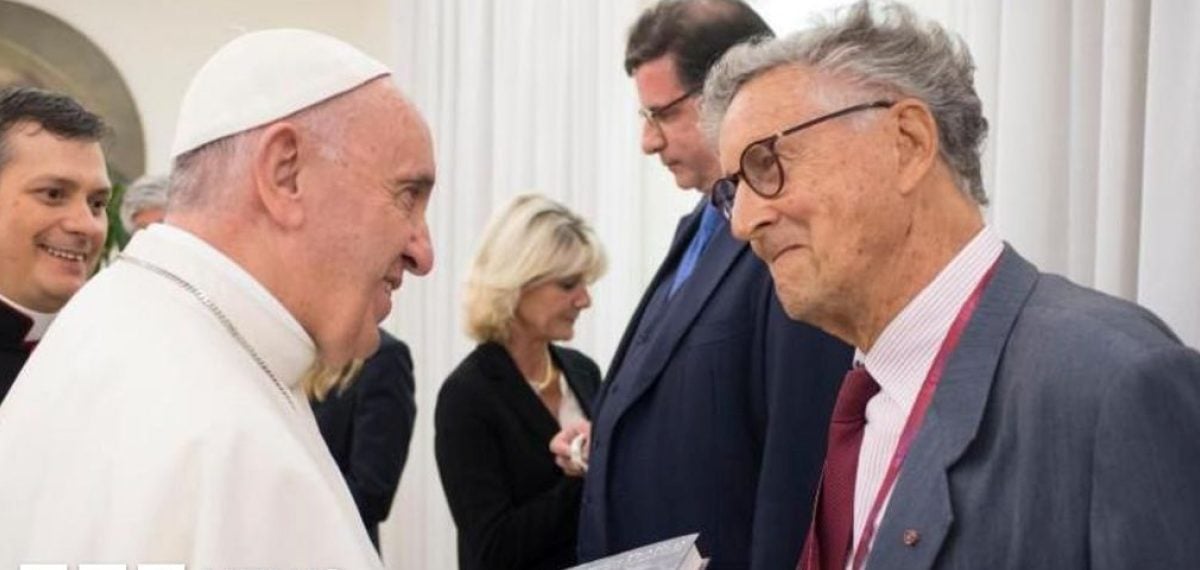
In Rome, Willey’s experience deepened into authority. He covered landmark moments such as the 1981 assassination attempt on John Paul II and maintained close journalistic engagement with successive popes. In 2016 he presented his book The promise of Francis: The man, the Pope, and the challenge of change to Pope Francis during a private audience.
Even into his nineties Willey remained active: after the death of Pope Francis he published a reflective piece on how the Vatican evolved under that pontificate, noting that his own career spanned eight papal reigns. Colleagues praised his insight and mentorship; Mark Lowen recalled Willey’s generosity and guidance when Lowen began reporting from Rome in 2019.
Willey’s death removes a rare institutional memory from Vatican reporting. For audiences and correspondents alike, his passing narrows the pool of journalists with personal experience across such a long sequence of papacies, potentially reducing the depth of contextual sourcing available to international newsrooms. For the Vatican beat itself, that expertise—built through relationships, historical recall and on-the-ground continuity—is harder to replace, increasing the importance of preserving archival reporting and mentoring new correspondents.
On a broader level, Willey’s trajectory reflects how foreign correspondence evolved in the late 20th century: from agency trainee reporting major treaties to long-form, beat-driven coverage in Rome. News organisations that value institutional knowledge may reassess how they retain and transmit specialist expertise amid faster, digital-first newsroom cycles.
Willey is survived by the legacy of his written work and decades of reporting that informed public understanding of the Vatican and its global influence.