28 Ekim 2026
parçalı bulutlu


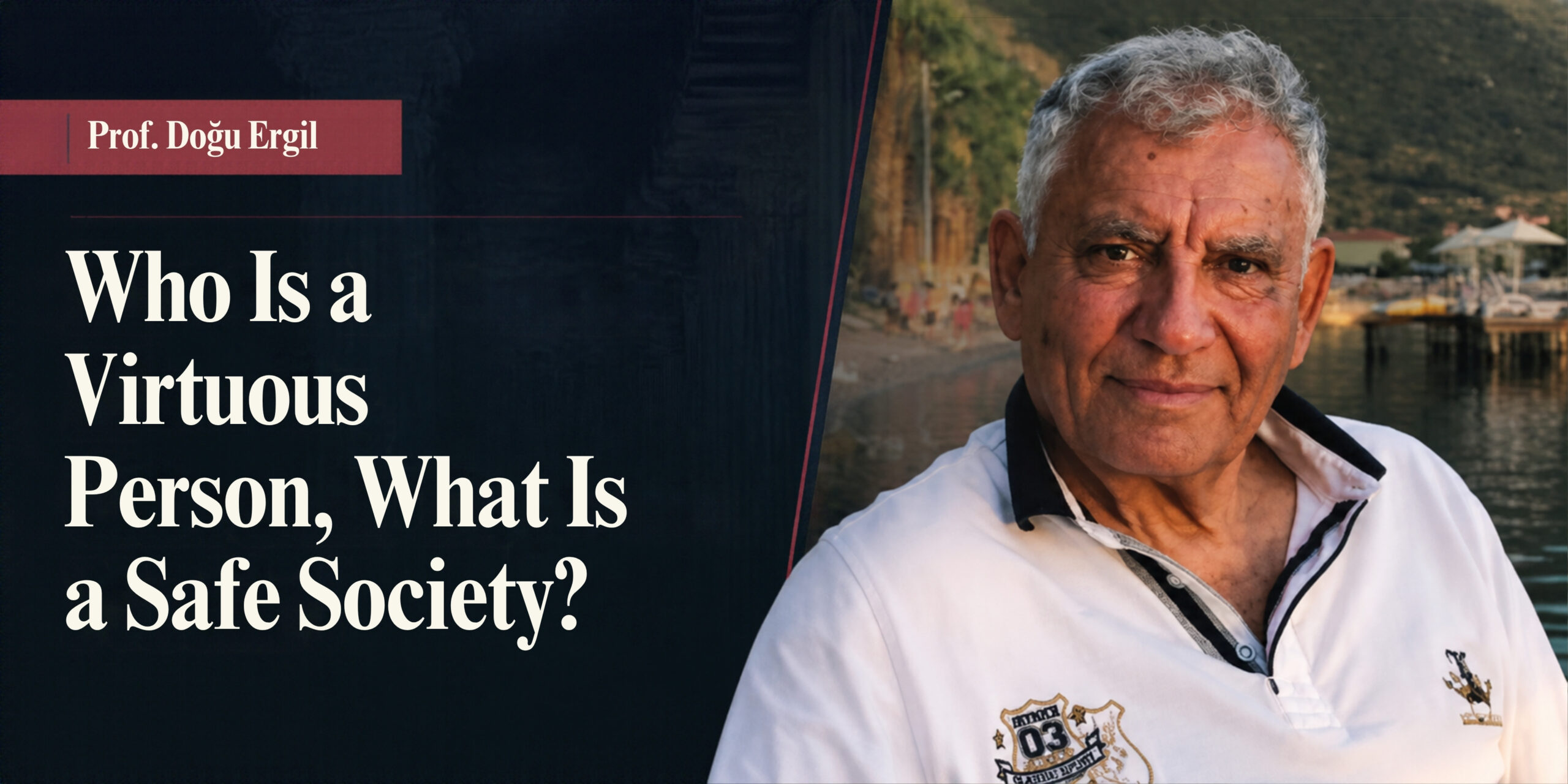
A virtuous person is not merely someone who knows what is right, but someone who chooses to do the right thing even when there is nothing to gain from it. A virtuous person remains honest when no one is watching, refuses to oppress others when holding power, and defends the rights of others with the same commitment to justice they expect for themselves.
Virtue is the practice of values such as honesty, justice, responsibility, empathy, moderation, and respect for differences.
However, I would like to emphasize an important distinction:
Being virtuous does not mean being obedient.
Obedience means doing what one is told. Virtue, by contrast, requires the ability to question whether an action is right or wrong.
History is full of tragedies caused by people who carried out unjust orders without questioning them. For this reason, virtue is not simply about refraining from wrongdoing; it is also about having the courage to oppose it when necessary.
A safe society is not merely one in which people are protected from physical attacks. It is a society where their rights, freedoms, livelihoods, and futures are secure.
It matters when a person can walk down the street at night without fear. But if that same person is afraid to express an opinion, cannot trust that justice will prevail in court, or worries about their child’s future, then that society cannot truly be considered safe.
Here, we encounter two different approaches to security: one that seeks to ensure safety by controlling people, and another that builds a social order in which people can trust one another.
Fear is the primary instrument of the first approach; trust is the foundation of the second.
Fear may impose order, but it cannot build a healthy society.
A safe society is not one in which everyone fears one another, but one in which everyone can trust that their rights will be respected.