19 Temmuz 2026
açık


Poland charges a Ukrainian teen in suspected Russian-backed attacks on war memorials; authorities probe motives and cross-border influence.
An 18-year-old Ukrainian, identified as Illia K under Polish privacy law, has been charged with 47 criminal acts allegedly carried out between November 2024 and August 2025 to foment tensions between Poland and Ukraine, prosecutors said. Authorities say the acts included desecration of multiple memorials and preparations to fly a drone near the Polish president’s vehicle during last year’s Armed Forces Day parade.
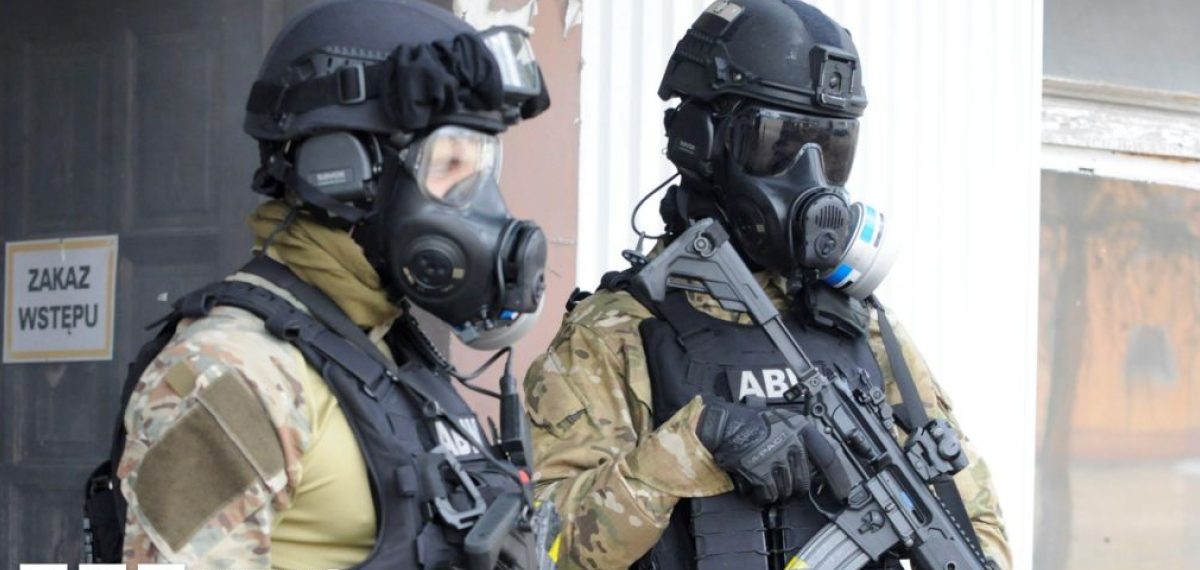
The Internal Security Agency (ABW) said the suspected campaign aimed to incite ethnic tensions and to discredit Poland internationally. Prosecutors allege the suspect acted largely for payment rather than ideology but that many actions were committed “for the benefit of foreign intelligence.”
Illia K was arrested three days before the August 15 parade in Warsaw after prosecutors say he prepared to fly a drone over the vehicle of Polish president Karol Nawrocki. If convicted, he faces life imprisonment.
Investigators say the suspect recruited accomplices and used cryptocurrencies registered in Russia and China to pay them. Tasks were reportedly assigned via a messaging service, with the accused sending photographic proof after completing assignments.
Prosecutors allege acts of vandalism included placing inscriptions and symbols glorifying the Ukrainian Insurgent Army (UPA) on the Monument to the Jewish Heroes of the Warsaw Ghetto and on Volhynia massacre memorials in Domostawa and Wrocław. The charges cover incidents from November 2024 until his arrest in August 2025.
The ABW also reported a surge in espionage probes, saying it launched 48 such investigations last year — more than double the number in 2024 — and warned that Russian services focused on exploiting historical Polish‑Ukrainian antagonisms.
The case highlights how historical grievances can be weaponized in contemporary information and influence operations. Attacks on memorials aim to inflame public sentiment and deepen mistrust between communities, a low-cost tactic with outsized political impact. For Poland and Ukraine, the episode complicates cooperation on security and refugee issues while strengthening domestic calls for tougher counterintelligence measures.
Economically, sustained tensions risk chilling bilateral trade and aid coordination at a time when both countries navigate post‑war reconstruction and regional security spending. For citizens, the affair underscores the growing role of digital payments and encrypted messaging in enabling cross-border disruptive campaigns.