20 Temmuz 2026
açık


Hungarian president resigns as a constitutional amendment shortens his term, triggering political uncertainty and commentary on democratic processes.
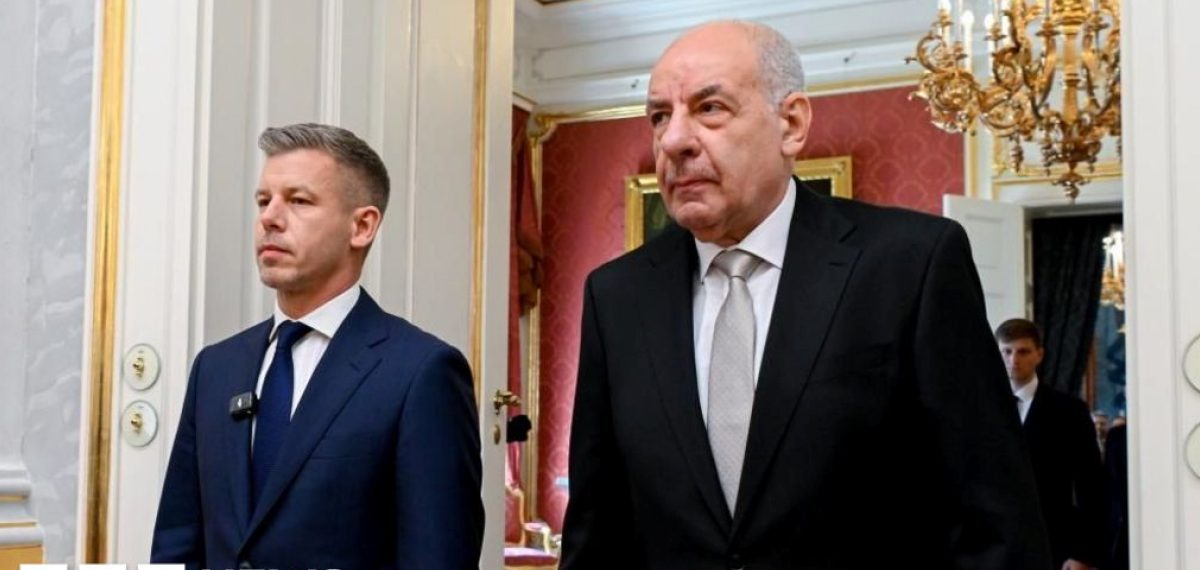
President Tamás Sulyok signed a constitutional amendment that ends his presidency at midnight on Sunday, after Prime Minister Péter Magyar’s Tisza party pushed the change through parliament using its majority. Sulyok had five days to sign or face impeachment and a prolonged constitutional standoff; he confirmed his acceptance as the deadline passed while accusing the government of undermining the rule of law.
The amendment removes not only Sulyok but also the head of the Constitutional Court, Péter Polt, and mandates the retirement of court judges over age 70. It further bars deputies who have served three parliamentary terms from running again — a rule that affects more than half of current Fidesz deputies.
Péter Magyar’s Tisza party enacted the amendment after winning a landslide in April, framing the move as a reset of institutions it viewed as aligned with the previous administration. Viktor Orbán, ousted after 16 years in power, denounced the amendment as tyranny and urged protests; he has largely stayed out of public view and declined to take his parliamentary seat since the election.
The legal changes represent one of the most consequential steps by the new government, accelerating a wave of constitutional reforms since April. Critics warn that removing senior judges and disqualifying long-serving deputies reshapes institutional checks on the executive, while supporters argue it restores balance after perceived politicization under the prior government.
The amendment shifts Hungary’s institutional landscape by removing senior figures and imposing term limits that immediately affect the parliamentary makeup. In the short term, the changes centralize appointments and unsettle judicial independence, which could increase political volatility and deter investor confidence. For citizens, the reform narrows pathways for experienced lawmakers to remain in office and raises questions about long-term separation of powers.
Economically, markets typically react to perceived rule-of-law erosion with higher risk premia; survey-based investor sentiment and foreign direct investment decisions may be sensitive to how quickly legal guarantees are reinstated or clarified. Politically, the excluded deputies and displaced judges could galvanize opposition mobilization or legal challenges, shaping Hungary’s domestic contestation in the months ahead.