
16 Temmuz 2026
açık


Parliament swiftly removes the president and constitutional head by a two-thirds vote, marking a decisive shift in national leadership and governance.
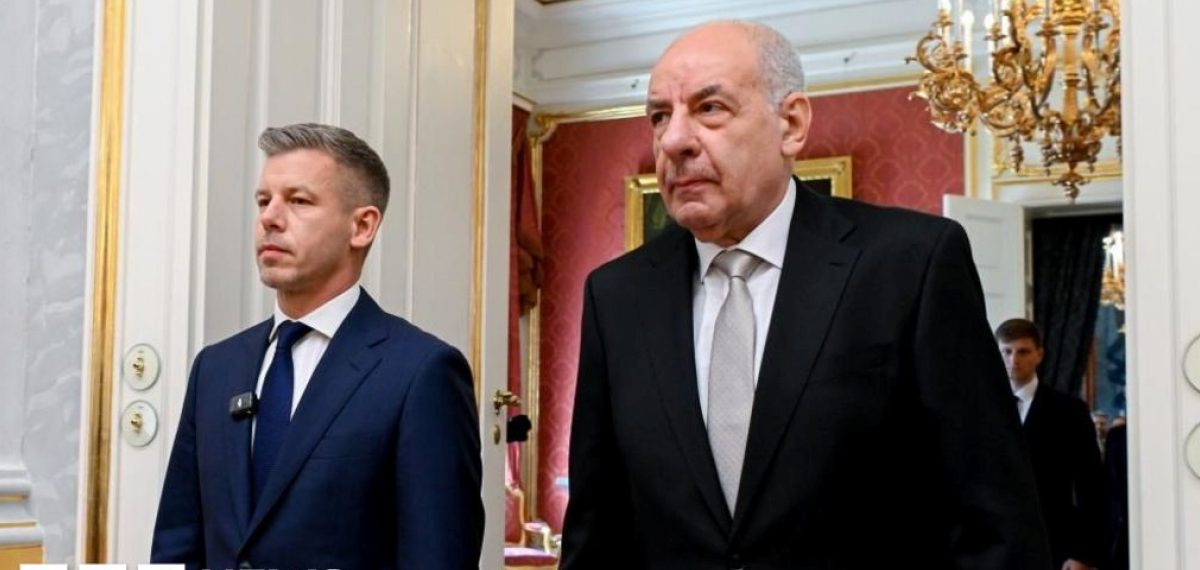
Parliament voted to remove President Tamás Sulyok on a sweeping constitutional amendment passed by Prime Minister Péter Magyar’s Tisza party, which used its two‑thirds majority to end Sulyok’s term and dismiss Constitutional Court head Péter Polt on the same day.
The decision came after the Tisza party pushed through the 17th amendment to the constitution, a package of measures designed to guide governance until a new constitution is drafted in two to three years. Sulyok has five days to sign the amendment or refer it to the Constitutional Court; a referral would trigger impeachment proceedings and automatic suspension if Magyar follows through.
Fidesz deputies walked out of the chamber before the vote, accusing the new majority of creating a tyranny and warning the amendment gives the government excessive power to dismiss public officials with immediate effect. The 141 Tisza deputies applauded as the result was announced.
The amendment also removes Constitutional Court judges over 70 and bars deputies who have served three terms from running again, a rule that affects more than half of current Fidesz MPs. Those limits prompted criticism that voters’ choices could be constrained.
Senior jurist András Baka supported removing Sulyok while cautioning that one clause limiting re‑election rights undermines electoral choice. He said Hungary’s state institutions were reshaped under Fidesz from 2010 to 2026 to entrench power, creating a resilient authoritarian design that is now being dismantled.
Viktor Orbán, whose Fidesz lost power in April after 16 years, has been largely absent from public life since the defeat and did not take his seat in parliament; he travelled abroad to watch the football World Cup final. Internal party tensions surfaced as Gergely Gulyás resigned as Fidesz parliamentary group leader on the day of the vote.
The parliamentary purge represents both a legal reset and a political gamble. In the short term, the new majority can rapidly replace key institutional actors and reshape the judiciary and administrative oversight, which may restore checks that were weakened under the previous government. For markets and investors, the abrupt institutional turnover raises political‑risk indicators and short‑term uncertainty, though the stated aim of a transitional legal package could stabilize expectations if followed by transparent rulemaking.
For civil liberties and governance, removing entrenched loyalists opens space for institutional reform but risks backlash if measures appear to weaponize power rather than depoliticize offices. How the government handles the impeachment threat, court referrals and the drafting of a new constitution will determine whether reforms strengthen the rule of law or simply reconfigure partisan control.