23 Ekim 2026
açık


President Macron restricts weekend protests and deploys extra police to maintain order and ensure public safety amid rising unrest.
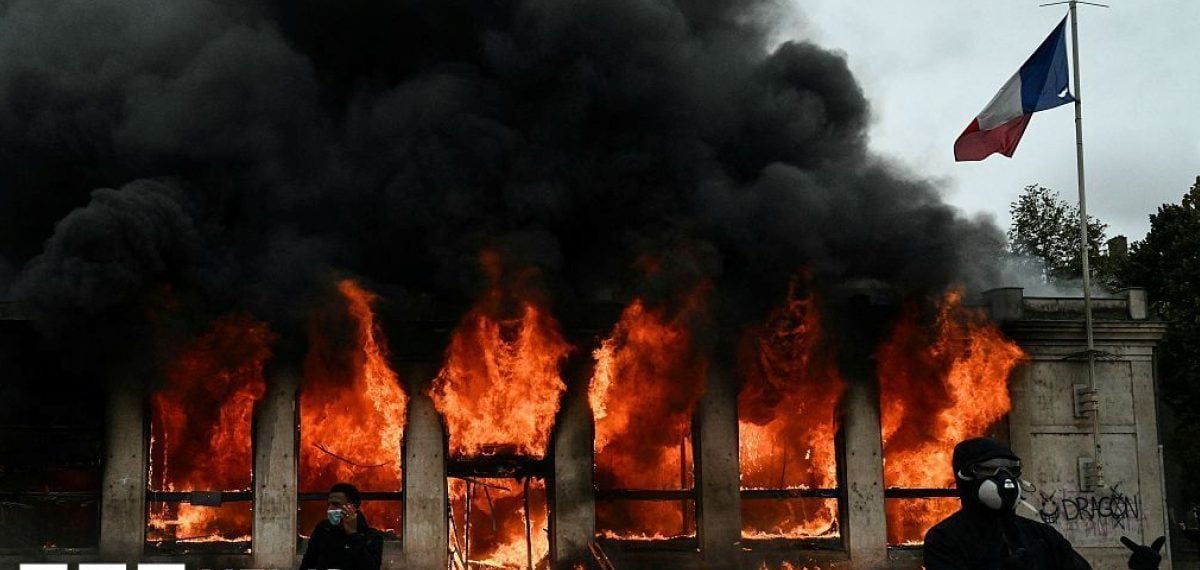
President Emmanuel Macron announced that only authorized union protests will be permitted in French towns and cities on Saturday after demonstrations across the country turned violent the previous weekend. He said that unions would be offered alternative routes by prefects so that businesses could be protected, while non-union demonstrations would be banned where possible.
Macron described some of the unrest as “illegitimate” and criticised what he called political and seditious acts organised by far-left groups that aim to destabilise the Republic. He met intelligence services and ministers to prepare for the national day of protests and said the government sought a return to calm.
Interior Minister Jean-Didier Berger said law enforcement presence would be 20% higher than it was the previous weekend following the government’s pledge of a massive police deployment. At least 2,500 people have been arrested across France since the disorder began.
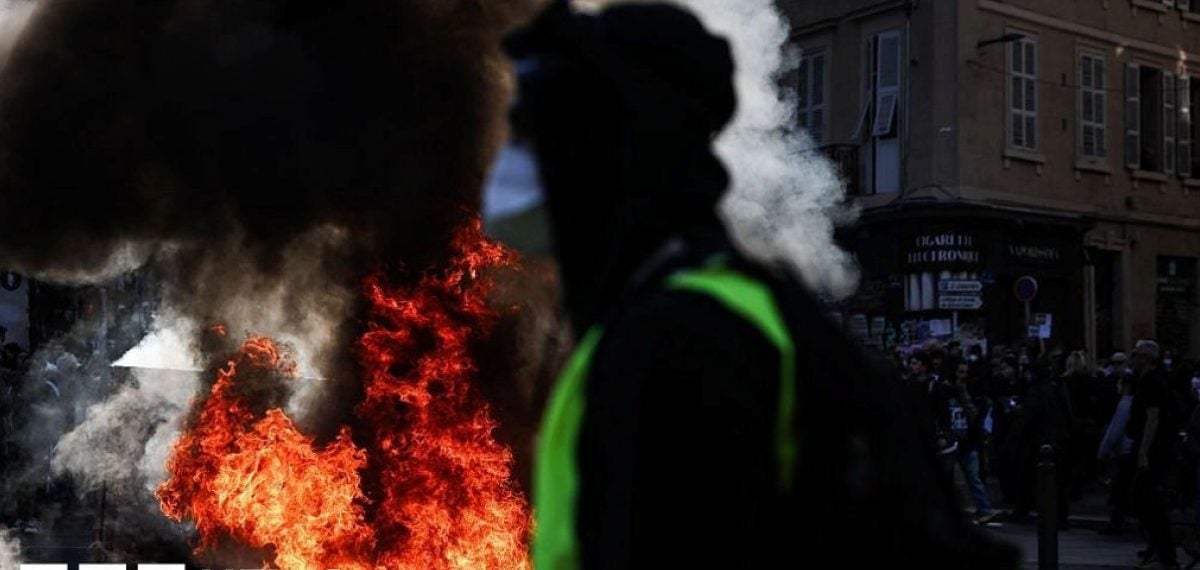
The gilets jaunes movement was behind many of last weekend’s protests and Paris authorities said several of their proposed marches had been banned. Regional authorities in Lyon imposed a blanket ban on demonstrations, citing the mobilisation and events of 17 October, and similar bans were announced in Toulon, Rouen and Grenoble.
Partial curfews restricting movement of young people and gatherings have been in place this week in cities including Marseille, Bordeaux, Nice, Lyon and Lille. Prime Minister Sébastien Lecornu promised a massive deployment of police officers to deal with potential unrest, while some officers told media they are not trained to deal with large crowds.
Around 550,000 people participated in demonstrations on 17 October to protest rising fuel prices and the cost of living, with marches largely peaceful and backed by unions, gilets jaunes and student groups but marred by violence, looting and destruction in some locations.
Incidents during the unrest included the burning of Lyon’s tourism office housed in a 19th-century building and a fire at Limoges city hall that caused parts of the roof and clock tower to collapse. A suspect was arrested on suspicion of attempted murder of police officers who were in the city hall when the fire started, and a second suspect was arrested later.
The Place de la République in Paris was vandalised as groups of rioters took over parts of the city. Following the unrest, Interior Minister Laurent Nuñez offered his resignation, which President Macron rejected and instead asked him to focus on improving street safety and bringing rioters to justice. Nuñez’s teams had forecast 200,000 demonstrators, a figure much lower than the reported 550,000.
The government’s decision to allow only authorised union routes while increasing police numbers signals an attempt to balance the right to protest with an emphasis on public order and protection of property. Bans in multiple cities and curfews reflect local authorities’ assessment of heightened risk following episodes of arson, looting and clashes that accompanied otherwise large peaceful demonstrations. Rejection of the interior minister’s resignation paired with a mandate to improve street safety underlines the administration’s focus on operational responses ahead of upcoming national events.