27 Ekim 2026
parçalı bulutlu


Sir Clive Alderton to retire as King’s principal private secretary in 2027, marking a significant transition within the royal household.
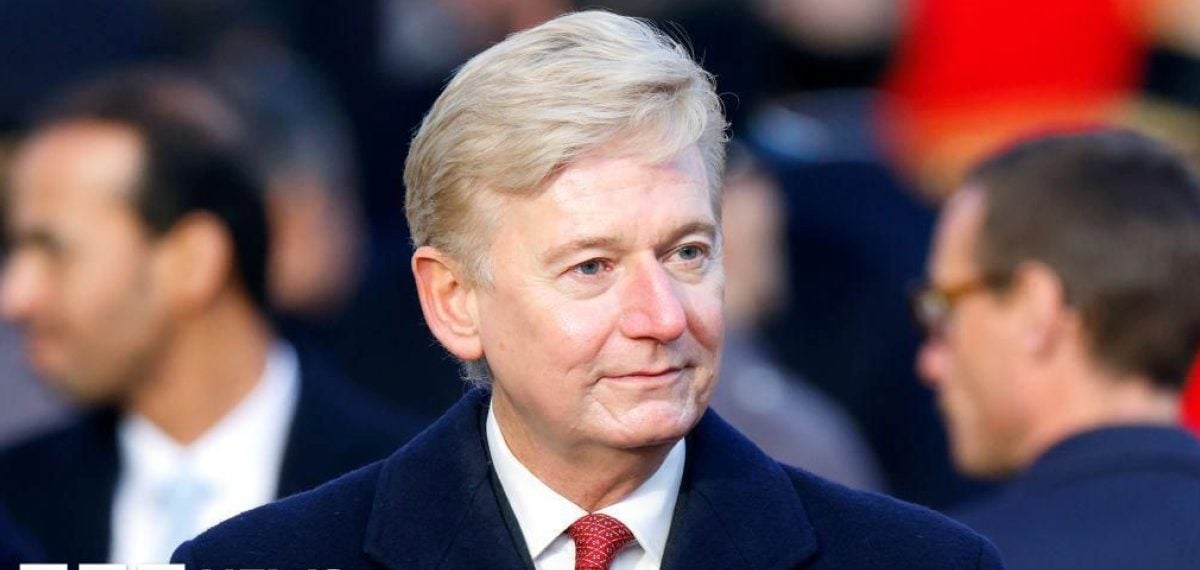
Sir Clive Alderton, the principal private secretary to King Charles, has announced he will leave the role on his 60th birthday in May 2027, and will remain to help with the handover to his successor, a Palace source said. The private secretary oversees the King and Queen’s official programme, advises on state events such as the Coronation and manages sensitive personal and institutional matters.
A Palace spokesman said the King and Queen were “deeply grateful to Sir Clive for his tireless support and wise counsel over the years, and for the enduring loyalty that will ensure a smooth transition to his successor”. Sir Clive, a former diplomat who joined the Royal Household 20 years ago, performed a role comparable to a permanent secretary in Whitehall, operating largely behind the scenes with significant influence and access.
Sir Clive was present at high-profile engagements, including formally welcoming Andy Burnham to Buckingham Palace when he arrived to become prime minister. He also accompanied the monarchs on numerous visits and state occasions and played a part in managing the royal household’s response to changes affecting senior members of the family.
Prince Harry’s memoir Spare referred to an influential courtier nicknamed “the Wasp”, widely associated with Sir Clive, in the context of discussions about the Duke and Duchess of Sussex’s decision to step back from royal duties and relocate to the United States.
On his tenure, Sir Clive said: “It has been the greatest imaginable honour to serve the King and Queen in my present role through such historic times and with unforgettable humour along the way.” The outgoing principal private secretary had an annual pay package of £300,000 to £305,000, according to the Palace disclosure.
Sir Clive’s planned departure confirms a scheduled leadership change in the royal household’s senior administrative post, with the Palace emphasizing a managed handover. His two-decade service and responsibilities for organising official engagements and advising the monarchs underline the role’s institutional importance. References in public accounts, including Prince Harry’s memoir, have linked the post to sensitive personnel matters and high-level decision-making.