25 Ekim 2026
parçalı bulutlu


France faces renewed mass protests as authorities tighten restrictions; coverage on impacts, responses, and unfolding security measures.
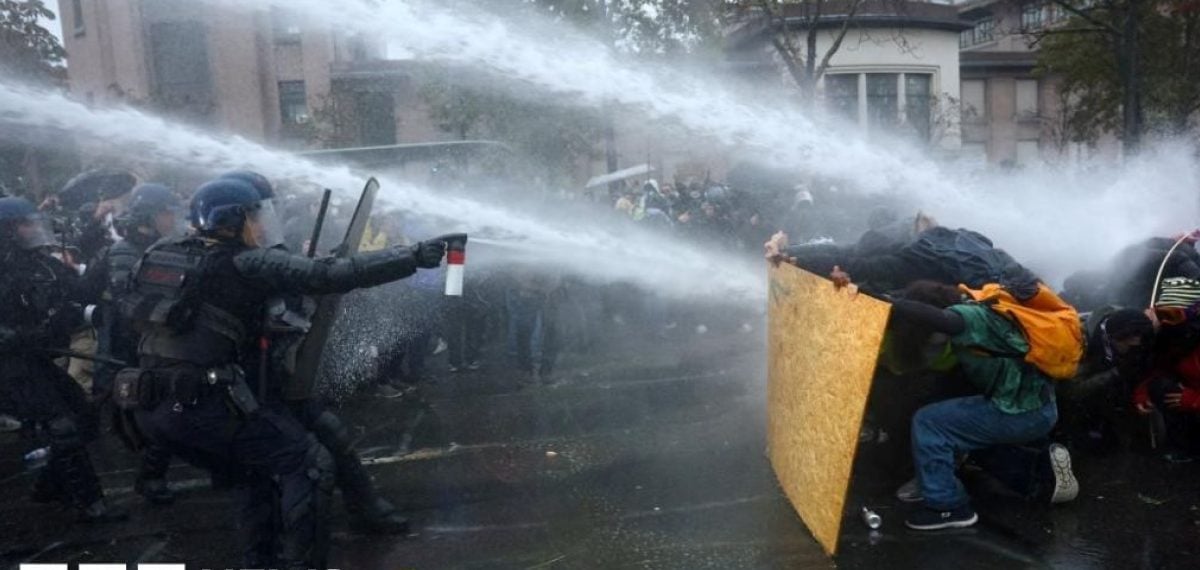
France is on high alert ahead of a new day of nationwide protests on Saturday, a week after the country saw some of its worst unrest in decades. Authorities have imposed sweeping restrictions on demonstrations while hundreds of thousands of protesters are still expected to gather in Paris and other cities.
The interior ministry said it would deploy 70,000 police officers to ramp up security in French cities after opposition parties accused the government of failing to foresee the scale of unrest on 17 October. Interior Minister Laurent Nuñez warned authorities would be “uncompromising with the vandals, with the looters, and all those who commit acts of violence,” and noted calls for violence had been seen on social media from what he described as the “far left and radical extreme left”.
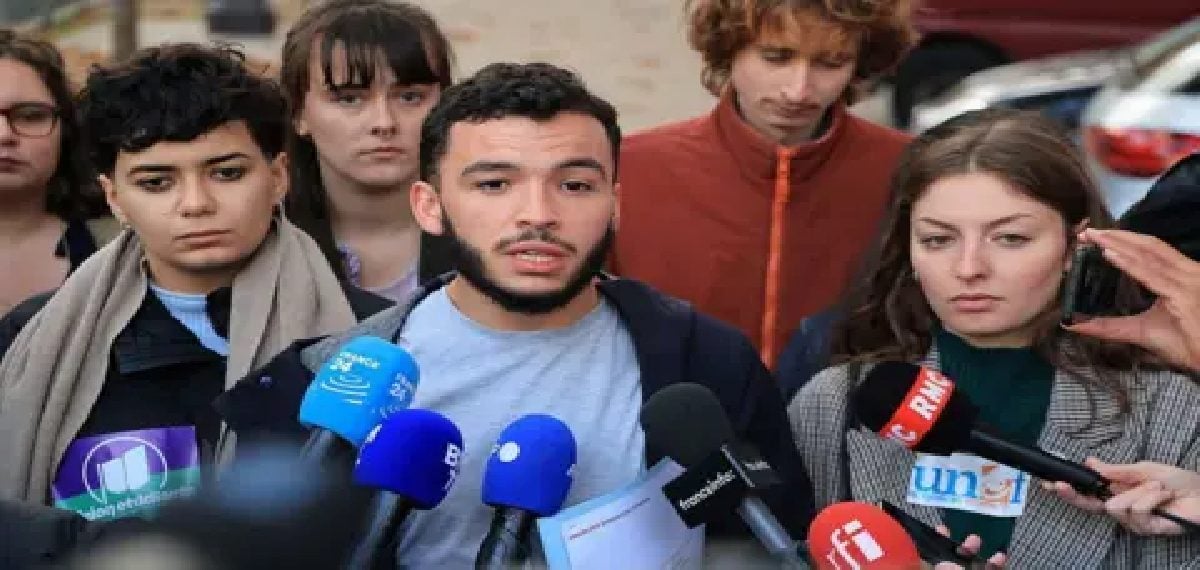
Hundreds of people have been jailed for vandalism, arson and looting following fast-track court hearings. President Emmanuel Macron met high-school students’ representatives on Friday ahead of Saturday’s protests; students said Macron had made clear commitments but urged continued mobilisation.
Macron decreed that only demonstrations organised by recognised trade unions would be permitted on Saturday. Several cities, including Lyon, Nice and Montpellier, announced blanket bans on gatherings, yet organisers planned hundreds of large and small demonstrations across France. Some mayors allowed registered demonstrations while others maintained broad bans, creating an inconsistent national picture.
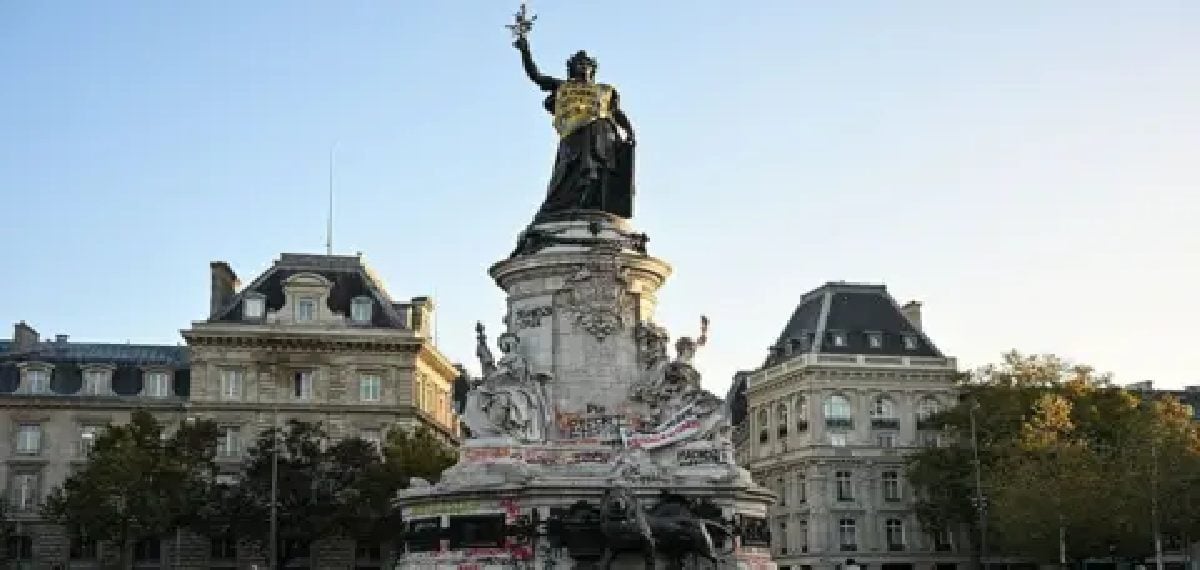
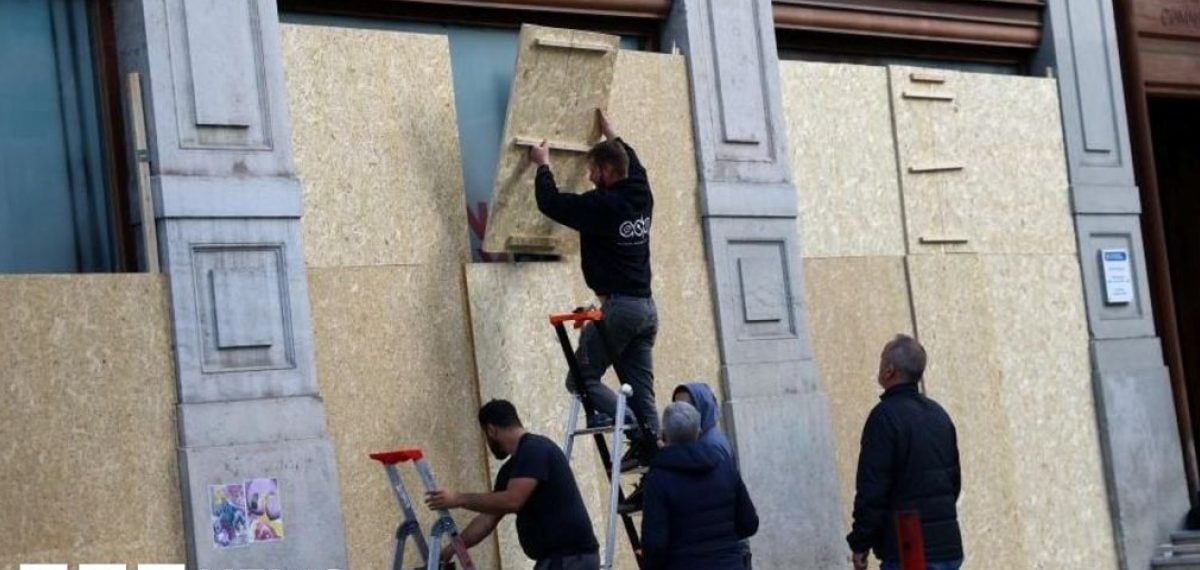
In Paris a march organised by the student trade union and supported by labour groups was ordered to follow a route outside the city centre, while preparations for unrest in recognisable central areas continued. Cultural institutions including the Louvre, Orsay and Picasso museums announced closures for Saturday, a PSG home match was moved to Monday, and some businesses boarded up windows in anticipation of looting.
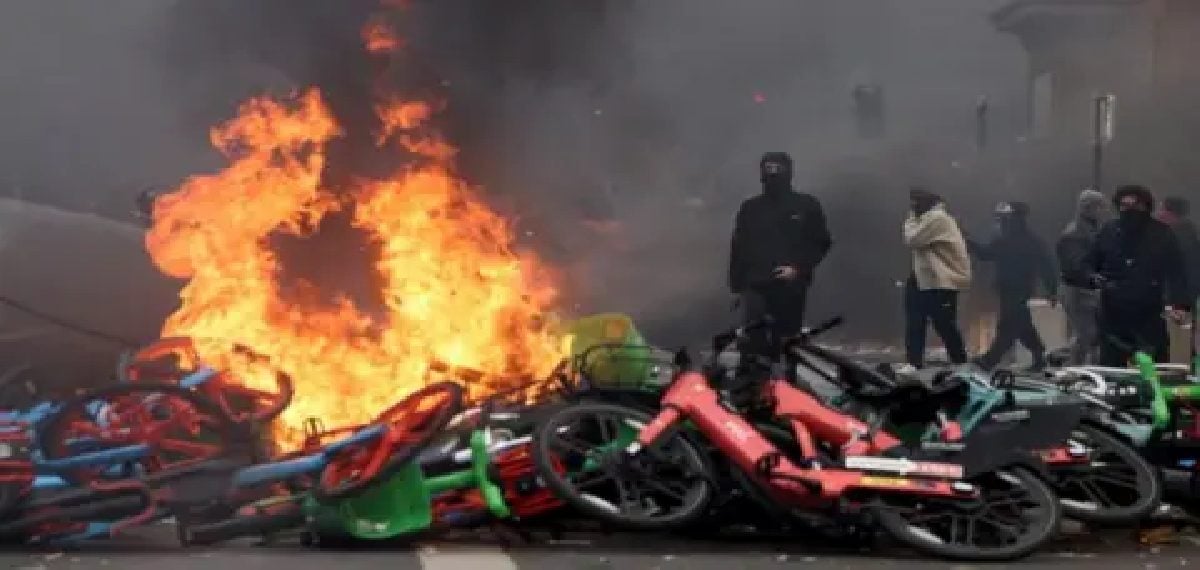
What began as largely peaceful student and union demonstrations last Saturday devolved into rioting and looting in parts of Paris. The revived gilet jaunes movement appeared poised to participate again, with an affiliated website listing more than 500 planned demonstrations and about 200 other actions on Saturday and demanding Macron’s resignation.
Justice Minister Gérald Darmanin said 232 people had been imprisoned for their role in the 17 October riots and more than 1,100 had appeared in court, with around 260 cases involving “charges of organised gang activity.” Darmanin ordered prosecutors to seek punitive measures against those convicted of looting or attacking police, including banning them from demonstrations, removing voting rights and restricting social media access.
The unrest has compounded public disillusionment amid rising cost-of-living pressures and concerns over future spending cuts to address spiralling debt. France is preparing for a divisive election period as Emmanuel Macron will leave office next spring and polls suggest his centrist movement may struggle to reach a runoff, potentially leaving voters to choose between the hard-right National Rally and radical-left La France Insoumise.
Leaders from both the hard-right and radical left blamed Macron and his ministers for the disorder. Jean-Luc Mélenchon, leader and presidential candidate of La France Insoumise, criticised what he framed as heavy-handed policing and accused Macron of “destroying the republican state” by imposing restrictions, while calling on supporters to join Saturday’s protests though condemning subsequent rioting.
A two-day National Rally conference in Orléans could prove a flashpoint as left-wing groups planned to descend on the city where thousands of hard-right members were to gather to hear Marine Le Pen speak. The city’s mayor warned that expected numbers were “unprecedented” and said thousands of police would be deployed and public transport suspended.
The government’s imposition of sweeping restrictions and the large police deployment signal an attempt to restore control after security forces were outnumbered during the 17 October unrest. The overlap of student-led protests, union marches and involvement from the gilet jaunes movement demonstrates a broad coalition of discontent that transcends traditional political divisions. The justice ministry’s punitive measures reflect a strategy to deter future violence but may further politicise judicial responses amid an already polarised election environment.