25 Ekim 2026
parçalı az bulutlu


France bond yields climb past 5% ahead of a critical ECB meeting, raising market concerns over inflation, rates and eurozone stability.
The European Central Bank is widely expected to keep interest rates unchanged at its meeting next Thursday as rising government bond yields are increasingly pushing up borrowing costs across the eurozone. France’s 10-year government bond yield traded above 5% on Friday after first reaching that level on Wednesday since 2002, while the spread with German 10-year bonds exceeded 170 basis points.
France’s 30-year yield stood at 5.5% with an even wider gap of 184 basis points to German equivalents. The cost of France’s five-year credit default swaps rose above 100 basis points on Thursday for the first time since October 2012, mirroring tensions seen during the eurozone sovereign debt crisis.
French lawmakers remain divided over next year’s budget, which includes €43 billion in spending cuts and additional revenue measures that currently lack a parliamentary majority. Ratings agency Moody’s, which assigns France an Aa3 rating with a negative outlook, is scheduled to deliver its verdict on Friday evening and a one-notch downgrade to A1 is widely expected.
Civil unrest is compounding investor concern. Paris police prefect Patrice Faure advised business owners in a letter to hire private security as more protests are expected this weekend. French trade unions, dissatisfied after meeting Prime Minister Sébastien Lecornu, have called for a large mobilisation on 5 November with Sophie Binet, head of the CGT, urging workers to “generalise the strike”.
The ECB has raised rates twice this year, lifting its deposit rate to 2.5%, while eurozone inflation rose to 3.8% in September driven by energy prices. Analysts note that rising German yields since September have an effect on growth and inflation comparable to a 25 basis point ECB hike, with France feeling the impact closer to 50 basis points, leading some to say the bond market has effectively taken over the ECB’s job.
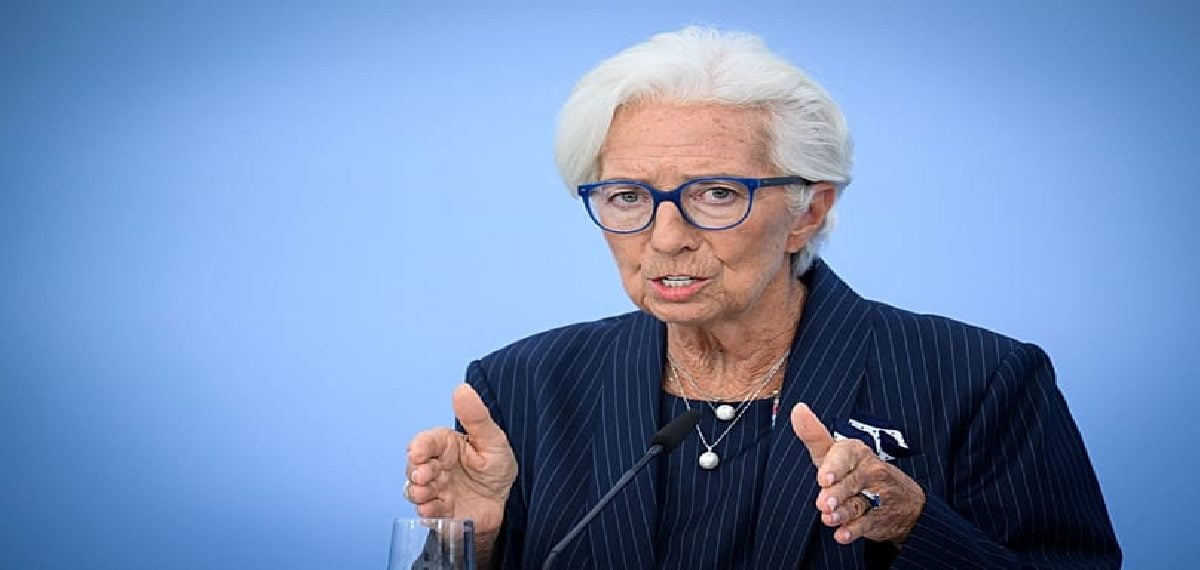
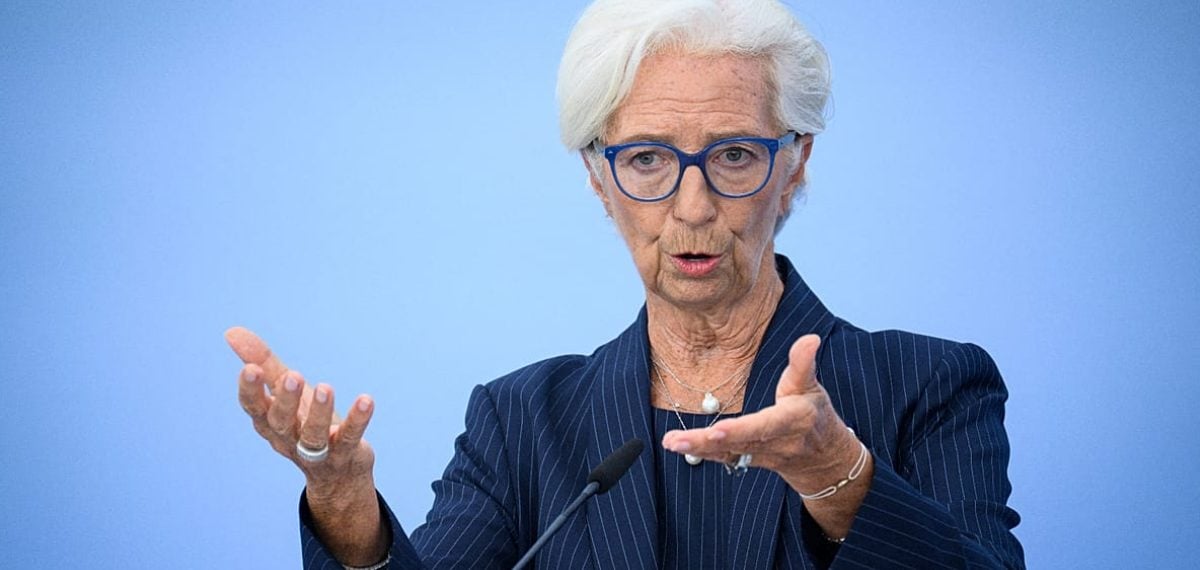
ECB officials, including President Christine Lagarde, have downplayed immediate intervention to lower France’s borrowing costs but have not ruled out action. Lagarde said the primary solution lies with French fiscal policy, and Banque de France governor Emmanuel Moulin stated last Friday that the conditions for ECB intervention were not met at that time because there was no financial fragmentation in the eurozone.
If the ECB were to intervene, one possible tool is the Transmission Protection Instrument (TPI), created in 2022 and never used, which allows bond purchases for countries whose borrowing costs rise in a manner judged unjustified by fundamentals. Eligibility requires meeting criteria such as following EU fiscal rules and maintaining a sustainable debt path; France’s debt-to-GDP ratio stands at 119.1% and current budget talks offer little prospect of a quick deficit reduction.
Another ECB tool, Outright Monetary Transactions, permits unlimited purchases of short-term bonds but is conditional on a government signing up to a rescue programme with the European Stability Mechanism. Some analysts expect the ECB to pause the reduction of its bond holdings and reinvest maturing debt flexibly rather than deploy emergency measures, reserving TPI as a last resort should turmoil spread to other eurozone bond markets.
Rising French borrowing costs are increasing pressure on monetary policy transmission across the eurozone and complicating the ECB’s policy choices. The combination of elevated yields, widening spreads to German bonds and persistent budgetary uncertainty in France undermines investor confidence and raises the risk of a sovereign rating downgrade. ECB officials face a difficult trade-off between avoiding premature intervention that could be seen as monetary financing and preventing market fragmentation that would impede policy transmission. Market-driven tightening of financial conditions is already producing effects similar to further ECB rate hikes, which may prompt the central bank to wait for updated staff forecasts in December before altering policy stance.