22 Temmuz 2026
açık


Kielland disaster families reunite in UK as compensation talks continue, seeking justice and closure amid ongoing negotiations.

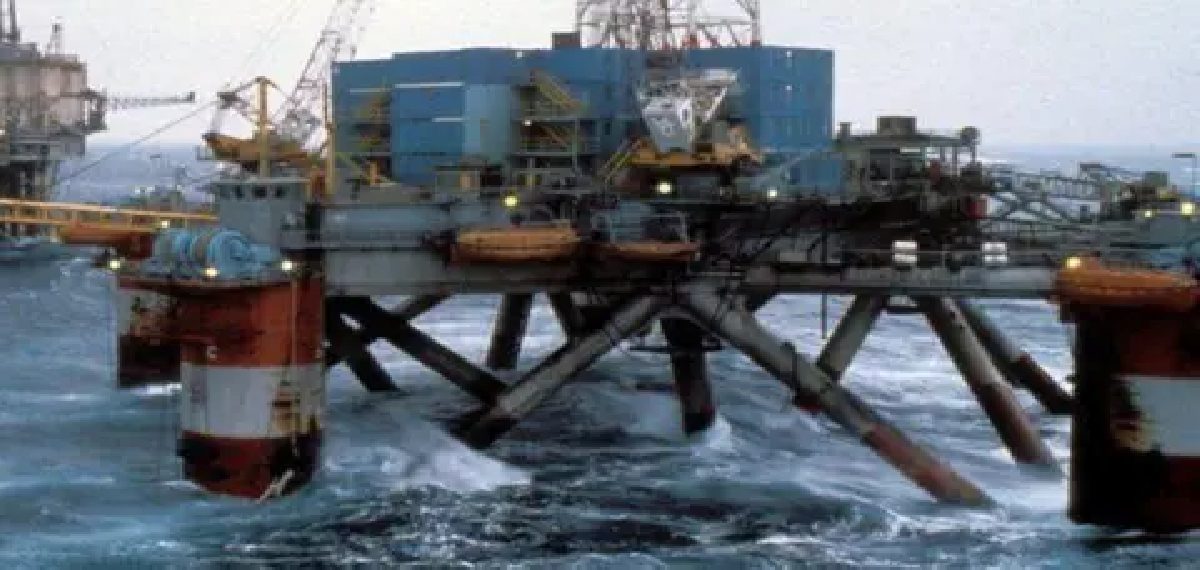
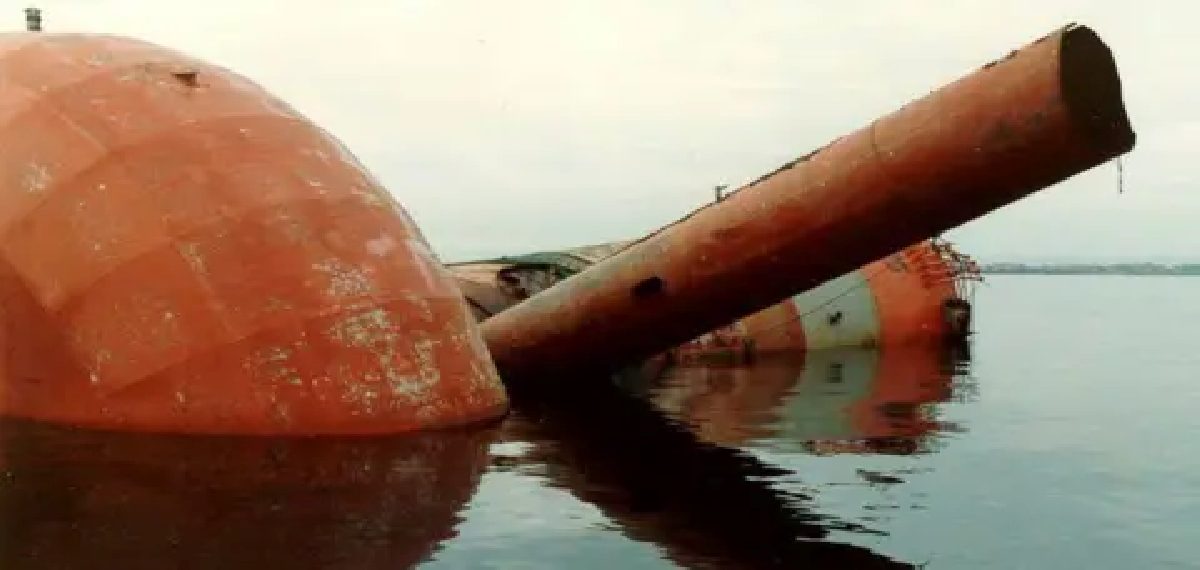
British relatives of men killed when the Alexander Kielland accommodation platform capsized in March 1980 met in northeast England to share memories and seek mutual support as Norway finalises a compensation scheme.
The gathering brought together 11 people from seven families, including widows, children and survivors, many meeting others affected by the tragedy for the first time in more than 46 years. The platform capsized after one of its five legs broke off, and 123 men died in the Norwegian oil field, among them 22 British nationals.
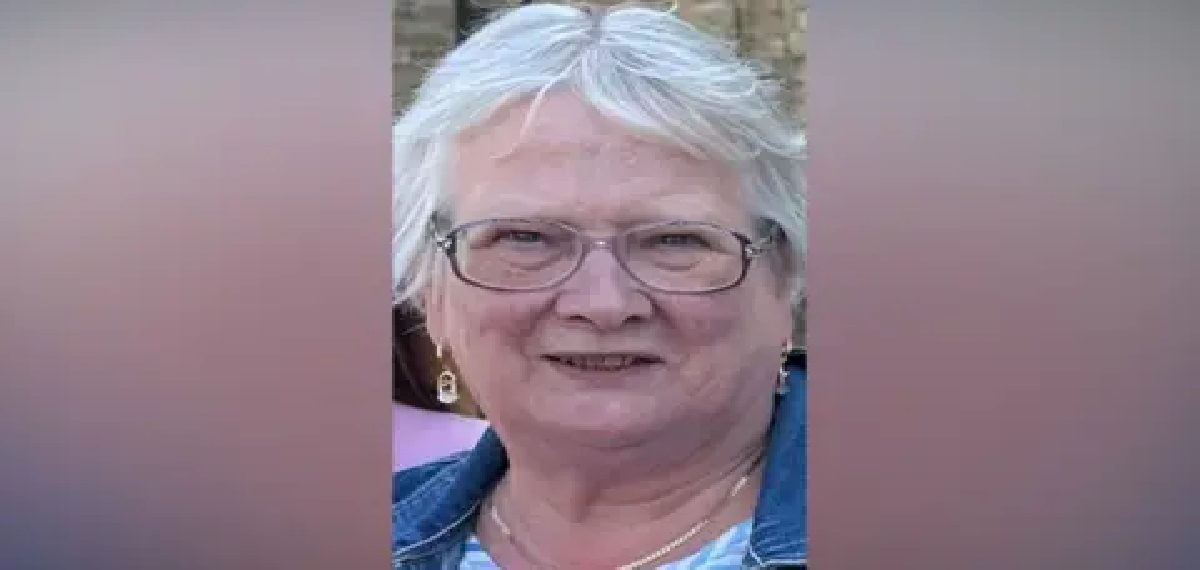
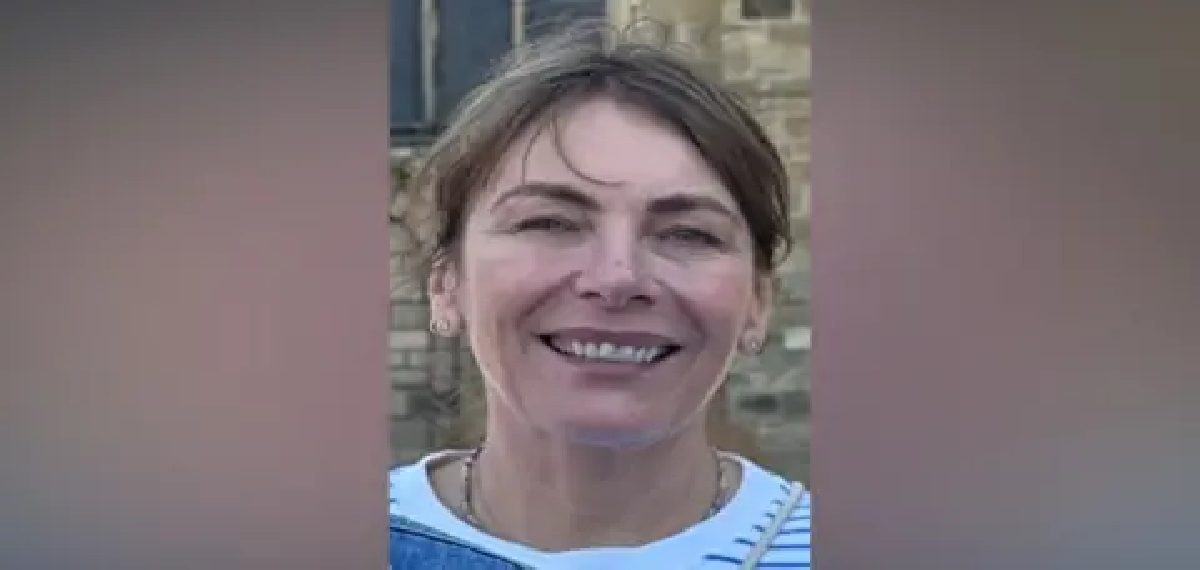
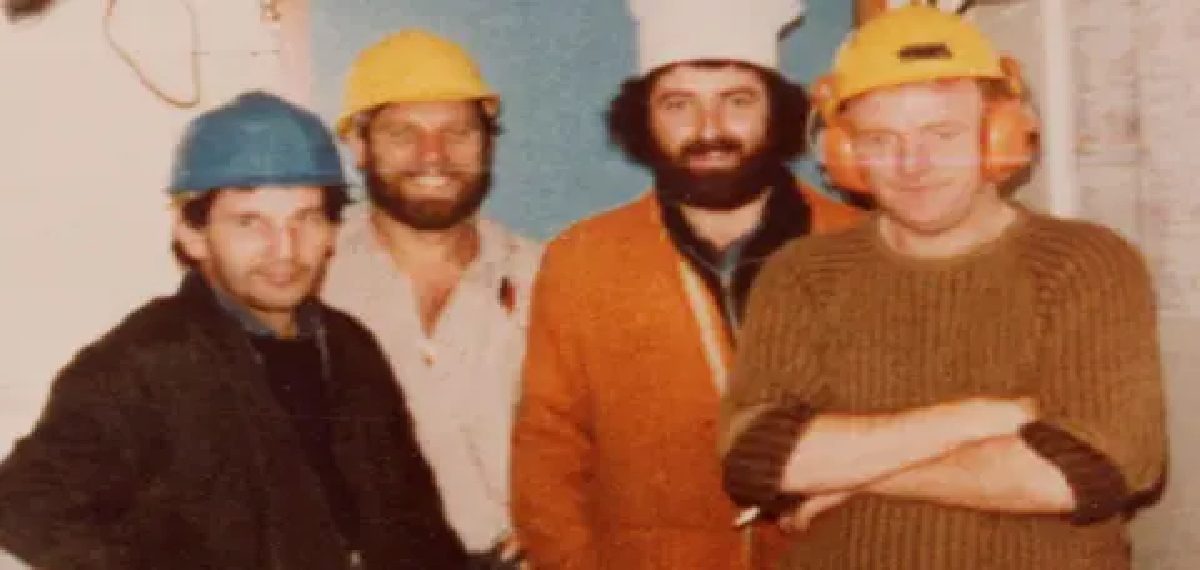
Organizer Laura Fleming, whose father Michael was among those killed on 27 March 1980, said she had been contacting British families to join the Kielland Network for survivors and the bereaved. Some relatives had not known the network existed and discovered only recently that others had shared long waits for news or recovery of remains.
Attendees described the emotional impact of long-term uncertainty: one widow learned her husband’s body was returned three and a half years after the disaster, while others still have not had remains recovered. Participants highlighted ongoing questions about the sequence of failures that led to the high death toll.
The meeting allowed affected British families to exchange firsthand accounts and piece together aspects of the night of the disaster based on their experiences. It also underscored continuing concerns about the pace and scope of the Norwegian government’s compensation process, which was approved by the Storting by 53 votes to 51 and remains subject to further detailing by the Ministry of Energy.
Families said the network’s outreach revealed previously unknown shared experiences, such as delayed body recoveries and limited information after the accident, contributing to prolonged grief and unresolved questions.
The National Audit Office of Norway reported that the authorities did not bear primary responsibility for the accident but identified serious shortcomings in how responsibilities were fulfilled in its aftermath, which affected the health and quality of life of those affected.
Relatives at the meetup described practical and emotional strains: widows balancing grief while raising children, children who could not speak about lost parents for years, and survivors and families seeking truth and recognition of their losses.