31 Ekim 2026
parçalı bulutlu


Kherson sees a brief ceasefire as residents tentatively resume daily routines, assessing damage and seeking normalcy amid ongoing uncertainty.
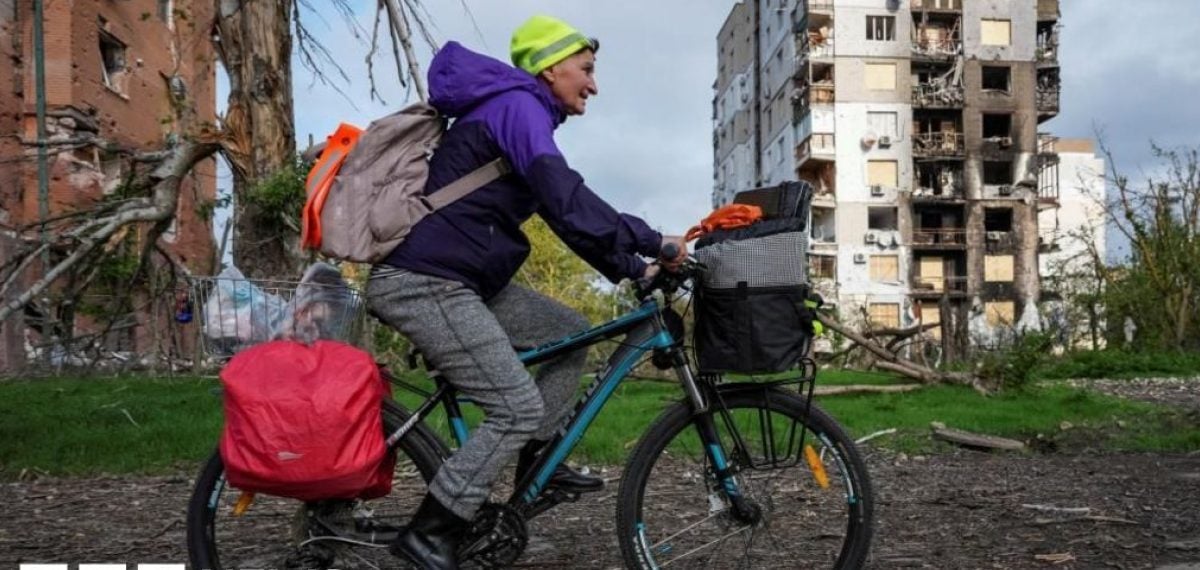
A temporary US-brokered ceasefire has brought the first two days of relative silence to Kherson, allowing residents to walk the streets, visit shops and briefly reclaim parts of the city that had been abandoned due to drone and artillery attacks.
Videos on social media showed people strolling under anti-drone nets and gathering in squares, while local voices expressed relief and cautious optimism. Olga, speaking from Kherson, described an overjoyed mood as the usual fear subsided and families went out to cafes and shops.
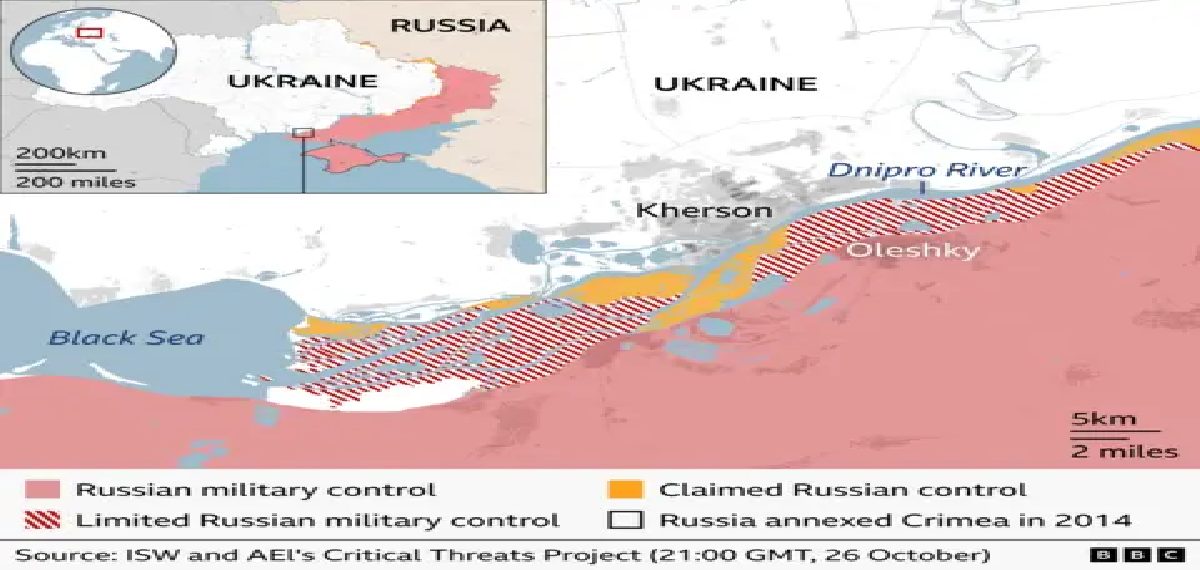
The pause in hostilities is linked to a US-mediated effort to secure safe passage for civilians from Oleshky across the Dnipro river, with Russian forces clearing mines on evacuation routes. The truce is scheduled to end on Sunday after the planned evacuation of Oleshky’s civilians.
Concerns were raised by local sources that Russian forces may be using the lull to reinforce positions, bring in military supplies and reposition units, potentially leaving them stronger once operations resume. Petro Andriushchenko reported accounts of military buildup around Radensk, about 20 km from Oleshky.
No violations were reported since Tuesday, and residents described disbelief at the calm after years of intermittent ceasefires that were often not respected. Dima said people were finally able to shop, drink coffee and move more freely.
Dozens of residents accessed their homes in the so-called red zone for the first time in years, retrieving belongings or confronting destruction and looting. Volunteer Denisa Bohackova described scenes of people entering areas long avoided due to the risk of drone and artillery attacks, noting widespread damage and ruined buildings.
Personal stories highlighted the human cost of the conflict. Angela Dobrovolska returned to Kherson to visit her husband Serhiy’s grave after he was killed by a grenade dropped from a piloted Russian drone two years earlier. The population of Kherson has fallen from over 250,000 to about 65,000 since the start of the full-scale invasion.
Residents emphasized how daily life has continued under battlefield conditions, with many services moved underground and families adapting to blackouts, mines and drone strikes. For a brief period however, normal routines returned: traffic, busy shops and people traveling to visit relatives.
With the evacuation of Oleshky due to conclude by Sunday, locals expressed concern that strikes will resume and may increase once the ceasefire ends, possibly making the situation worse if opposing units are strengthened during the lull.
The temporary quiet in Kherson illustrates both the relief that even brief pauses in hostilities can bring to civilians and the strategic risks such pauses entail. While residents seized the opportunity to reclaim daily life and retrieve possessions, local accounts and analysts warn that a ceasefire used to reinforce military positions can produce a more dangerous tactical environment once fighting resumes. The situation thus reflects a fragile respite that may offer humanitarian benefits in the short term while carrying the potential for intensified conflict afterward.