31 Ekim 2026
parçalı bulutlu


Joseph Kabila named rebel leader as alliance mobilizes to challenge President Tshisekedi, escalating political stakes in the Democratic Republic of Congo.
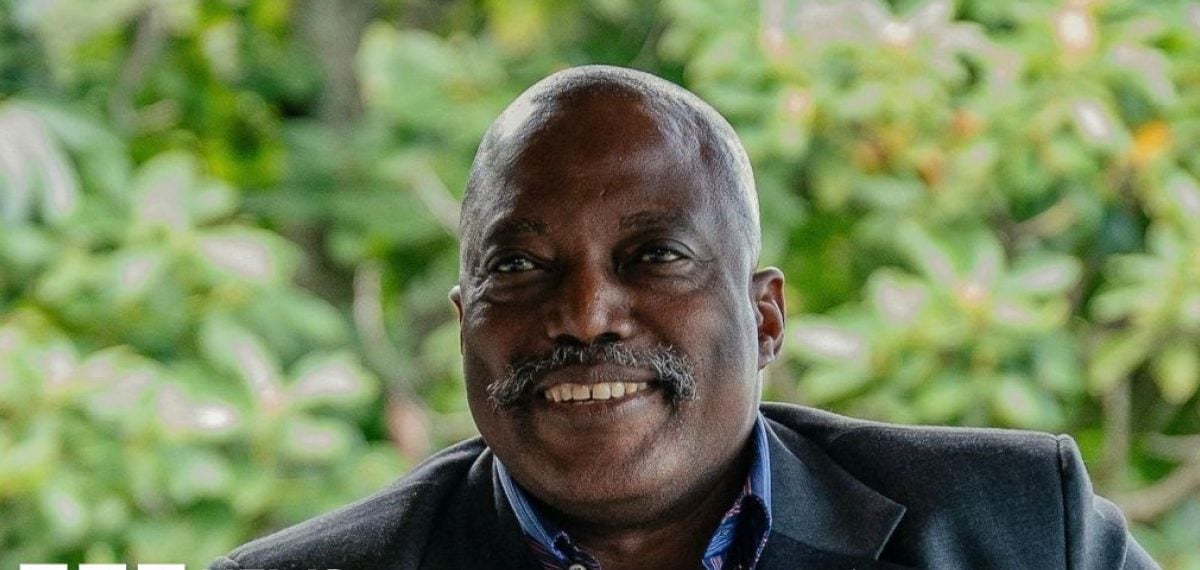
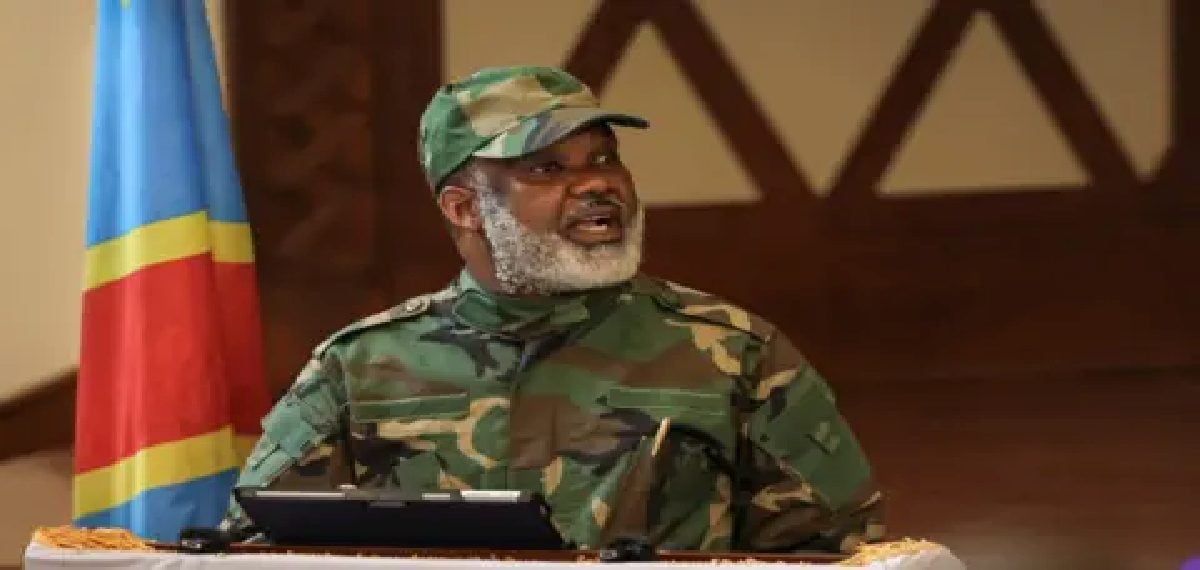
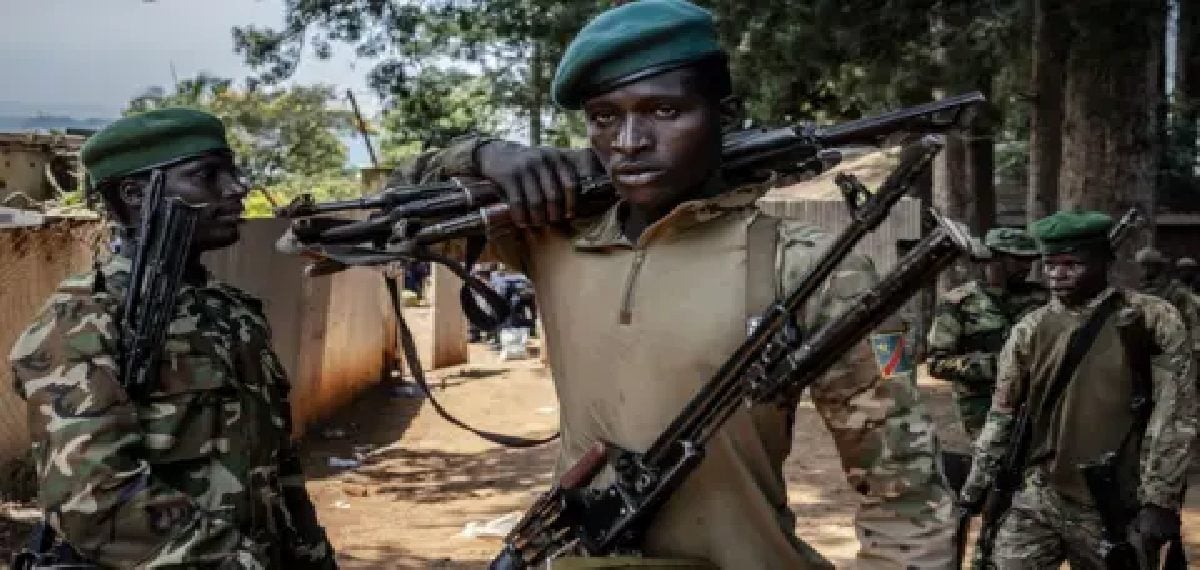
Joseph Kabila was announced as leader of the Front for the Refoundation of the Nation (FRN) earlier this month, in a development that links the former president to the M23 rebels who seized large parts of eastern DR Congo last year. The move has intensified political tensions in the Democratic Republic of Congo and raised questions about the potential reach and aims of the new alliance.
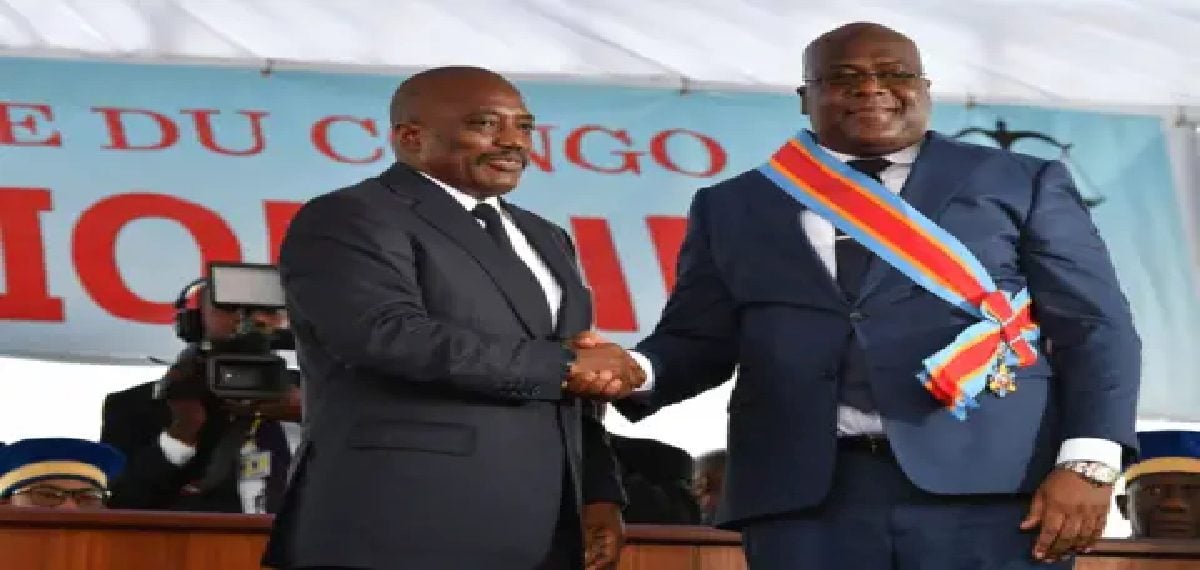
Kabila, 55, who succeeded his father after the latter’s assassination in 2001 and led the country for 18 years, appears to be seeking a route back to influence after stepping down and later going into self-imposed exile in South Africa. His appointment as FRN leader follows a period in which he and Félix Tshisekedi had been political rivals after an earlier power-sharing arrangement unraveled in December 2020.
The alliance with M23 offers the rebellion the experience and networks of a former head of state, while giving Kabila possible leverage in challenging President Félix Tshisekedi. Observers cited in the source material noted Kabila faced limited options for regaining influence amid legal and sanction pressures, and that the M23’s military strength might provide negotiation leverage.
Kabila has been sentenced to death in absentia by a military court on charges including treason and financing violence in eastern Congo, a verdict he rejected. He has also been subject to US sanctions linked to alleged support for M23. His return to DR Congo in 2025 included an appearance in rebel-held Goma.
The M23’s territorial gains have been concentrated in the eastern provinces, including the capture of key regional cities such as Goma and Bukavu. Analysts noted that while Kabila’s political networks could broaden the rebellion’s reach, that does not necessarily indicate capacity to extend a military campaign across the country, and the distance from eastern gains to the capital Kinshasa remains substantial.
Kabila framed his opposition to Tshisekedi as a defence of the constitution, invoking Section 64 which calls on citizens to resist anyone who seizes or exercises power in violation of constitutional provisions. He accused the government of using the death penalty to intimidate civilians and opponents, calling the conflict personal.
Not all opposition groups have backed Kabila’s move. The C64 coalition this week refused to endorse the rebellion and said Congo’s security crises cannot be resolved by military means alone, announcing plans to seek talks with both Tshisekedi and Kabila for an inclusive national dialogue.
President Félix Tshisekedi responded strongly to Kabila’s appointment as FRN leader, saying it proved Kabila had not loved the country. Analysts cited advantages held by Tshisekedi, including international backing and control over political and military systems, while noting lingering questions about the origins and legitimacy of Tshisekedi’s 2018 election victory and the earlier deal that enabled his succession.
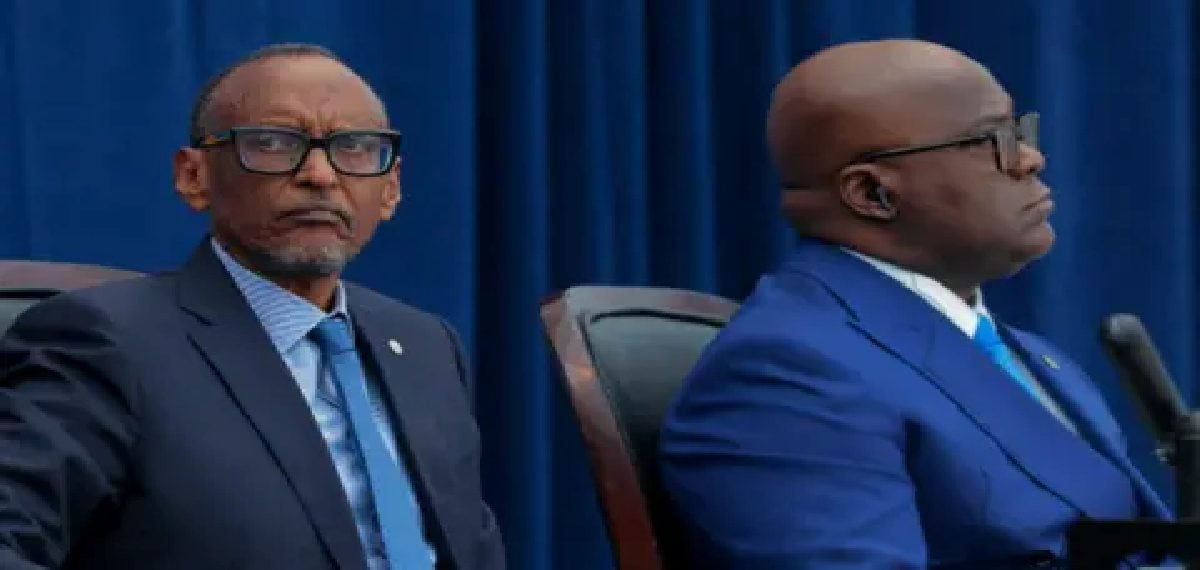
The regional context includes longstanding tensions with Rwanda and accusations of Rwandan backing for M23, which Rwanda denies. Relations between DR Congo and Rwanda have shifted over time, and observers suggested Kabila’s appointment could align some of his interests with those of Rwanda’s leadership, though described as an alignment of convenience rather than deep trust.
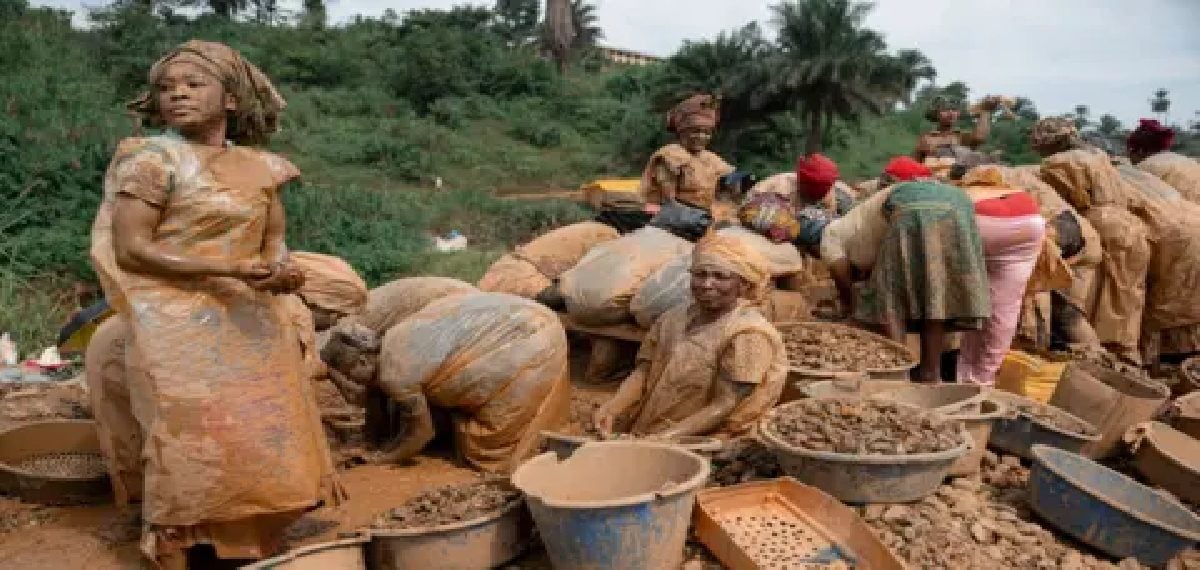
Peace efforts and agreements have not halted fighting in the east. A peace accord overseen last year included US involvement and agreements on mineral extraction, while the US has also imposed sanctions on various Rwandan officials and entities accused of prolonging violence. Elections are scheduled for 2028, but the government has warned that eastern fighting could delay voting.
Joseph Kabila’s leadership of the FRN signals a reconfiguration of political and military forces in DR Congo where a former president brings state experience to a rebel movement with recent territorial successes. The alliance amplifies the political stakes by merging a bid for national influence with an armed group’s regional gains, complicating prospects for a negotiated resolution. President Félix Tshisekedi retains institutional advantages and international support, while the C64 coalition’s refusal to back a military solution highlights domestic resistance to resolving disputes through force. The trajectory of the conflict will depend on whether the FRN and M23 can translate military presence into broader legitimacy and whether dialogue efforts by other opposition actors can create space for a political settlement.