02 Kasım 2026
parçalı bulutlu


Judge dismisses Trump’s $10B lawsuit against The Wall Street Journal, detailing legal reasoning and implications for media defamation claims.
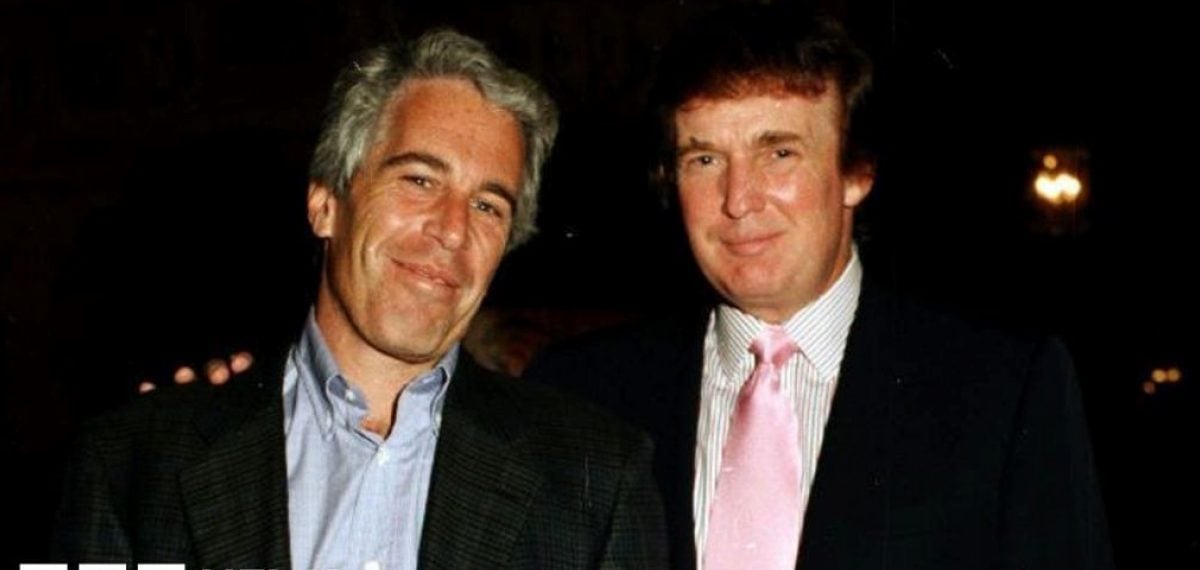
A U.S. judge dismissed President Donald Trump’s $10 billion defamation suit against Dow Jones and Rupert Murdoch after the Wall Street Journal published a report about a letter allegedly linked to Trump in Jeffrey Epstein’s 2003 birthday book, ruling the case conflicted with First Amendment protections.
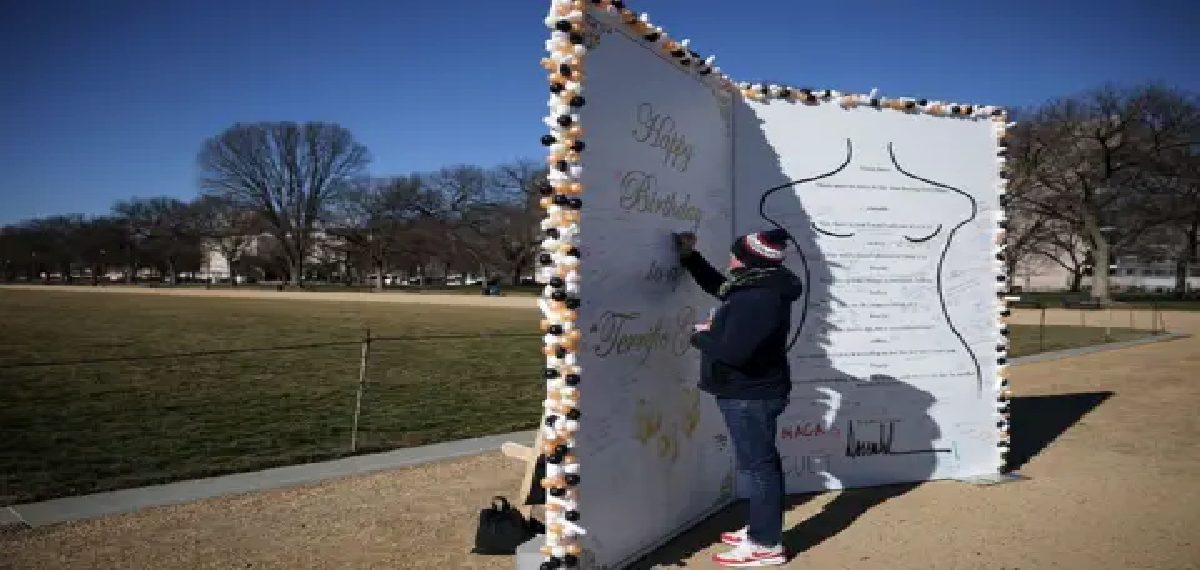
Judge Darrin Gayles, who had previously dismissed a $20 billion version of the claim, threw out the refiled suit with prejudice, meaning it cannot be brought again. The Journal’s article reported that the letter bore Trump’s name and signature and included suggestive language and a hand-drawn outline of a woman.
In a 20-page opinion Gayles praised the Journal’s investigation as “thoughtful and detailed” and found the plaintiffs failed to show the defendants acted with actual malice. The judge wrote that the legal standard for public figures requires proof that a defendant knew a statement was false or acted with reckless disregard for its truth.
Trump denied writing or signing the letter and alleged the Journal’s publication was fabricated to defame him. Gayles rejected the argument that the paper should have abandoned its reporting because Trump denied authorship when contacted, saying that such a rule would block journalists from publishing negative or contradictory press whenever a public figure denies an allegation.
The Journal’s story described the letter as containing typewritten text framed by a hand-drawn outline of a naked woman and ending with a joking birthday sentiment. The reporting emerged amid heightened scrutiny over Epstein documents and reporting during the same period.
The judge’s ruling underscores the high bar public figures must meet to prove defamation and reaffirms strong First Amendment protections for news organizations conducting investigative reporting. By dismissing the case with prejudice the court closed this legal avenue for President Trump and signaled judicial reluctance to permit defamation suits that challenge thorough newsroom investigations without clear evidence of actual malice.