18 Temmuz 2026
açık


Indian private rocket maker Skyroot targets its first orbital launch with Vikram-1, marking a milestone for aerospace privatization and commercial access to space.

Skyroot Aerospace will attempt its first orbital launch on Saturday, lifting the seven-storey Vikram-1 rocket from ISRO’s Sriharikota launch facility at 11:30 India time (06:00 GMT) with a planned insertion into low Earth orbit at about 450 km. The company, recently valued at $1.1bn, says a successful 16-minute flight would make it the first Indian private firm to reach orbit and mark a major step toward commercial small-launch services.
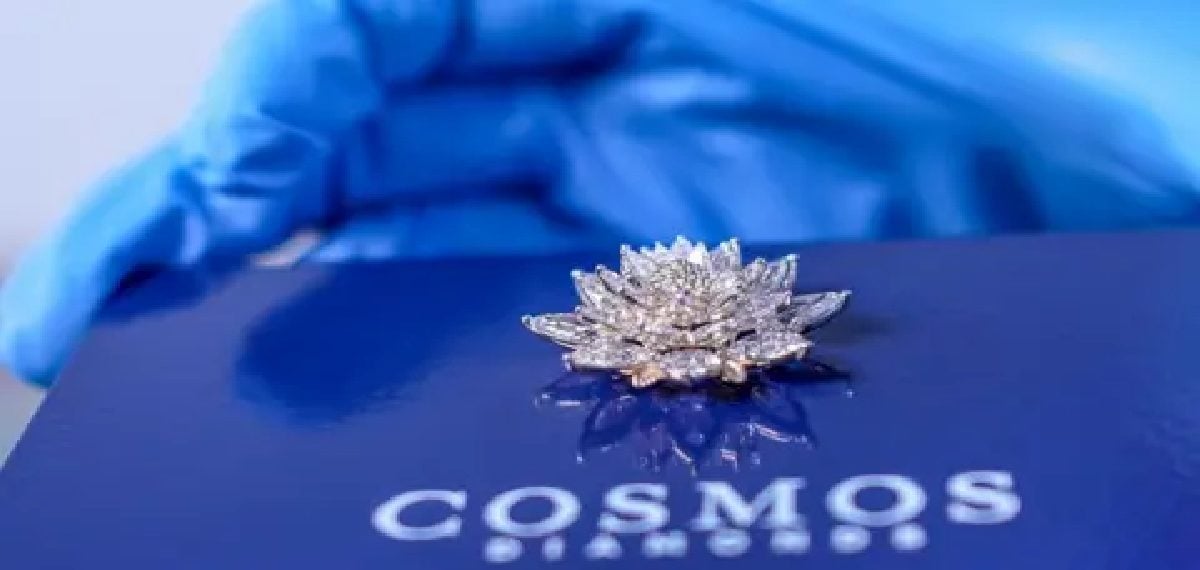
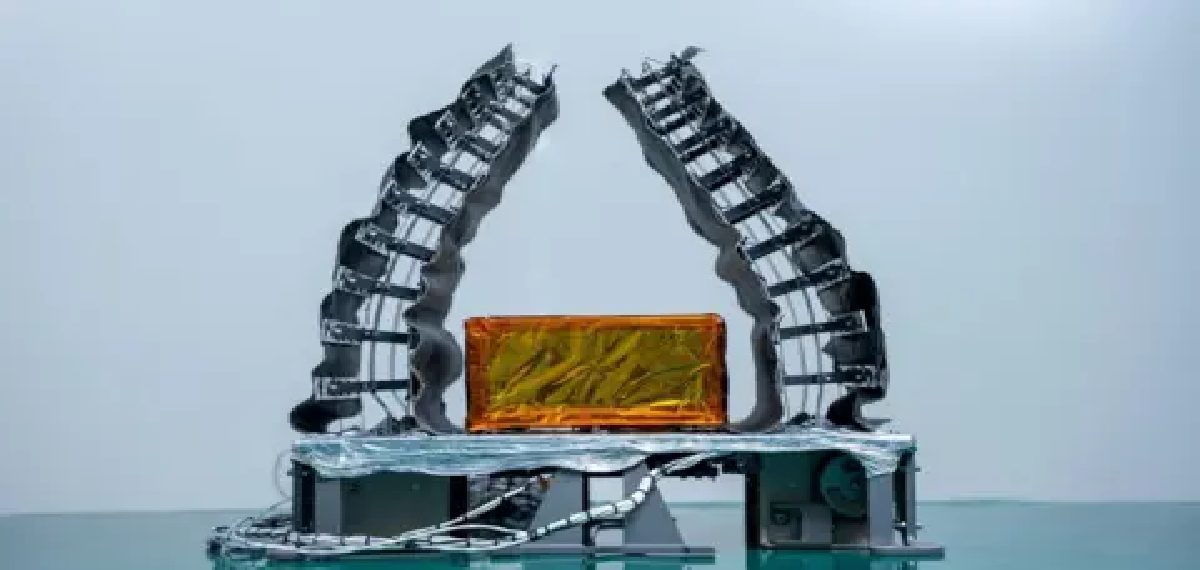
The vehicle, named after space pioneer Vikram Sarabhai, can carry up to 350 kg and will fly Skyroot’s Aagman test mission carrying six payloads. Manifest items include scientific instruments — such as an Earth observation camera and a prototype robotic arm for debris removal — and small satellites including one from a German firm. Two symbolic payloads also fly: a diamond lotus artwork and a microscopic gold rocket bearing micro-sculptures of CV Raman, APJ Abdul Kalam and Sarabhai.
CEO Pawan Kumar Chandana, a co-founder who previously worked at ISRO, frames Skyroot’s long-term offering as a “cab service to space”: dedicated, on-demand launches tailored for small satellites to reduce long waits that currently stretch months or years. The firm plans to build rockets monthly at its Hyderabad factory and conduct a second test flight later this year before starting commercial launches next year.
Skyroot traces its origins to 2018 when Chandana and co-founder Naga Bharath Daka left ISRO to form the startup. After India’s 2020 policy opening for private space firms, more than 400 space startups emerged, but Skyroot stands out as the sector’s first unicorn and the only private company to have earlier demonstrated a suborbital launch in November 2022.
Government ambitions and a growing commercial market set the backdrop: India aims to increase its share of the global space economy and plans crewed missions, a Venus orbiter by 2028 and a national space station by 2035. Skyroot says 70–80% of its potential market is international, spanning Earth observation, communications, navigation and services used in agriculture, fisheries, disaster management and national security.
Skyroot’s success would lower barriers to space for small-satellite operators worldwide by adding flexible, dedicated lift capacity. That could accelerate data-driven services — from precision agriculture to disaster response — and shift market dynamics by giving startups and smaller nations more timely access to tailored orbits. At the same time, faster, lower-cost access raises regulatory and space‑traffic management challenges: more launches and satellites increase orbital congestion and heighten the need for debris mitigation and international coordination.
Economically, a scalable small-launch industry in India could attract global customers and suppliers, boost the domestic supply chain, and create skilled manufacturing and engineering jobs. Strategically, private providers complement national programs like ISRO by offering niche, on-demand services that support both commercial and government missions.