10 Eylül 2026
açık


Verdict expected after multi-year inquiry into Genoa bridge collapse as victims press for accountability and justice.

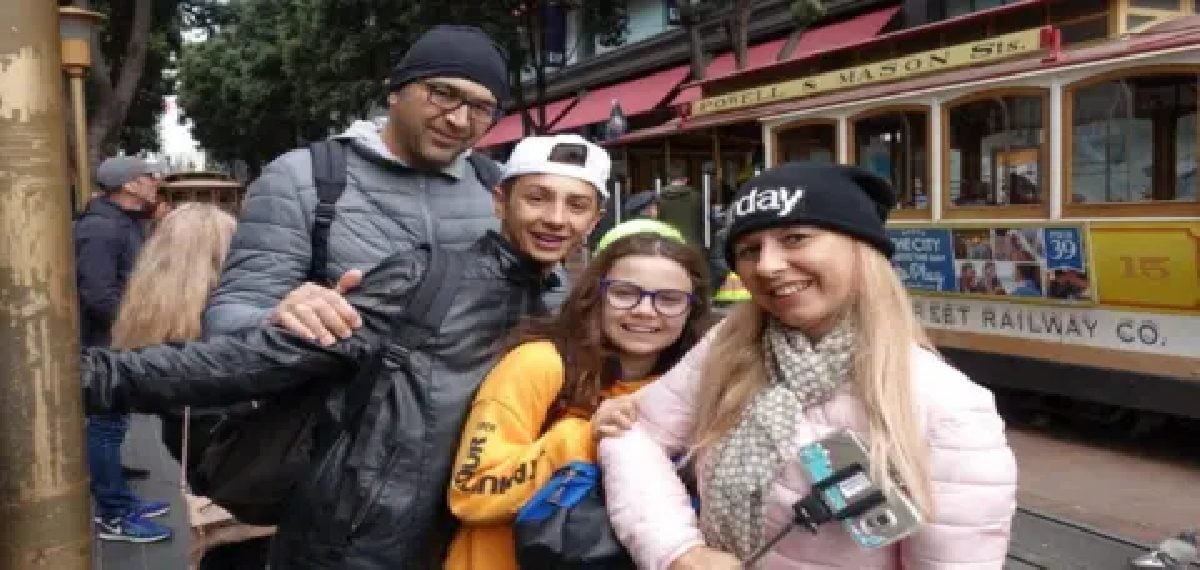
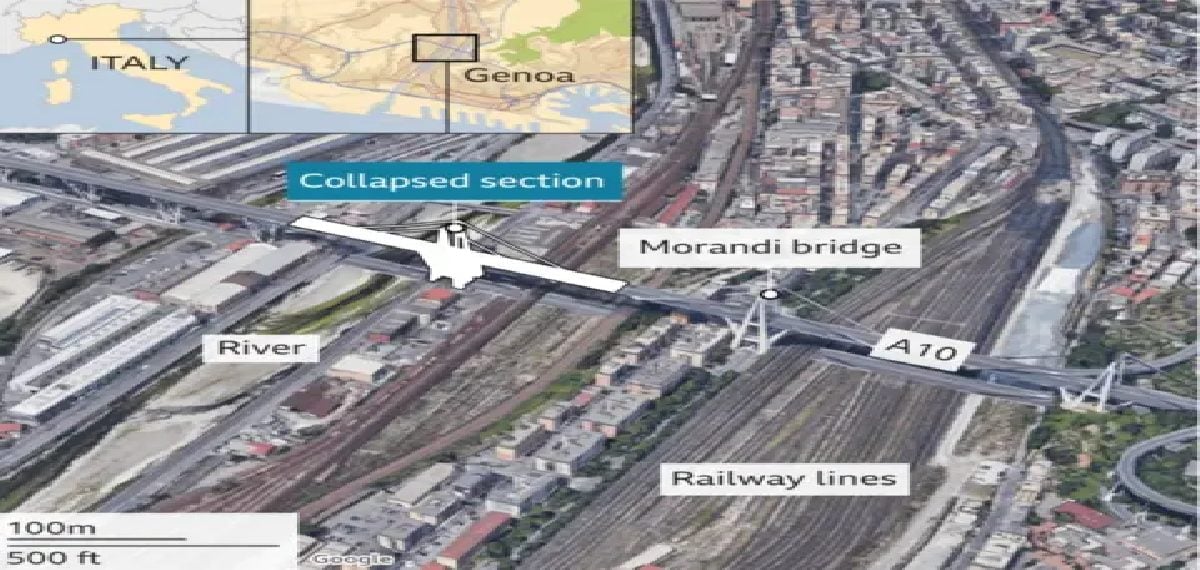
Forty-three people, including Claudia Possetti, her husband Andrea and their two children, died when the Morandi bridge in Genoa collapsed on 14 August 2018; nearly eight years later a first-instance verdict is expected in the criminal trial that has probed maintenance practices, design questions and corporate responsibility.
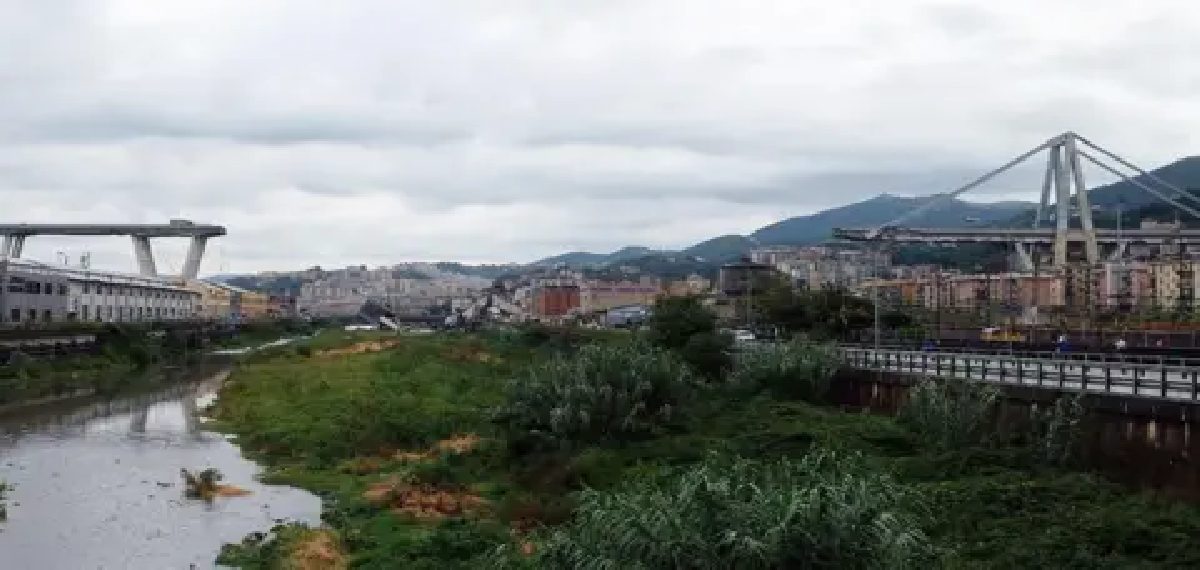
The collapse happened during a summer storm at the height of the holiday season, sending vehicles onto railway tracks below and triggering one of Italy’s deadliest infrastructure disasters in decades. Prosecutors argue that delayed maintenance and ignored warning signs allowed the viaduct to fail, while defence teams point to a specific cable design flaw that could not have been prevented by routine upkeep.
Since July 2022 fifty-seven defendants have faced charges ranging from multiple manslaughter to falsifying documents, including former executives of Autostrade per l’Italia and Atlantia, engineers from Spea and ex-transport ministry officials. All defendants deny wrongdoing, and some lesser charges have lapsed under statute of limitations.
The trial has stretched across almost four years and 284 hearings, reflecting complex technical reconstructions and repeated expert reviews. Former deputy chief prosecutor Francesco Pinto warned the lengthy process highlights systemic problems in Italy’s judicial timeline and predicted further years if appeals and Supreme Court review follow.
Autostrade per l’Italia’s current chief executive Arrigo Giana issued an apology on the eve of the verdict, noting the company’s ownership and management have changed since 2018 and describing a moral duty to acknowledge the pain of affected families. Separately, Aspi and Spea reached a settlement and are no longer defendants after agreeing to pay about €30m in damages.
The ruined Morandi viaduct sections were demolished in early 2019 and replaced by the Genoa San Giorgio Bridge, designed by Renzo Piano and opened in August 2020 as a symbolic and functional renewal of the route.
The impending verdict carries significance beyond individual accountability: it is a test of how corporate governance, regulatory oversight and maintenance culture intersect in Italy’s aging infrastructure landscape. A finding against executives could intensify scrutiny on concessionaires’ inspection regimes, influence public procurement standards and reshape liability expectations for infrastructure operators.
For the families and for public confidence, the trial’s outcome may determine whether responsibility is perceived as structural—rooted in design and historical choices—or managerial, tied to maintenance decisions and corporate priorities. The legal resolution could prompt policy reviews, funding reallocations and faster modernization programs for critical transport links.