03 Eylül 2026
açık

A professional recap of the World Cup’s viral moments—celebrities, passionate fans, and unforgettable scenes that captivated the globe.
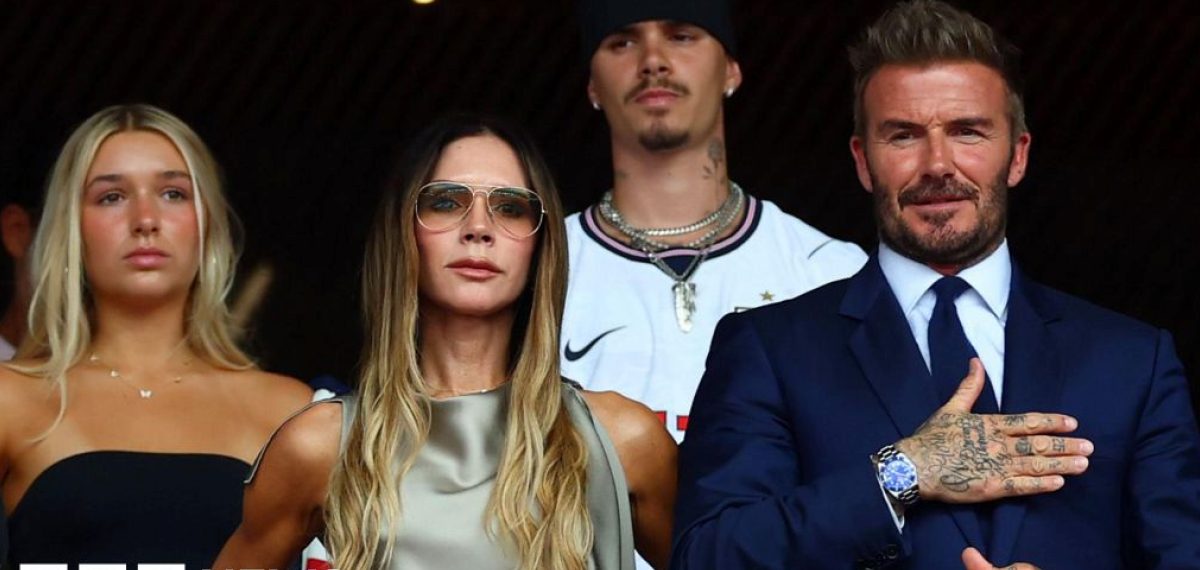
The tournament produced a steady stream of viral images and moments from Miami to Mexico City, as celebrities, influencers and supporters created shareable scenes that kept conversations alive online throughout the month.
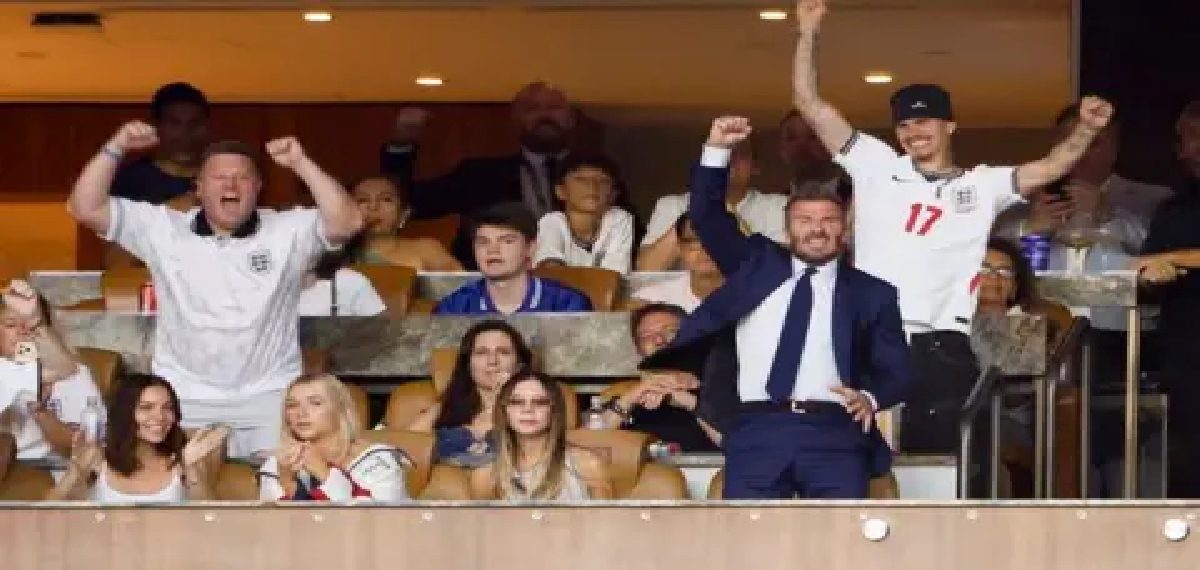
David and Victoria Beckham provided a contrasting snapshot of fan emotion in Miami, with Sir David visibly elated after England’s win over Norway while Victoria Beckham remained composed, a calm presence that quickly became a social-media meme and sparked playful commentary from colleagues and Inter Miami co-owner himself.
Scotland’s Tartan Army left a vivid mark on Boston, where bagpipers and travelling fans brought Fenway Park to life and even prompted the city’s mayor to explore formal ties with Glasgow after locals embraced the supporters’ chants and atmosphere.
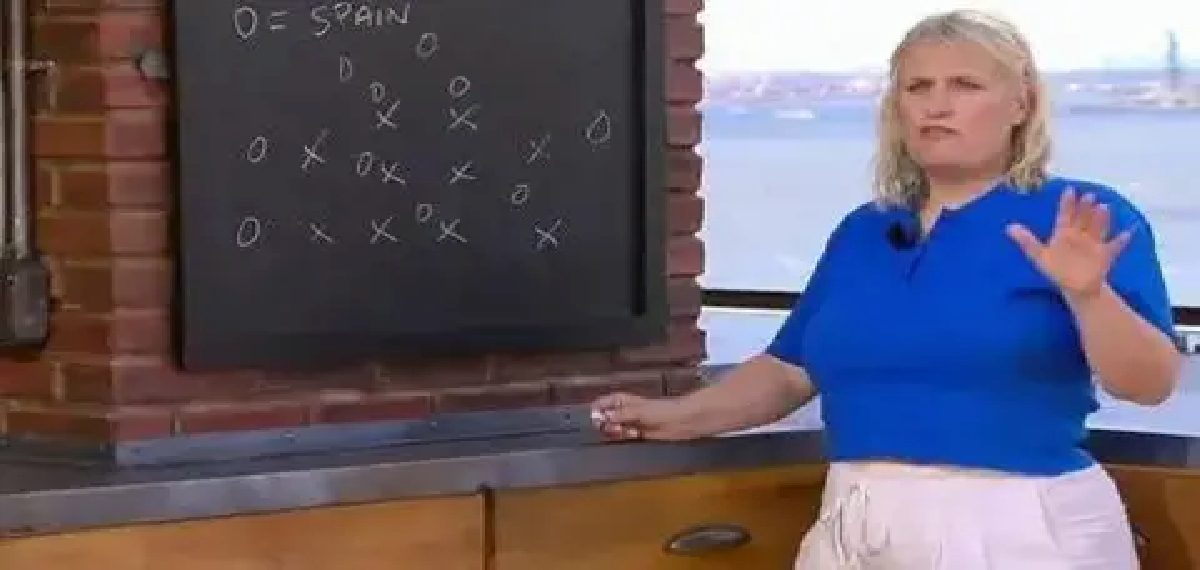
Emma Hayes turned hydration-break analysis into appointment viewing, prompting discussion when viewers compared her studio set to a domestic space; Hayes redirected attention to her tactical breakdowns, asking audiences to focus on the football rather than aesthetics.
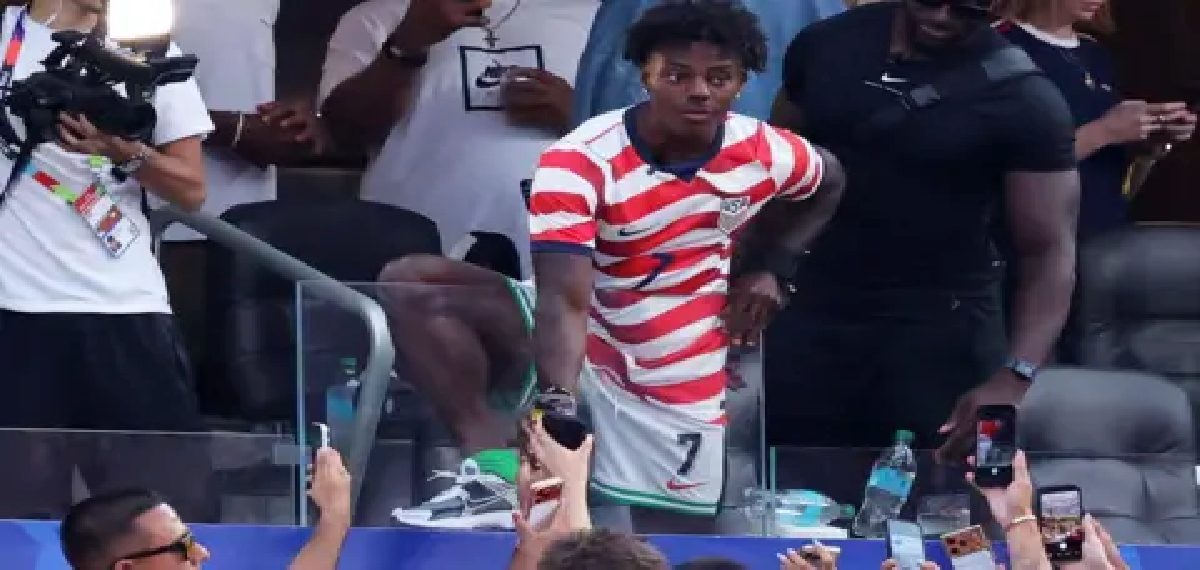
Influencer IShowSpeed emerged as an unlikely World Cup star, hosting stadium watch parties, drawing younger audiences with a FIFA partnership and earning a closing-ceremony slot and a pair of game-worn boots gifted by Cristiano Ronaldo.
Gary Lineker remained omnipresent in varied formats — from Netflix studios to surprise BBC cameos — reinforcing how established broadcasters and modern platforms can overlap in a global tournament.
Cape Verde’s goalkeeper Vozinha and winger Sidny Cabral provided emotional highlights: an unexpected run to the knockouts reunited Vozinha with his mother and produced celebratory scenes that underscored football’s personal narratives.
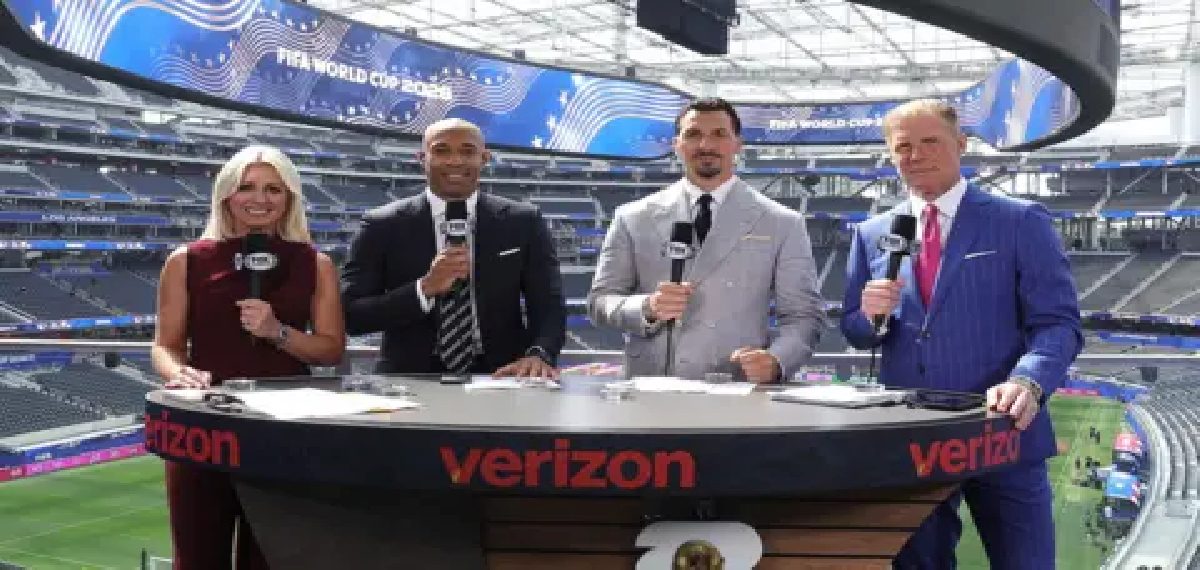
Studio moments in the US injected levity and spectacle: Thierry Henry and Zlatan Ibrahimović staged playful exchanges with pundits, and Erling Haaland’s internet-fuelled persona spawned memes and a social-media surge, amplified by his camaraderie with Jude Bellingham.
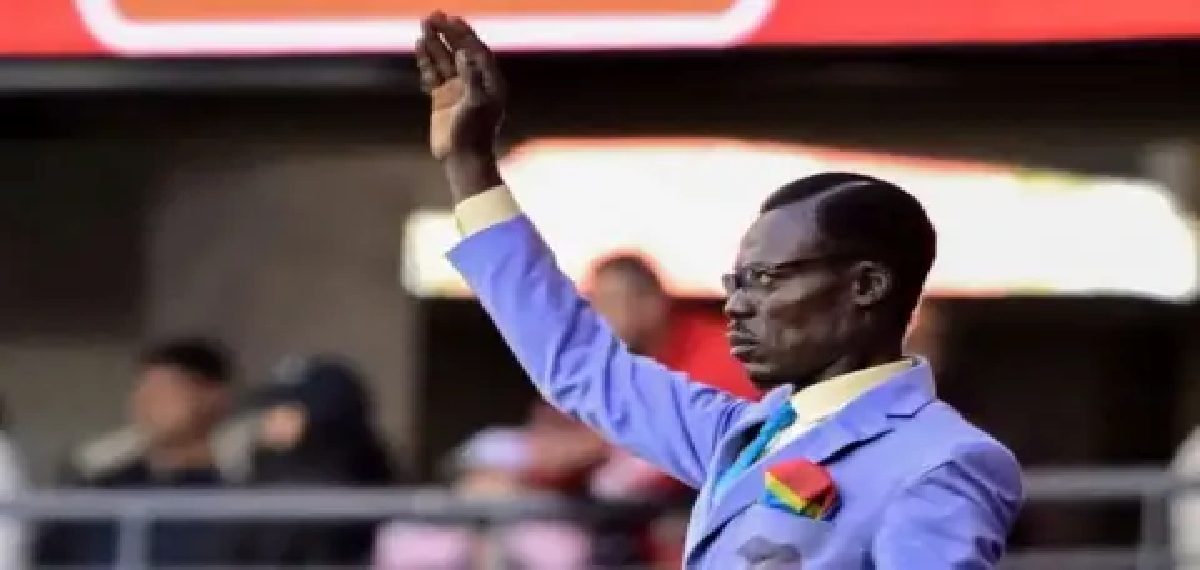
Off-field incidents also made headlines: Jordan Henderson suffered an unusual injury while celebrating, Harry Kane’s hoarse post-match interview became a viral clip after fans realised he had been singing “Wonderwall,” and a DR Congo fan’s living-statue mimicry became an instantly recognisable image.
Viral moments at a major sporting event reveal shifting attention economies: traditional broadcasters still set tactical narratives, but influencers and live-clip culture increasingly define how younger audiences engage. This dual attention dynamic pressures rights holders and advertisers to balance polished studio coverage with shareable, authentic moments that travel fast on social platforms.
On a social level, these episodes highlight sport’s power to amplify human stories — family reunions, grassroots fandom and light-hearted studio antics — offering soft diplomatic and economic benefits such as tourism interest and city partnerships that can outlast the tournament.