13 Eylül 2026
kapalı


Iran weighs acceptance, escalation or prolonged pressure over Strait of Hormuz, assessing strategic, economic and diplomatic consequences.
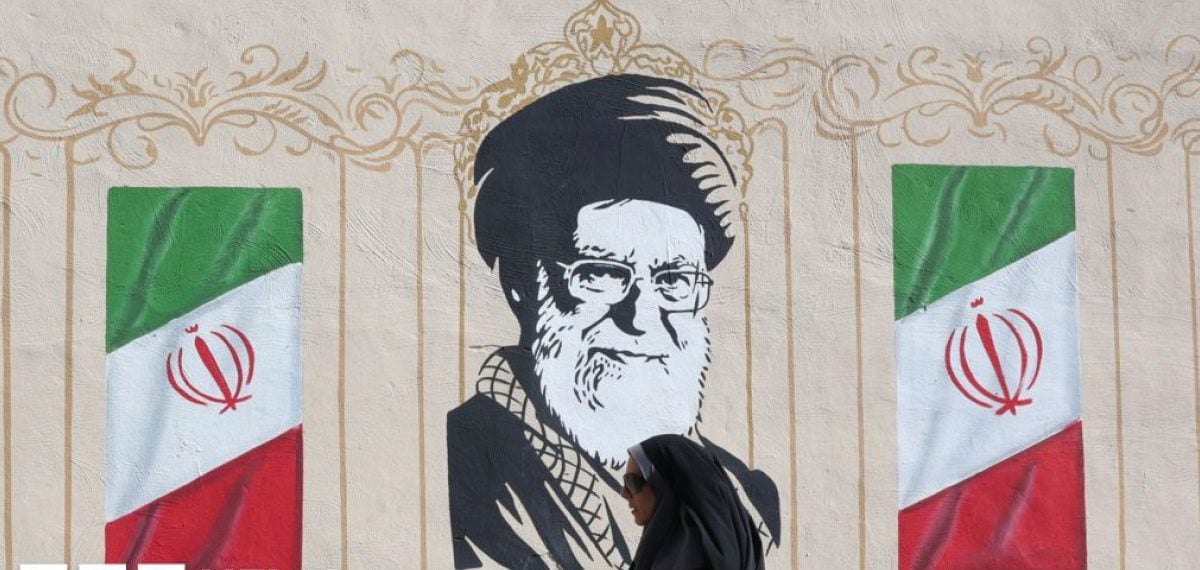
After 10 days of exchanges with the US over control of the Strait of Hormuz, Iran faces three distinct options: agree to Washington’s demands and seek sanctions relief, escalate attacks to force concessions, or maintain limited disruption to preserve leverage without triggering full-scale war.
The first option would see Tehran halt attacks on commercial shipping, curb its highly enriched uranium stockpile and accept tougher inspections in return for an end to the US naval blockade, sanctions relief and protection from further strikes. Politically this would be costly for Tehran because it risks undermining claims about deterrence and the nuclear programme.
Escalation would involve intensified strikes on US bases, shipping and Gulf infrastructure intended to drive up energy prices and compel Washington and its partners to negotiate. This path carries the highest military risk and could draw neighbouring states into a wider coalition against Iran.
The third path is continued instability: enough disruption to retain bargaining power but restrained to avoid a full-scale conflict. This approach aligns with Iran’s historic emphasis on endurance and survival, but it imposes growing domestic costs through sanctions, damage and inflation.
Parliament speaker Mohammad Bagher Ghalibaf has highlighted a tension at the heart of using Hormuz as leverage, arguing the strait’s value depends on increasing shipping through it rather than reducing traffic; a persistently unsafe waterway would encourage alternatives and weaken that leverage.
Who is making the decisions
Decision-making is complicated by changes at the top of Iran’s system. Under the late supreme leader Ayatollah Ali Khamenei, disputes among elected officials, clerical bodies and the Revolutionary Guards were ultimately resolved by the supreme leader. After his death and with Mojtaba Khamenei assuming leadership, the balance of authority is less clear.
President Masoud Pezeshkian and diplomatic circles may favour a settlement to relieve economic pressures, while hardliners in parliament, unelected institutions and conservative media warn concessions would damage core ideological positions. The Revolutionary Guards retain significant influence through missiles, regional alliances and strategy in the strait, but their exact role in choosing between deal, endurance or escalation remains uncertain.
Based on the reported options and internal dynamics, the three paths impose different costs across Iran’s political spectrum: pragmatists benefit from a deal, hardliners prefer endurance, and some military commanders may see escalation as strengthening bargaining power. Authority over the final choice is unclear given recent leadership changes and competing institutional interests.
What Iranians are saying
Public accounts reflect fatigue and economic hardship. A woman interviewed by BBC Persian said she was “very, very saddened” when fighting resumed after a Memorandum of Understanding intended to pause operations and reopen the strait. Another worker in Tehran described prolonged unemployment despite senior qualifications, rising prices, power and water cuts, theft and occasional night gunfire, saying she limits movement around the city.
These testimonies show the strain of prolonged confrontation on ordinary lives and underscore limits to asking the public to endure indefinite hardship for resistance.
US President Donald Trump declared a ceasefire “over” three weeks after a June Memorandum of Understanding that had aimed to halt operations and reopen the Strait of Hormuz following Iranian attacks and US strikes.