06 Kasım 2026
parçalı az bulutlu


Major cyberattack on European supermarket chains disrupts supply chains, causing widespread food loss and urgent calls for stronger cybersecurity and recovery plans.
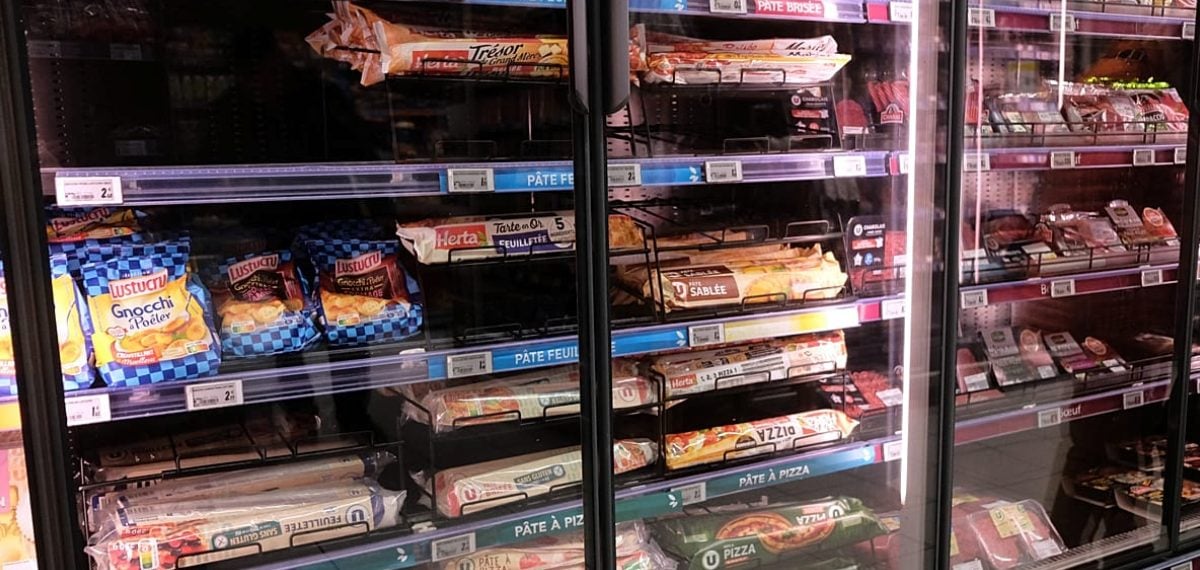
A cyberattack hit around a hundred supermarkets across Sweden, Belgium, Luxembourg, Estonia and Ireland and has also affected at least four Coop stores in Italy, three in Catania and one in Palermo, causing refrigeration temperatures to rise and forcing shopkeepers to discard overheated food.
Coop Radenza reported that the incident targeted the remote control system for frozen food counters. Danilo Radenza, chief executive of Coop Radenza, confirmed that after screening there appears to be no further damage although the attack did occur. Giuseppe Spadaro, general manager of the Radenza group, initially reported the issue to Ansa.
The postal police are reconstructing the origin and scale of the attacks and checking for links with incidents in other European countries. In some cases the problem has been fixed, and Coop Radenza has contacted the National Cybersecurity Agency to activate protocols and carry out in-depth investigations.
The National Cybersecurity Agency reported receiving a report of an incident affecting a Tuscan company in the collective catering sector and detected an attack against a company in Emilia that produces frozen foods. The Agency recommended urgently checking whether control and remote assistance systems used by food distribution chains are exposed on the Internet, strengthening remote access with VPNs and multi factor authentication, reviewing privileged accounts and updating or replacing unsupported devices.
A meeting is scheduled between the Agency, sector federations and major national retail companies. The Parliamentary Committee for the Security of the Republic will request information from the government, and Palazzo Chigi has convened a meeting to include the Director of the National Cybersecurity Agency and the heads of the intelligence agencies coordinated by Undersecretary Alfredo Mantovano.
The earlier cyberattack on 12 October hit main supermarket chains in France and pushed refrigerator temperatures in affected supermarkets above 50 degrees in Europe, forcing retailers to dispose of spoiled food at opening time. The European Union described the situation as highly worrying. No one has claimed responsibility for the attacks but authorities consider the incidents likely connected.
The attacks show a vulnerability in remote control systems for refrigeration and food production that can translate into immediate commercial and public health consequences when temperatures in cold chains rise. The coordinated response by retailers, the National Cybersecurity Agency and law enforcement indicates the incident is being treated as both a criminal investigation and a systemic resilience issue. Recommendations from the Agency highlight practical remediation steps for affected companies and the wider sector, while planned meetings at national level reflect the need for rapid information sharing and protective measures across supply chains.