06 Kasım 2026
parçalı az bulutlu


Mass union-led strikes and nationwide protests set to disrupt France’s transport, services and daily life amid mounting political tensions.
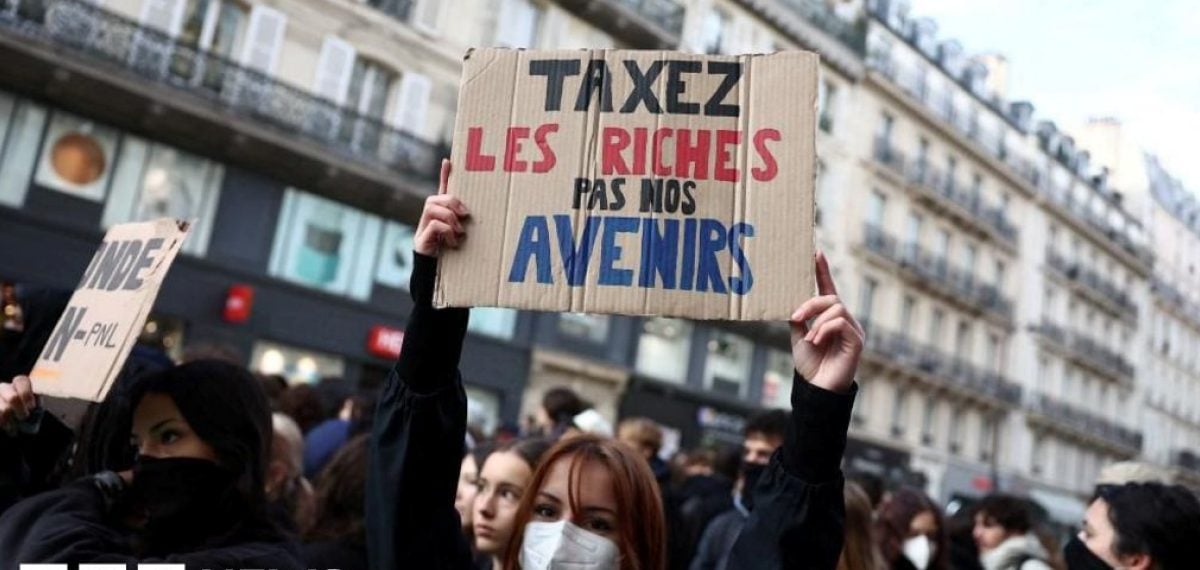
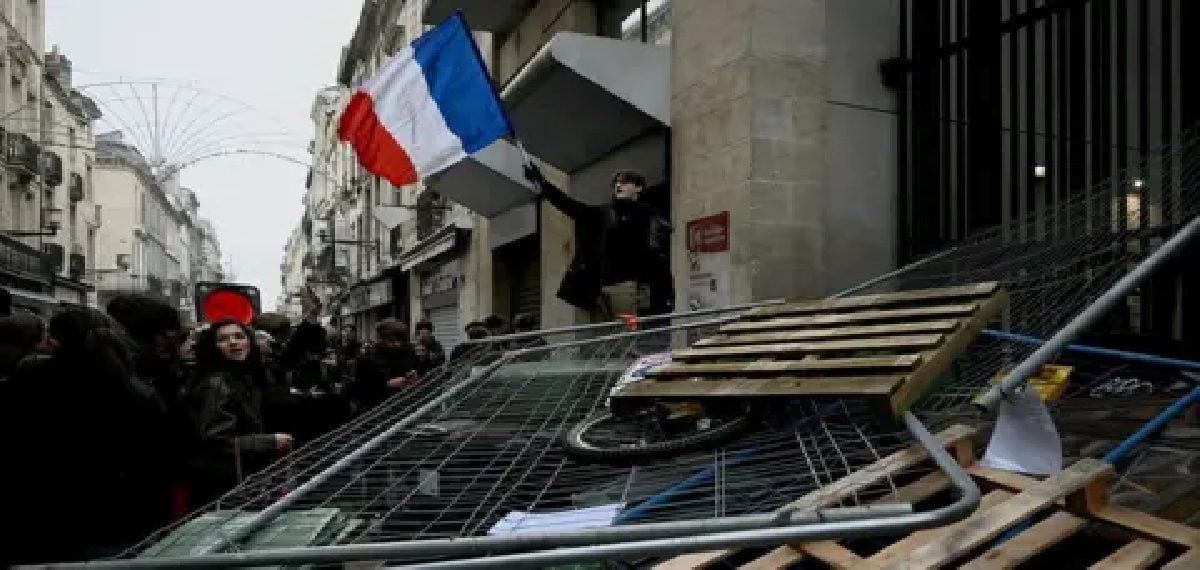
Hundreds of thousands of demonstrators are expected to march across France on a national day of action called by five unions, with authorities preparing a large security deployment and unions seeking higher wages and protection for public services.
The protests, which began in September with high school students raising concerns about education conditions, have widened to include the &i>yellow vest movement and workers from both public and private sectors. Organisers and union leaders described the day as a significant convergence of different social groups demanding economic relief.
Interior Minister Laurent Nuñez said 70,000 police and gendarmes will be deployed and vowed an extremely firm response to potential violence. Authorities expect between 500,000 and 700,000 demonstrators nationwide, with tens of thousands anticipated in Paris.
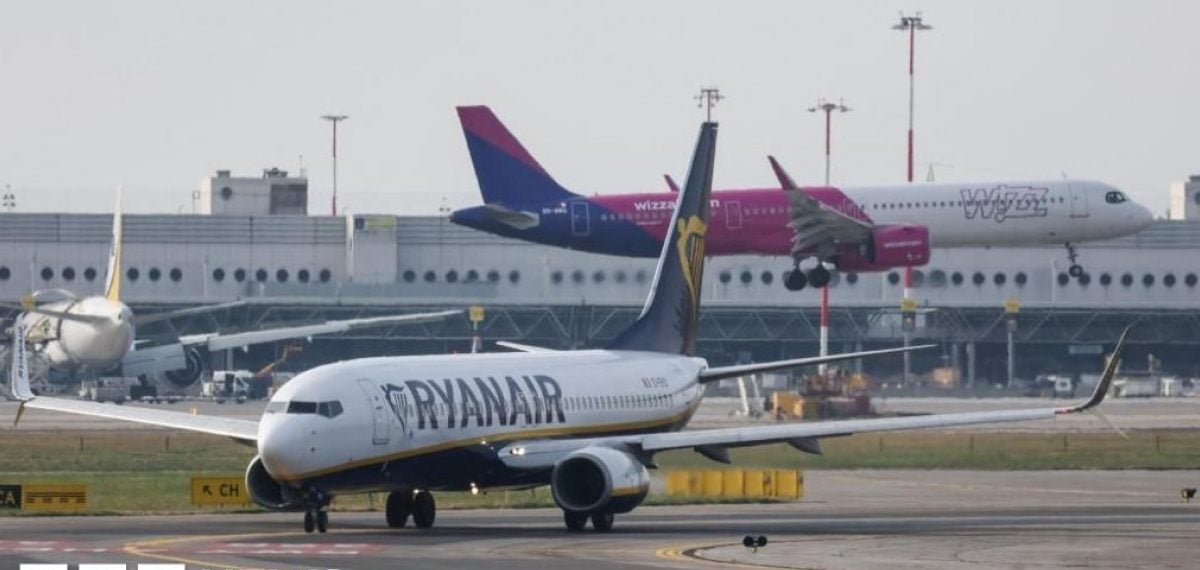
More than 250 separate actions are planned, with reported disruption already affecting schools, hospitals and public transport. Workers have been urged to halt production at oil refineries, and France is expected to import more electricity than it produces on the day because of disruption at nuclear plants.
Union demands include a raise in the minimum wage, or Smic, currently €12.31 an hour, and a net increase of €100 a month as articulated by CFDT head Marylise Léon. The government has sought to ease public pressure by releasing 10 million barrels of diesel from strategic reserves and promising reforms to the Parcoursup university admissions platform with a view to eventual replacement by 2028.
In Paris, recent marches had been kept away from the city centre after violent incidents on 17 October that led to looting and arson. For this action the march will be permitted through central streets, though not along the route originally proposed by unions between Place de la Bastille and Place de la Concorde. The authorised route runs from Place de la République to Place de la Nation, a change that unions said complicated organisation after late court approval.
Interior Minister Laurent Nuñez identified three potential risks for the day: radical left &i>black blocs, looting and unauthorised wildcat marches. The minister said the police deployment would be on a scale similar to recent weekends, and union leaders signalled their intent to escalate mobilisation should turnout be large.
The coordination of five unions and the convergence of diverse protest movements indicate a broadening of social discontent focused on wages and public services, increasing pressure on the government to respond economically and politically. Large-scale security preparations and adjusted march routes reflect authorities balancing the right to protest with concerns about public order, while disruptions to energy and transport underline the potential economic impact of the strikes.