06 Kasım 2026
parçalı az bulutlu


Digital blackout and asset seizures trigger mass protests and deepen political crisis, raising urgent questions about governance and civil rights.
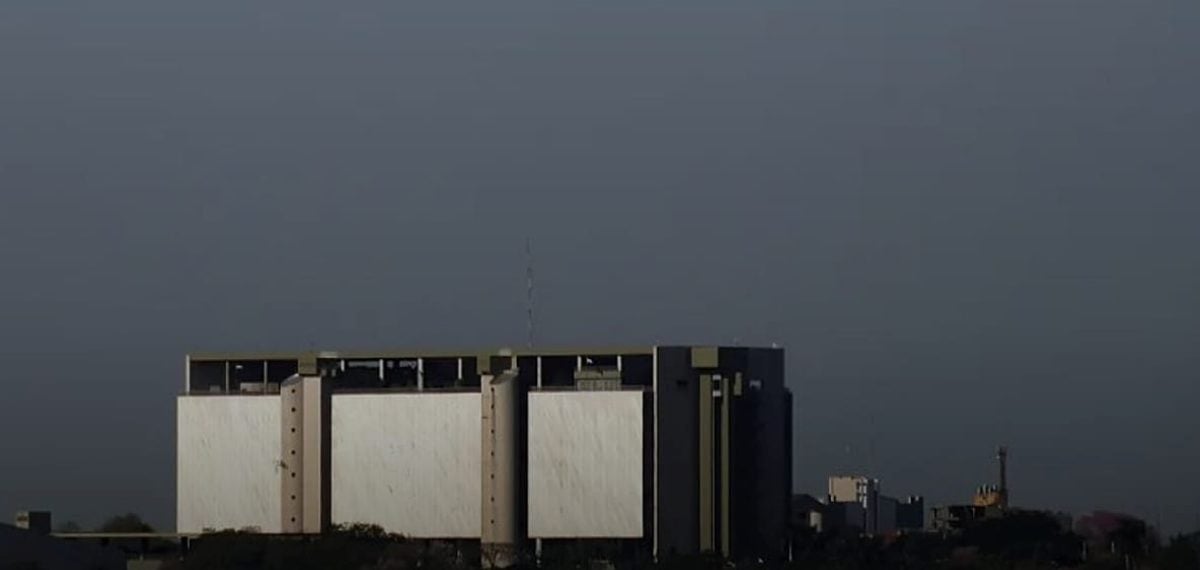
In the early hours of Tuesday 3 November, the Ueno Bank mobile app stopped showing account balances for almost three million customers and displayed the message “We cannot display the balance” while the Central Bank of Paraguay announced the bank was placed under intervention and its liquidation process was launched.
The Central Bank of Paraguay said the resolution procedure followed detection of a critical collapse in Ueno Bank’s solvency ratio, which had fallen below 50 percent. The bank managed significant public funds, including resources of the Social Security Institute, and held around 850 million dollars in public funds.
Closed branches and guarded headquarters in Asunción and the bank’s 75 branches across the country drew crowds of outraged users attempting to access their money, producing scenes of extreme tension and despair as people pleaded to withdraw funds for medicines and daily needs.
The intervention halted all services, with the central bank confirming that neither the app, nor cards, nor any services were active. Authorities reminded the public that a guarantee fund exists to reimburse each customer up to 75 minimum wages, but mistrust and suspicion spread rapidly among the population.
At the request of 35 lawmakers, the Chamber of Deputies will meet in an extraordinary session to vote on whether to open impeachment proceedings against Santiago Peña, with the process requiring 53 votes in the lower house and subsequently two thirds of the Senate for viability. The indictment accuses Santiago Peña of poor performance of his duties and includes allegations ranging from conflicts of interest to misappropriation of pension funds and providing institutional protection to the Central Bank.
President Santiago Peña cancelled his official schedule and later announced the departure of the head of the central bank while calling on the courts to establish accountability. Judicial action intensified with the arrest of eight senior executives of Ueno Bank, including its chief executive Miguel Vázquez.
The economic impact was immediate as the Association of Importers and Traders warned of an immediate 35 percent plunge in sales at the country’s major retailers, with domestic consumption grinding to a halt as money became blocked and inaccessible.
Ueno Bank, owned by Grupo Vázquez and known for its fluorescent green branding and high-profile sponsorships of major football clubs and the Defensores del Chaco stadium, had recently promoted a 100 million dollar capitalisation plan. Despite its public image, the Superintendence of Banks found the institution unable to meet a legal reserve requirement of 70 million dollars demanded by the central bank.
The solvency collapse translated into a wider political explosion, placing President Santiago Peña, an economist with an IMF background who took office in 2023, at the center of the crisis during one of the most critical moments of his administration.
The simultaneous collapse of digital access and the declaration of liquidation transformed a financial solvency failure into a national crisis with immediate social, economic and political consequences. The blocking of deposits and the large volume of public funds involved intensified public alarm and mobilised protests at bank branches, while the arrest of senior executives and resignation of central bank leadership shifted the crisis into the legal and political arenas. The interruption of banking services precipitated rapid contraction in consumer spending and posed urgent operational and reputational challenges for financial regulators and political leaders.