21 Ekim 2026
açık


Nigeria confirms an Ebola case linked to a traveler from Uganda; health authorities launch investigations and containment measures.
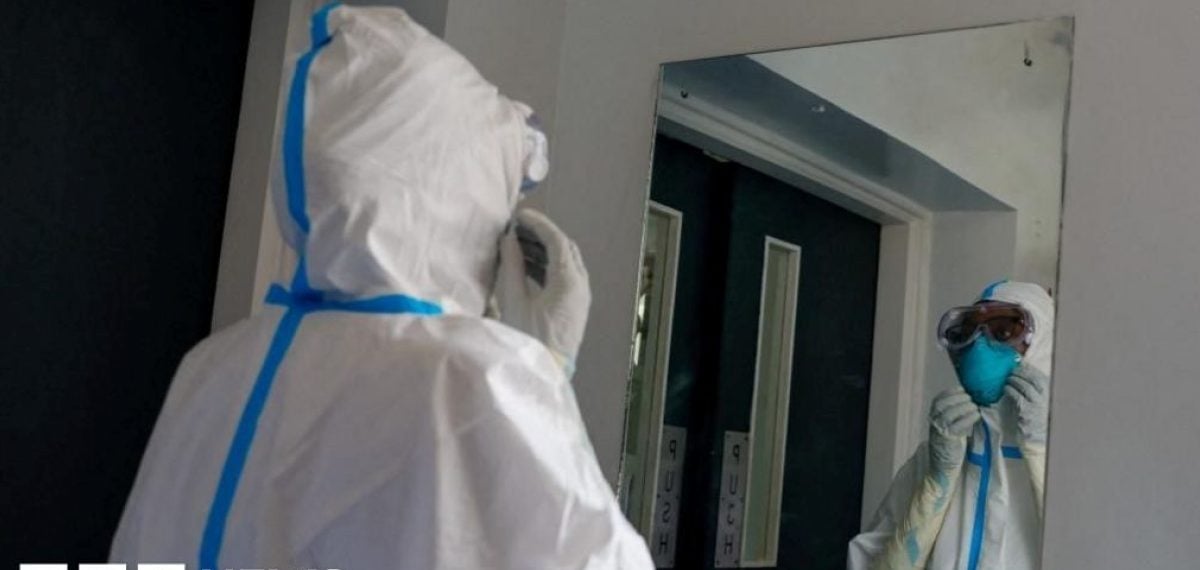
Nigeria has confirmed an Ebola infection in a woman who recently traveled from Uganda to the capital, Abuja. Laboratory tests have validated the diagnosis, and the patient is currently isolated and receiving clinical care at a hospital in the city.
Public health teams have begun contact tracing: authorities have identified 44 close contacts linked to the patient and are monitoring them to limit further transmission.
The ongoing outbreak in the region began in May in the Democratic Republic of Congo and has expanded across several East African countries. According to the European Centre for Disease Prevention and Control, the outbreak has resulted in more than 9,500 cases and at least 4,600 deaths. This event involves the Bundibugyo species of the Ebola virus, a less common strain for which no licensed vaccine or approved treatment is currently available, though clinical trials are underway.
Since the initial reports, cases have been recorded in Uganda and Kenya as well. Uganda declared itself free of the disease in August after discharging its last patient. Kenya has reported multiple infections, prompting travel advisories from some countries.
Ebola is a severe viral illness that can progress to vomiting, diarrhea, and organ failure in advanced stages; some patients may experience internal or external bleeding. Transmission occurs through direct contact with infected bodily fluids, such as blood or vomit, or contaminated materials.
Nigeria — which previously contained a 2014 outbreak — has increased surveillance and issued public health guidance. The Nigeria Centre for Disease Control is advising vigilance: travelers from countries with active Ebola transmission may be required to complete a health declaration form, while arrivals from other nations are currently exempt.
Travelers are urged to monitor their health and seek medical attention promptly if Ebola-like symptoms develop. Health authorities are actively following up on contacts and reinforcing measures to prevent broader spread within the country.
For updates from regional news sources and health agencies, follow official channels and verified public health accounts.