21 Ekim 2026
açık


Deadly drone strikes in Sudan worsen the humanitarian crisis, displace civilians, and heighten regional tensions and international concern.
The Sudanese conflict has seen a severe escalation in drone attacks that reportedly killed hundreds of people over recent days. Sources monitoring the war say multiple strikes in West Kordofan and the disputed Abyei area have resulted in heavy civilian casualties, including many who were travelling to a funeral.
Witnesses and monitoring organizations describe a pattern of attacks that targeted crowded sites such as markets and funeral gatherings, leaving scores dead and numerous others injured. The strikes have aggravated fears of the conflict spilling across borders, notably straining relations between Sudan and South Sudan in the oil-rich Abyei region.
On Sunday evening, strikes in two locations of West Kordofan reportedly killed about 150 people, according to the Sudan War Observatory. One attack struck a truck transporting around 200 mourners as it arrived in Al-Dabab, killing an estimated 145 people and destroying a tent where mourners had gathered, which killed an additional five. The monitoring group also reported that roughly 150 people were injured across the West Kordofan incidents.
In Abyei, an attack on Monday hit a busy market—known locally as Amiet or Al-Na’am Market—killing 73 people, the region’s information minister said. Satellite imagery and verified videos show extensive fires and widespread damage in the market’s north‑east corner, with footage capturing large plumes of smoke, burning vehicles and eyewitness accounts describing multiple missiles.
A military source told the BBC that the Sudanese army carried out the Abyei strike, alleging the market functioned as a fuel supply point for the Rapid Support Forces (RSF). The army has generally denied targeting civilians, stating it does not attack non-combatants even when RSF fighters are believed to be present among them.
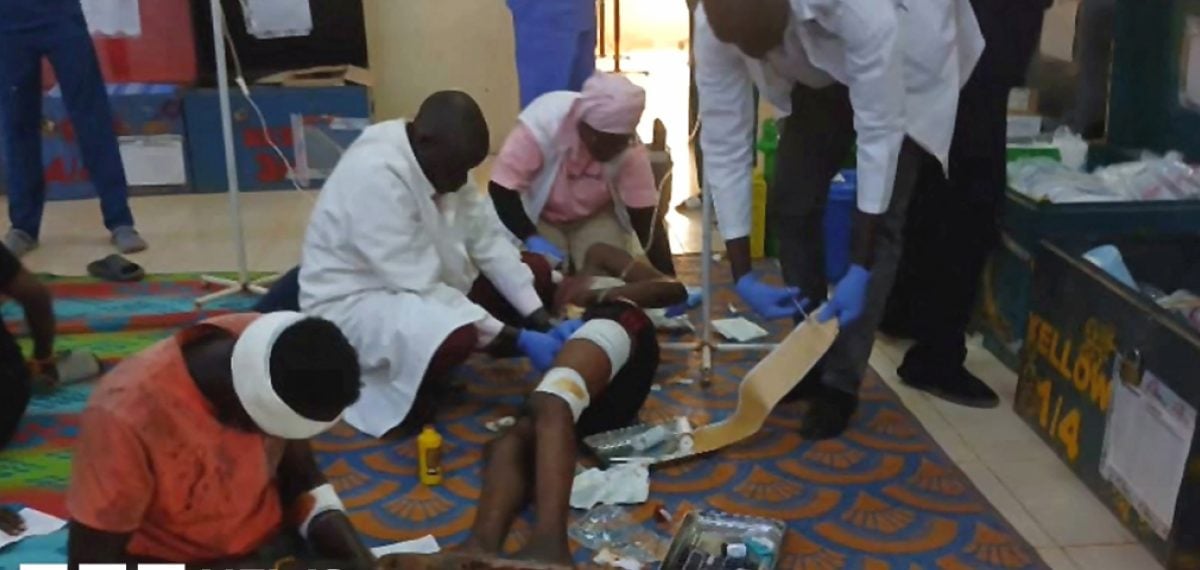
Independent checks by BBC Verify corroborated the damage at Amiet Market through satellite imagery and footage analysis. Emergency services reported difficulties recovering bodies due to ongoing fires and destruction at the site, and medical teams described receiving numerous burn and trauma victims.
The UN has warned that the widespread use of armed drones is compounding an already dire humanitarian situation. With roughly 20 million people facing acute hunger and parts of Darfur and Greater Kordofan at rising risk of famine, the strikes worsen food insecurity and disrupt essential services. UN spokesperson Stéphane Dujarric expressed alarm over the continuing civilian casualties and disruptions.
Medical charity Médecins Sans Frontières reported admitting over 20 patients from the Abyei attack to Ameth Bek Hospital, including multiple critical cases and victims with severe burns. Hospitals and emergency teams are stretched, treating traumatic injuries while coping with shortages and insecure conditions.
The conflict that began in 2023 between Sudan’s army and the paramilitary RSF has displaced millions and created one of the world’s worst humanitarian crises. Both sides have acquired armed drones from foreign suppliers despite partial arms embargoes, and drones have increasingly been used to strike populated targets.
Fighting in Kordofan—a strategic, resource-rich region linking Darfur to Khartoum—has intensified after the army reclaimed the capital. Analysts suggest many of the recent strikes were launched from army-held areas such as Kadugli in South Kordofan.
South Sudan summoned Sudan’s ambassador to formally protest the Abyei attack, reflecting growing bilateral tensions over the jointly administered border region. Observers worry that continued strikes could ignite cross-border incidents or broader regional instability.
Separately, a drone strike near Khartoum airport reportedly killed four people, including three children, while Sudanese air defences said they intercepted several drones launched by the RSF toward the airport.
Key points:
Humanitarian organizations and international observers continue to document the damage and call for urgent protection of civilians, accessible medical care and humanitarian assistance in affected areas.