14 Ekim 2026
kapalı


BNY and Citadel Securities complete first tokenized U.S. Treasury collateral transfer, marking a milestone in digital securities settlement innovation.
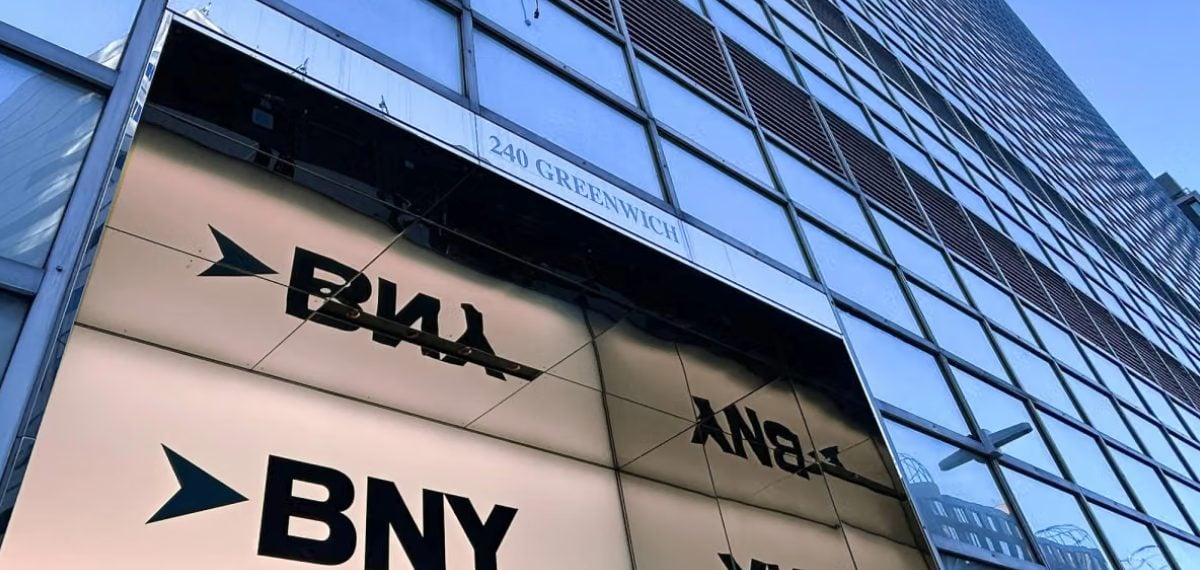
BNY Mellon and Citadel Securities have executed a transaction that used tokenized U.S. Treasuries to move collateral between settlement and financing workflows, illustrating a practical use of blockchain to accelerate asset mobility on Wall Street. The operation targeted high-quality government bonds — instruments commonly used to secure short-term loans and underwrite trading — and demonstrated how tokenization can reduce the time those assets are unavailable for other uses.
The experiment highlights an industry trend: major financial firms are exploring ways to place traditional securities onto distributed ledgers to shorten settlement cycles, automate operational tasks, and improve the agility of capital and collateral flows. Firms such as BlackRock, Franklin Templeton and JPMorgan have already piloted tokenized funds and securities as part of this broader shift.
The goal of the BNY–Citadel Securities effort was to show that a tokenized representation of a U.S. Treasury can seamlessly travel from post-trade settlement into financing arrangements, enabling quicker reuse of collateral and potentially freeing liquidity for additional transactions. Faster collateral reuse is a central benefit: by minimizing delays across the trade lifecycle, institutions can deploy assets more efficiently.
Dan Doherty, Citadel Securities’ digital assets operations lead, emphasized that efficient movement of high-quality collateral is essential to market functioning and that trimming lifecycle delays could improve institutional market operations. BNY Mellon indicated plans to expand its digital cash and tokenized deposit offerings to better support blockchain-based settlement and financing.
In addition to the tokenization effort, BNY Mellon said it intends to extend the operating hours of its traditional settlement systems for Federal Reserve–eligible securities and U.S. triparty transactions, with a target to better align with European and Asian trading hours next year. Triparty transactions — where a bank manages collateral between lenders and borrowers — are a common mechanism for short-term financing.
Carolyn Weinberg, BNY’s chief innovation and market transformation officer, described the initiative as enabling a more “connected, efficient and always-on financial system” by using tokenized Treasuries across both settlement and financing functions. The pilot serves as a concrete example of how tokenized government bonds might help reduce frictions in collateral flows and support round-the-clock market activity.