14 Ekim 2026
kapalı


Massive overnight strikes knocked out electricity for over 600,000 Ukrainians, disrupting services and prompting emergency restoration efforts.
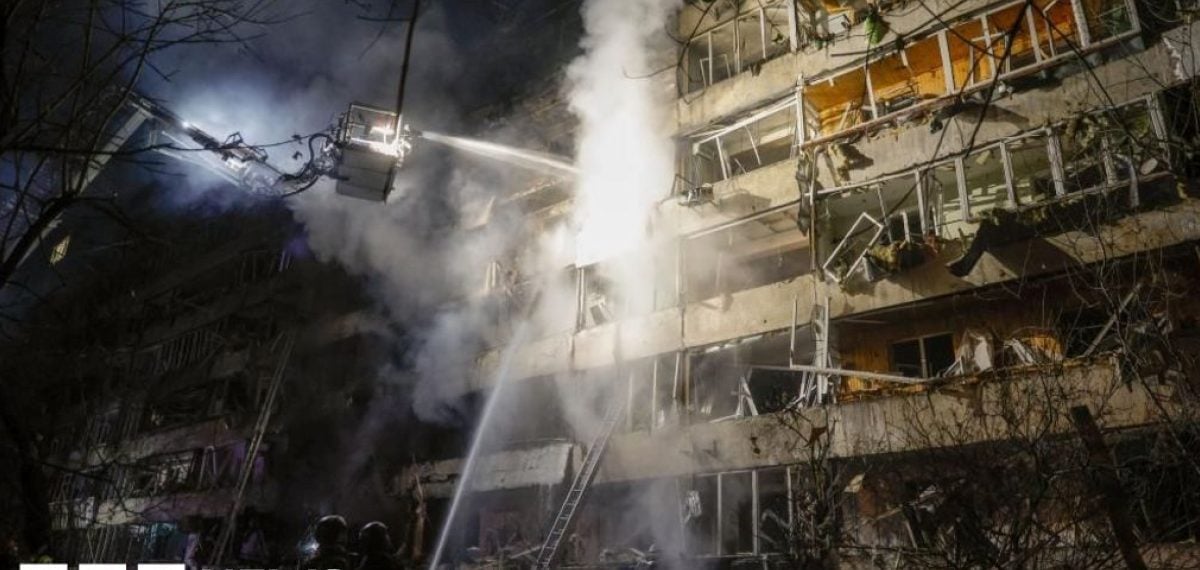
At least 600,000 people across Ukraine were left without electricity after overnight missile and drone strikes, President Volodymyr Zelensky said. The strikes hit critical energy infrastructure in Kyiv and the capital region and also affected the north-eastern city of Kharkiv.
Ukraine’s state emergencies service DSNS reported that in Kyiv at least three people were killed and 21 injured. Russia’s defence ministry described the strikes as “massive” and said they targeted communications and energy facilities in the Kyiv and Kharkiv regions that it said were used by Ukraine’s military.
Ukraine’s air force said Russia launched 39 ballistic and cruise missiles and 128 drones overnight, and reported that four of those missiles and 115 drones had been shot down.
The defence ministry of Russia additionally claimed that 902 Ukrainian drones had been shot down overnight over a number of Russian regions, including Moscow and Crimea.
On Sunday, former US President Donald Trump posted that an “energy ceasefire” was in place between Russia and Ukraine and urged it not to be broken. President Volodymyr Zelensky said Ukraine was ready to halt strikes on Russian oil refineries and other energy facilities if Moscow did the same. Russian Foreign Minister Sergey Lavrov said Ukraine did not deserve a respite under a ceasefire and warned Europe could supply Ukraine with more weapons during any truce.
Russian President Vladimir Putin launched a full-scale invasion of Ukraine in 2022, and Moscow currently controls about 20% of Ukrainian territory.
The strikes that left hundreds of thousands without power represent a deliberate blow to civilian infrastructure and highlight the ongoing targeting of energy and communications assets. Casualties reported in Kyiv underscore the immediate human cost while the scale of aerial operations claimed by both sides indicates sustained intensity of the conflict. Public statements from key figures reflect competing narratives about ceasefires and the strategic considerations tied to energy facilities.