15 Ekim 2026
kapalı


UK court curbs Chinese claimants seeking recovery of £3.8bn in seized Bitcoin, narrowing legal avenues in high-profile cryptocurrency dispute.
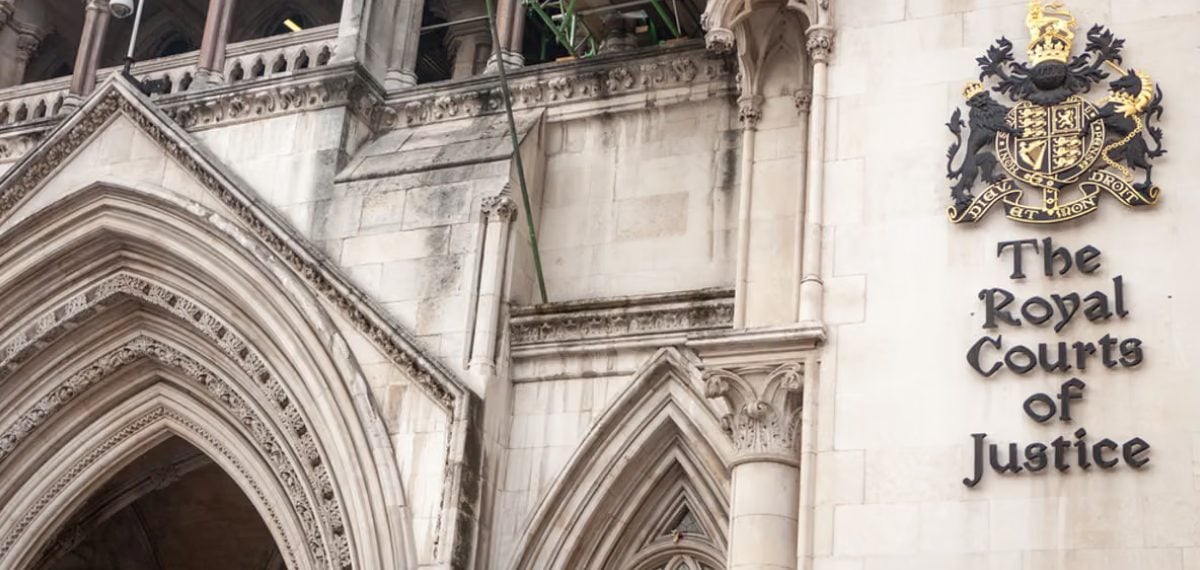
The London High Court has delivered a ruling that could significantly reduce the ability of thousands of Chinese investors to reclaim roughly £3.8 billion worth of bitcoin seized by U.K. authorities. The case centers on coins taken during an investigation into Zhimin Qian, who admitted running a large-scale fraud that diverted investor funds into cryptocurrency.
Qian, through her firm Tianjin Lantian Gerui Electronic Technology, orchestrated a Ponzi scheme between 2014 and 2017 that reportedly affected over 128,000 people. After converting illicit proceeds into bitcoin, she traveled to the U.K., where law enforcement eventually seized approximately 61,000 BTC as part of the probe.
Mr Justice Mark Turner concluded that the *crucial events* — including the making of false representations, the contracts induced by those misrepresentations, and the economic harm suffered — all occurred in China. Consequently, the judge held that Chinese law, rather than English law, should determine whether the investors have property rights in the seized coins. The ruling therefore narrows the legal pathways available to the victims under English law.
“The relevant damage occurred in China. The applicants parted with their money in China,” the judgment explains, summarizing the basis for applying Chinese law to the dispute.
The decision is not the final word on ownership of the bitcoin. It does, however, make it less likely that a broad class of Chinese victims will recover the assets through English courts. The victims’ legal team has indicated they will appeal, and the Crown Prosecution Service has said a subsequent hearing will consider whether any individual claimants can establish an interest in the coins.
In short:
By contrast, U.S. authorities have already integrated seized crypto into official holdings. In March 2025 the U.S. established a strategic reserve made up of cryptocurrencies obtained through enforcement actions; these assets were not purchased with taxpayer funds. Public-chain analyses show government-controlled addresses holding an estimated $25.8 billion in crypto, according to Arkham Intelligence.
Implication: Different national approaches to seized crypto — and the choice of applicable law — can materially affect victims’ recovery options and whether seized digital assets end up retained by the state.