07 Temmuz 2026
açık


Beijing firms expand robotaxi services despite safety concerns and export hurdles, balancing innovation, regulation and market growth.
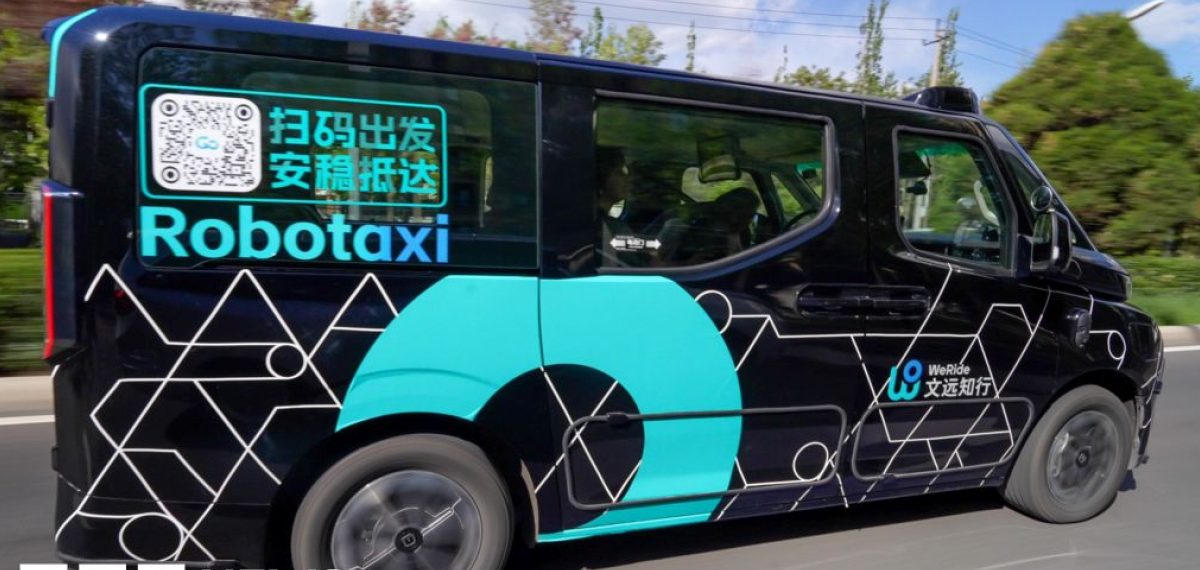
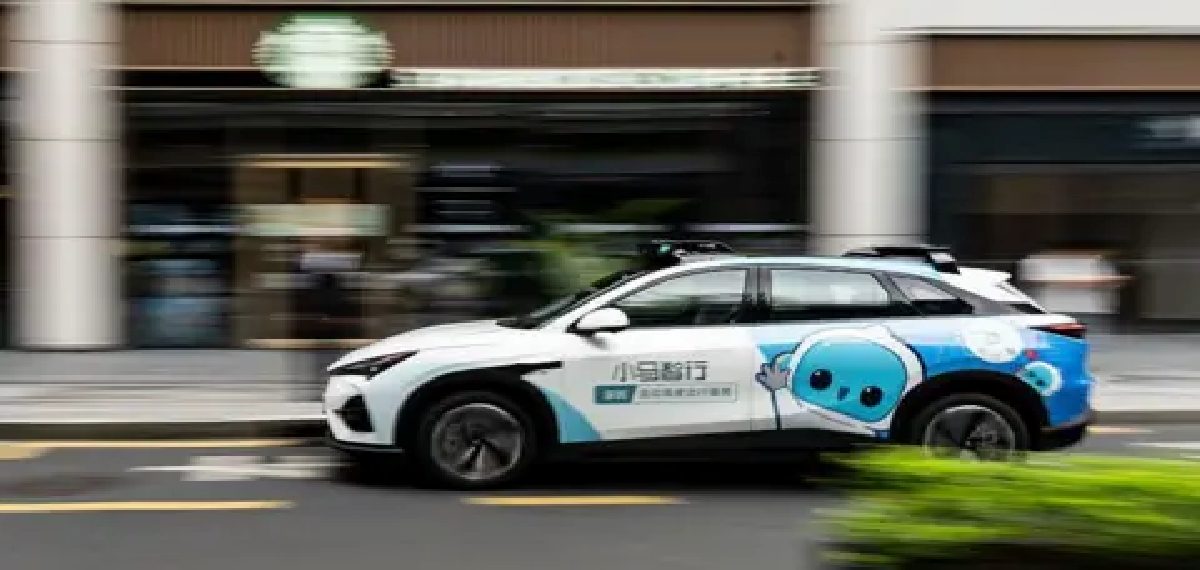
Chinese autonomous driving companies are operating commercial robotaxi services in Beijing’s Yizhuang district, industry sources and company statements show, with firms such as Baidu, WeRide and Pony.ai running unmanned passenger vehicles on public roads since recent pilot programmes began; the most important outcome is rapid commercialization supported by China’s EV supply chain and government testing frameworks.
Robotaxis in Yizhuang are booked through mobile apps and arrive without drivers, then navigate Beijing traffic—buses, scooters, cyclists and pedestrians—while passengers confirm trips on in-car touchscreens, companies report.
Industry executives and analysts say China’s existing electric vehicle ecosystem provides a cost and scale advantage. Automakers including BYD, Chery, Geely and SAIC supply chassis and batteries, while specialist firms develop autonomous software and sensors, creating overlapping industrial ecosystems that speed development, according to Kyle Chan of the Brookings Institution.
Government pilot programmes in multiple cities allow on-road testing, and China’s complex traffic environment generates large amounts of driving data, WeRide’s chief marketing officer Maeve Zhang told the BBC, helping to refine algorithms under mixed and unpredictable conditions.
Companies are also applying autonomy beyond taxis. QCraft says its software runs in passenger cars, autonomous buses and delivery vehicles across more than 20 Chinese cities and in overseas deployments as it expands, the company’s chairman James Yu said, forecasting wider adoption within five to ten years.
Despite domestic progress, firms face hurdles when expanding abroad. Waymo remains the commercial leader in the US, operating paid driverless services, and analysts note Waymo’s user experience and app ecosystem set high standards for customer service.
Technical challenges in other regions—extreme heat in the Middle East, heavy rain in Southeast Asia, and snow in Switzerland—could degrade batteries and sensors, Zhang warned, complicating rapid international rollouts.
Safety incidents have also affected public trust. Baidu’s Apollo Go reportedly suffered a software malfunction that stranded about 100 robotaxis in Wuhan, with some passengers unable to open doors; services were briefly suspended. Separately, GM’s Cruise scaled back operations after a crash and regulatory scrutiny in California.
Regulatory, mapping, local operations and public trust issues make robotaxis harder to export than electric vehicles, analysts say, while geopolitical concerns arise because robotaxis collect extensive mapping and location data that could raise national security questions in foreign markets.
Companies and some regulators remain optimistic. WeRide says governments in China and some international markets are issuing supportive policies and regulations, and industry backers, including Chinese leadership, promote AI and robotics as part of a broader strategy to build new productive forces linked to batteries, motors and digital technologies.