22 Temmuz 2026
açık


UK nationalises British Steel; Beijing issues a strong protest as London cites economic security and industry stabilization in a high-stakes move.
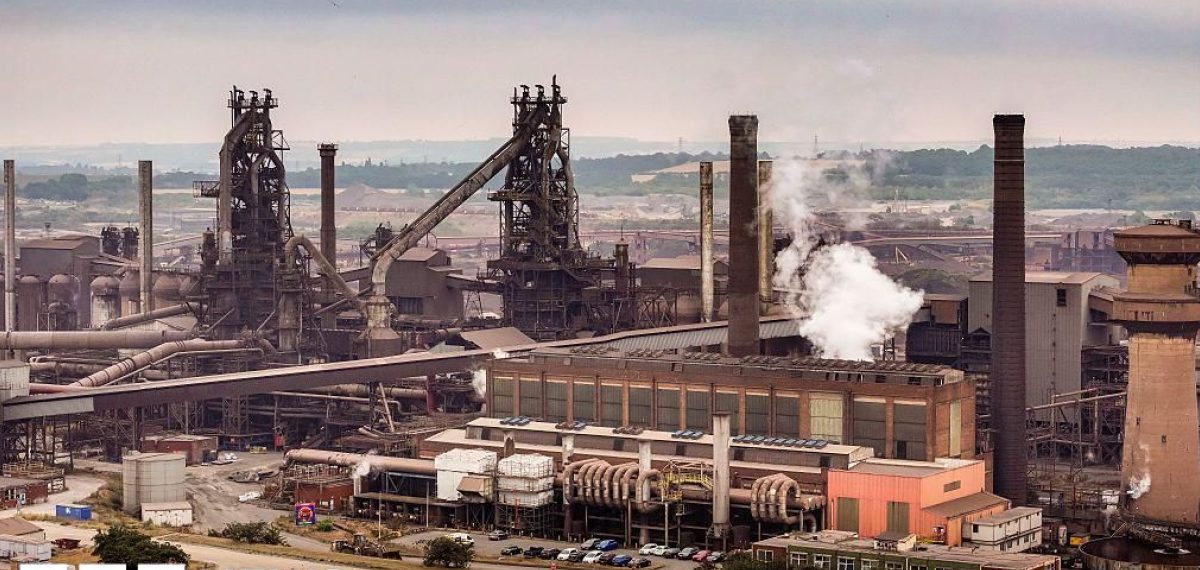
The UK government took British Steel into public ownership on Thursday, citing protection of jobs and a vital national capability, while China’s commerce ministry said on Friday it “firmly opposes and is strongly dissatisfied with the British government’s decision.”
The move follows legislation passed by Parliament allowing state intervention in the steel industry when a public interest test is met. British Steel’s Scunthorpe operations were taken under government control; ownership had remained with China’s Jingye Group, which Beijing says had its legitimate rights infringed.
Beijing’s statement accused the UK of disregarding Jingye’s contributions to the British economy and society and said the forced move undermines confidence of Chinese investors in the UK. The ministry said it would monitor developments and support Chinese firms to protect their rights, without specifying further action.
Jingye has signalled it will seek compensation, having previously said the business lost £700,000 a day. The government now has the power to decide the plant’s future and keep blast furnaces operating, but ministers acknowledge the operation is costly.
Business Secretary Peter Kyle told the BBC the government would fund running costs “for the immediate future.” The National Audit Office estimated the Scunthorpe site was costing the state about £1.3m a day in March, and current figures suggest the burden exceeds a million pounds daily.
Andy Burnham is set to become prime minister on Monday, and the decision risks adding strain to UK–China ties at the start of his tenure. The incoming administration will need to balance national security considerations and job protection against the economic and diplomatic costs of antagonising a major trading partner.
The nationalisation underscores a shift in how strategic industries are treated under UK policy: national security tests can override foreign ownership even where private investors have been maintaining operations. For markets, that raises questions about the predictability of the UK investment climate and may prompt foreign investors to reassess sovereign risk premiums.
Domestically, short-term protection of jobs and continuity of steel production reduces immediate social and regional economic disruption in Scunthorpe, but leaving the business in state hands is unlikely to be sustainable long-term given the high daily costs. Politically, the move signals a government prepared to prioritise industrial resilience and employment ahead of investor relations.
For Chinese firms, the episode could encourage more cautious approaches to outbound investment in sensitive sectors, or push for stronger legal guarantees and dispute-resolution mechanisms in bilateral treaties.