09 Ekim 2026
açık


Trump will personally fund his TV ads, ending use of campaign funds for public financing; implications for campaigns and accountability examined.
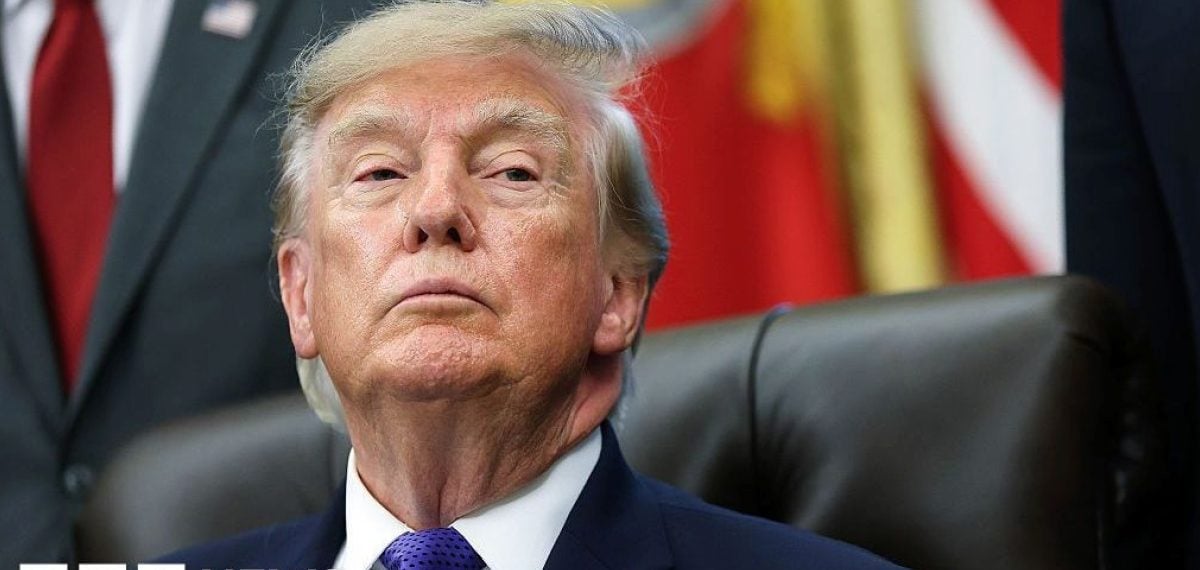
President Donald Trump announced on social media that he will stop using U.S. taxpayer funds to pay for television advertisements he had previously funded, and that he will instead finance the so-called “Patriotic Ads” with money raised through his MAGA Inc super political action committee.
The ads, which praise the president and his policies and reference topics such as tax cuts, U.S. manufacturing and law and order, had prompted bipartisan criticism and legal questions because laws bar using government funds for political advertising. The White House had defended the spots as educational public service announcements and cited past administrations’ advertising on issues like healthcare and Covid-19 vaccination.
Critics and legal experts questioned the legitimacy of the ads’ purpose. Legal ethics expert Margaret Dylus-Yukins told the BBC that it is difficult to see a legitimate government purpose for spending taxpayer dollars on ads whose apparent aim is to promote the president.
Political responses spanned both parties. Democratic Senator Maggie Hassan introduced a Senate measure denouncing the administration for using government funds for the ads; the measure stated that the advertisements should not be paid for by the United States government and was blocked by a Republican. Republican leaders also expressed reservations. Senate Majority Leader John Thune said he liked the message but that it should not be paid for with taxpayer dollars, and Senator John Kennedy argued that public officials should not use public money for private promotional ads.
The decision to shift payment from government funds to Trump’s MAGA Inc PAC removes a key legal and political contention point by aligning the funding source with conventional political financing. The move addresses bipartisan criticism about the use of taxpayer dollars while leaving intact the core content and messaging of the ads. Debates about the appropriate boundary between informational government communications and promotional political messaging remain central to how stakeholders interpret the administration’s earlier spending choices.