05 Ağustos 2026
açık

Targeted harassment campaign targets at least 80 female councillors in Ireland, exposing coordinated abuse and threats to public service integrity.

The Association of Irish Local Government (AILG) says at least 80 female councillors across the Republic of Ireland have reported a coordinated campaign of harassment involving disturbing and sexually inappropriate phone calls, prompting a national police investigation and outreach from the association.
AILG president Aengus O’Rourke described the reports as deeply concerning and said no elected representative should face intimidation for carrying out public duties. An Garda Síochána said its special detective unit is investigating the matter at a national level and that liaison officers have been appointed in every Garda division to provide support.
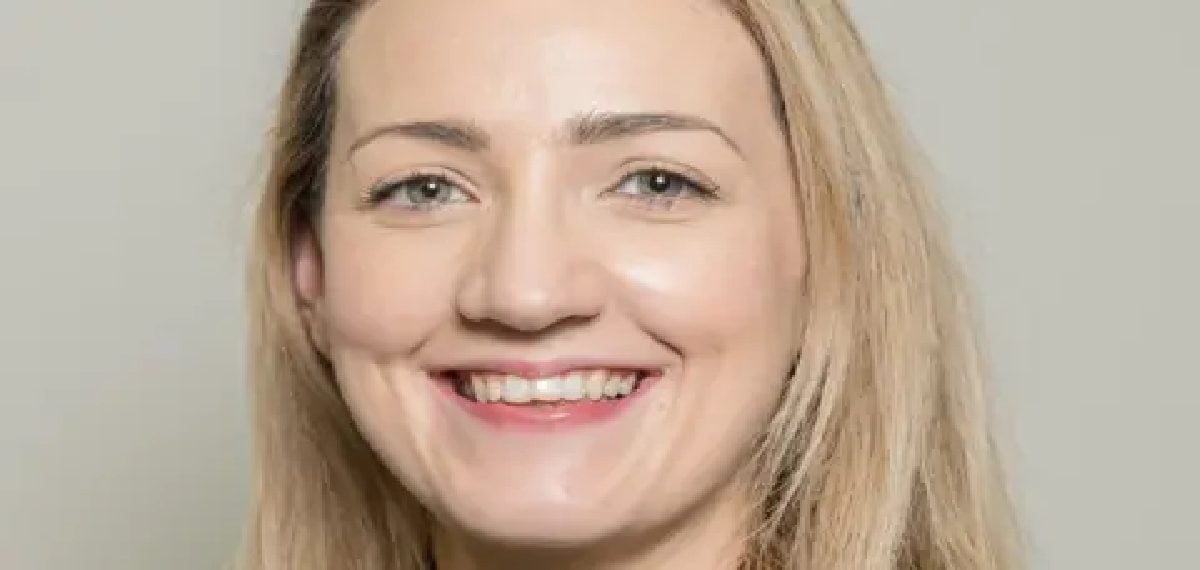
Donegal councillor Dakota Nic Mheanman told Donegal Daily she received sexually explicit calls that made her feel extremely uncomfortable; the caller rang back within a minute after she hung up and continued attempting contact throughout the day and evening. In a social media statement she thanked AILG for raising the issue and said female politicians would not be intimidated from doing their work, adding she will no longer answer private or withheld numbers.
AILG head of operations Elaine Lynch said the association contacted every female councillor in the Republic of Ireland to alert them to the pattern, to offer advice on screening calls and reporting incidents, and to encourage use of published contact channels rather than withheld numbers. Lynch said the behaviour, while directed at women, amounted to an attack on local democracy itself.
At least 80 female councillors from different political parties reported receiving disturbing and sexually inappropriate calls. An Garda Síochána’s special detective unit is investigating nationally and has appointed liaison officers in every division. AILG contacted all female councillors to provide guidance on screening calls and reporting, and urged constituents to use identifiable contact methods.