04 Ağustos 2026
açık

Police podcast reexamines Aurora cold cases, prompting new tips and renewed investigations to bring closure to families and communities.

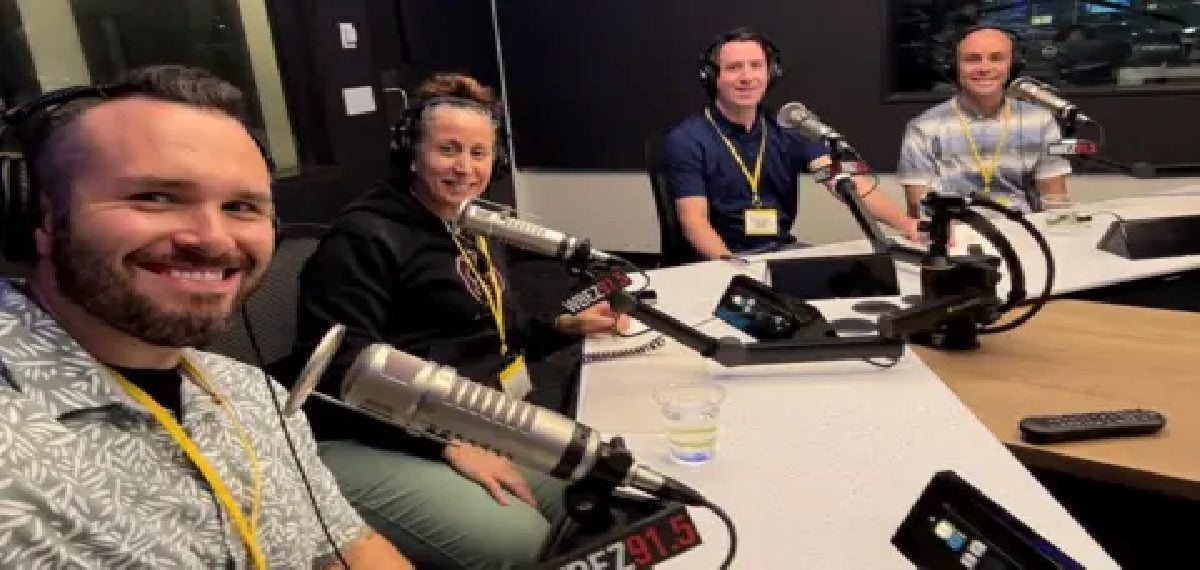
The Aurora Police Department released a podcast in June about the 2016 stabbing death of 21-year-old Chelsea Yasser, officials said, aiming to reach new witnesses and generate investigative leads while detectives pursued DNA analysis and other lines of inquiry.
APD public information officer Joe Moylan said the department deliberately used the popular true-crime format to broaden awareness of the case, which investigators have described as their “White Whale” because it has long haunted the department. Yasser was found fatally stabbed in a shopping-centre parking lot after exiting a minivan; grainy surveillance captured the vehicle but not a clear suspect image, and recovered DNA did not match profiles in the system.
By the end of July the podcast had 7,184 downloads, Moylan reported, and produced several tips investigators continue to pursue. At the time of release, detectives were re-testing the DNA with new forensic genealogy technology and updated listeners on fresh avenues of inquiry.
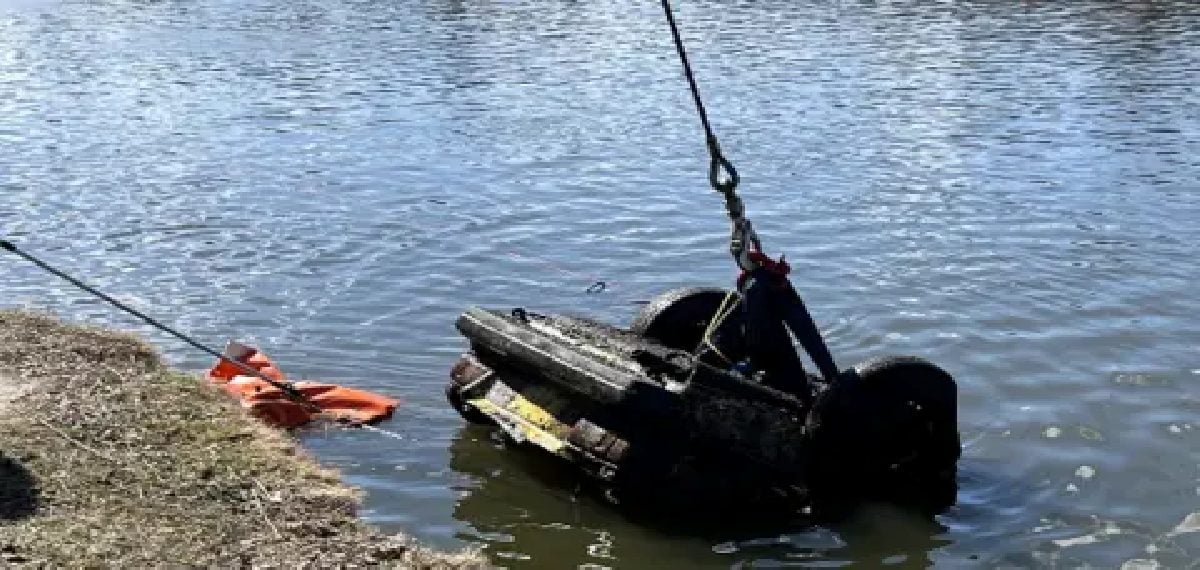
Other US police departments have taken similar approaches. Newport Beach produced a podcast about fugitive Peter Chadwick that preceded his capture in Mexico about 10 months later; the programme drew controversy for referring to Chadwick as a “murderer” despite his not yet being tried at the time of broadcast, though he later pleaded guilty. In Illinois, Elgin Police Department’s podcast Somebody Knows Something helped prompt searches that led to the discovery of missing Karen Schepers and her car in the Fox River after more than four decades.
The rise in police-produced true-crime podcasts shows departments aiming to harness popular audio storytelling to widen public reach and elicit tips. Departments cite benefits including broader public awareness, renewed investigative focus and the ability to present their account of events, while acknowledging resource constraints and legal concerns. In several cases the podcasts have produced actionable leads, and departments report using episodes to update the public on forensic developments and ongoing searches.
Producers and investigators stress the workload and resource demands of sustained podcasting, noting not all agencies have the staff, budget or expertise to produce episodic content. Some departments have expressed legal and ethical caution about language and presumption of innocence when presenting active or unresolved cases.