11 Temmuz 2026
açık


Channel Islands unions support workplace heat limits as islands confront a third 2026 heatwave, urging protections for workers and urgent safety measures.
Channel Island unions and officials discussed measures to protect workers as Guernsey and Jersey face their third heatwave of 2026, Unite the Union in Jersey said on Friday, warning that employers must keep staff safe and consider mitigation steps.
Unite’s James Turner said the union supports introducing maximum workplace temperature limits in the interest of workplace safety and stressed that employers already have a duty of care to ensure a “reasonable” working temperature under current legislation.
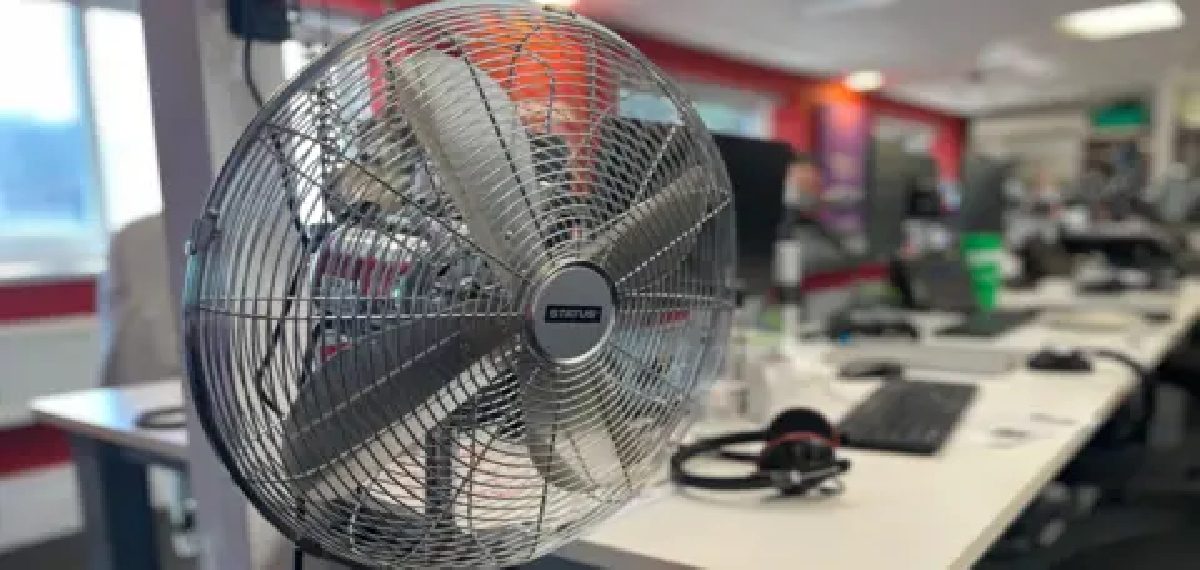
The union called for practical mitigation such as blinds, open doors and windows for airflow, fresh drinking water, additional breaks, fans and air-conditioning where applicable, and urged workers to report any safety concerns immediately to management.
Unite the Union Guernsey said on Facebook it is campaigning for a legal maximum working temperature, arguing there is ambiguity around what constitutes a reasonable temperature and that stronger protections are needed to keep workers safe on the job.
The States of Guernsey said heat is legally classed as a workplace hazard and therefore carries legal obligations, noting existing rules that indoor workplace temperatures should normally be at least 16°C, or 13°C for work involving rigorous physical effort.
Robin Gonard, the States of Guernsey’s Chief Health and Safety Officer, cautioned against a blanket maximum temperature and urged attention to the built environment, adapted working patterns and other workplace adjustments to respond to climate change.
Gonard pointed to practices in southern Europe, where workers often avoid the hottest hours by taking breaks and resuming work later in the day, and said such cultural changes may be needed in the islands’ typical 09:00–17:00 or 08:00–16:00 working patterns.
The Government of Jersey said employers should assess risks under the Health & Safety at Work (Jersey) Law 1989 and implement controls to protect staff, suggesting best practices including encouraging hydration, providing access to cooler environments, adjusting working arrangements where appropriate and reminding employees to take breaks and report concerns.
Jersey Met forecast temperatures up to 34°C on Friday, two weeks after Jersey recorded a local high of 39.3°C. The governments of both islands and unions are urging practical steps to safeguard workers as extreme heat events recur.