21 Eylül 2026
açık


Sri Lanka deploys drones to combat a dengue surge, aiding surveillance and relief as health services strain under rising cases and resource shortages.
Sri Lanka has faced a sharp rise in dengue cases this year, with 56 deaths and over 77,000 infections reported, prompting authorities to deploy military drones and inspectors to detect and eliminate mosquito breeding sites across the island, health officials said.
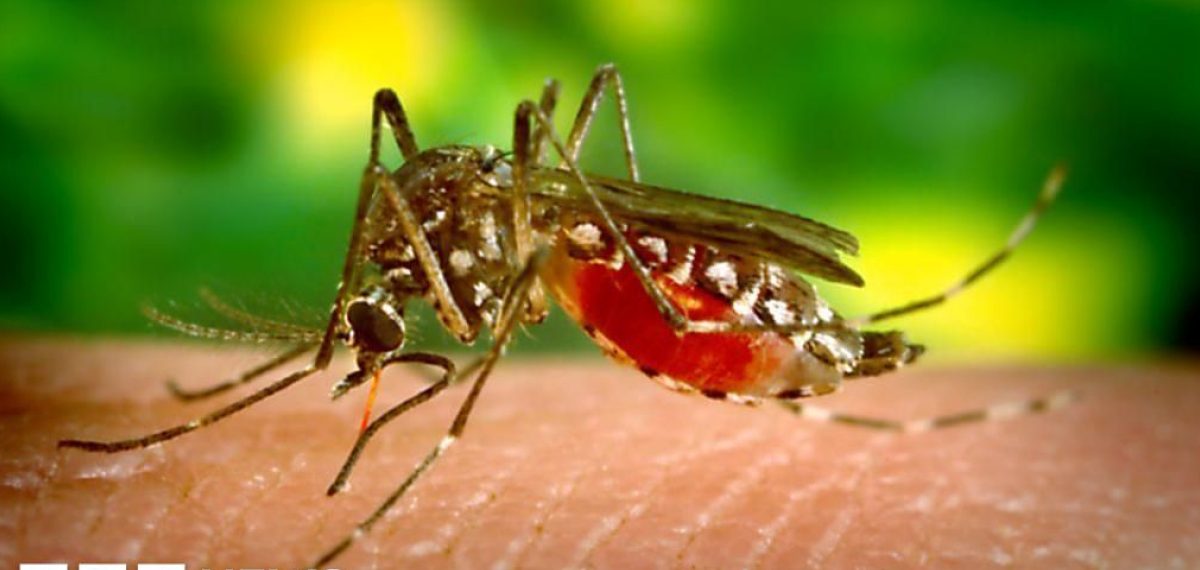
Officials attribute the outbreak to conditions left by a cyclone last December that created new stagnant-water sites where Aedes mosquitoes breed. The government has used drones to scan rooftops of homes, schools and construction zones while police and public health teams carry out physical inspections.
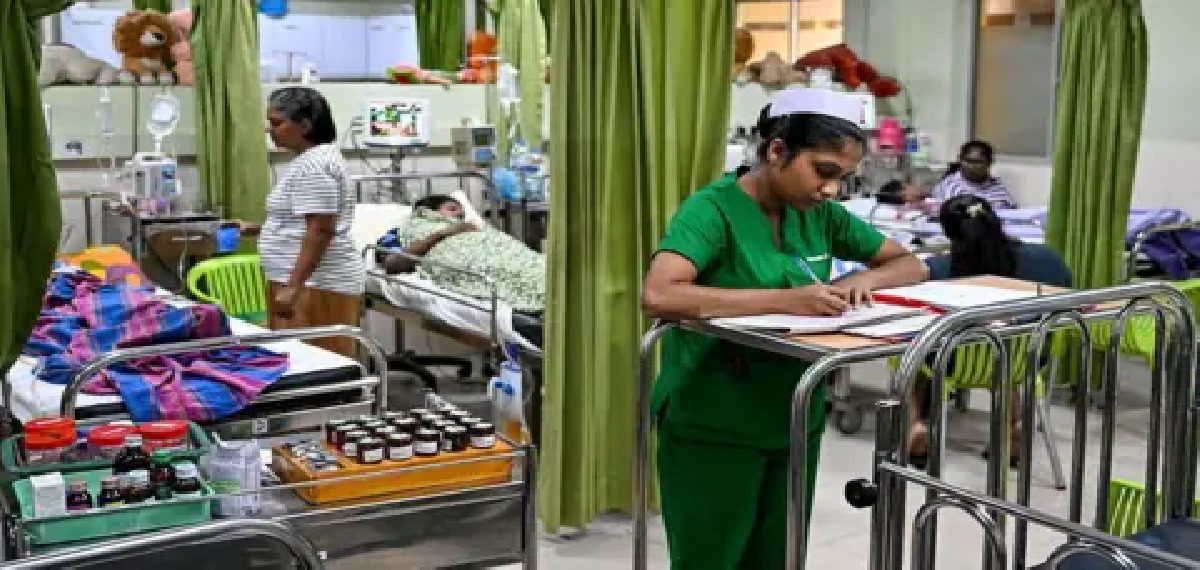
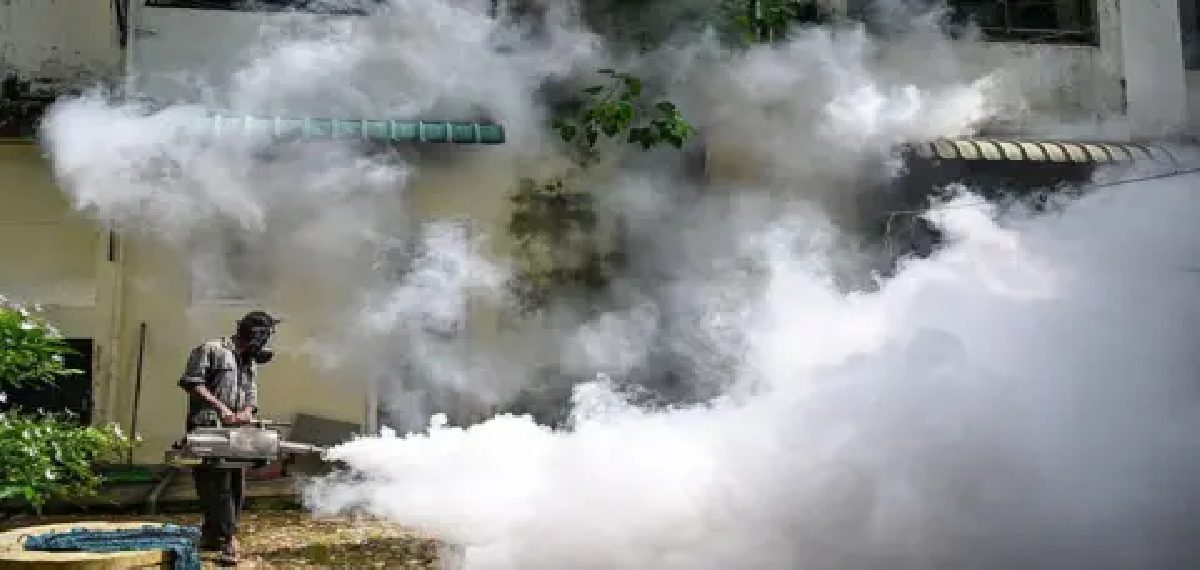
Nearly 11,000 breeding sites were cleared this month and more than 4,000 premises were fined for harboring mosquito habitats, authorities reported. Hospitals have added beds and extended hours as staff manage high patient numbers and severe cases linked largely to a more virulent dengue strain.
Health officials noted many infections concentrate in urban areas such as Colombo. Doctors have advised patients with mild symptoms to recover at home due to capacity constraints, and severe cases continue to require hospital monitoring because dengue can cause internal bleeding and death.
The outbreak has strained public health resources and led authorities to combine surveillance technology with on-the-ground inspections. Official statements highlight the role of post-cyclone conditions in expanding breeding sites, the predominance of a more virulent strain in recent cases, and measures taken to clear sites and sanction premises.
Authorities reported the deployment of drones to scan rooftops, the clearing of nearly 11,000 breeding sites in the month, and fines issued to over 4,000 premises; hospitals have increased capacity and advised home care for mild cases.