04 Eylül 2026
az bulutlu


Blogger detained and veteran politician barred as Kremlin intensifies crackdown, raising concerns over political repression and freedom of expression.
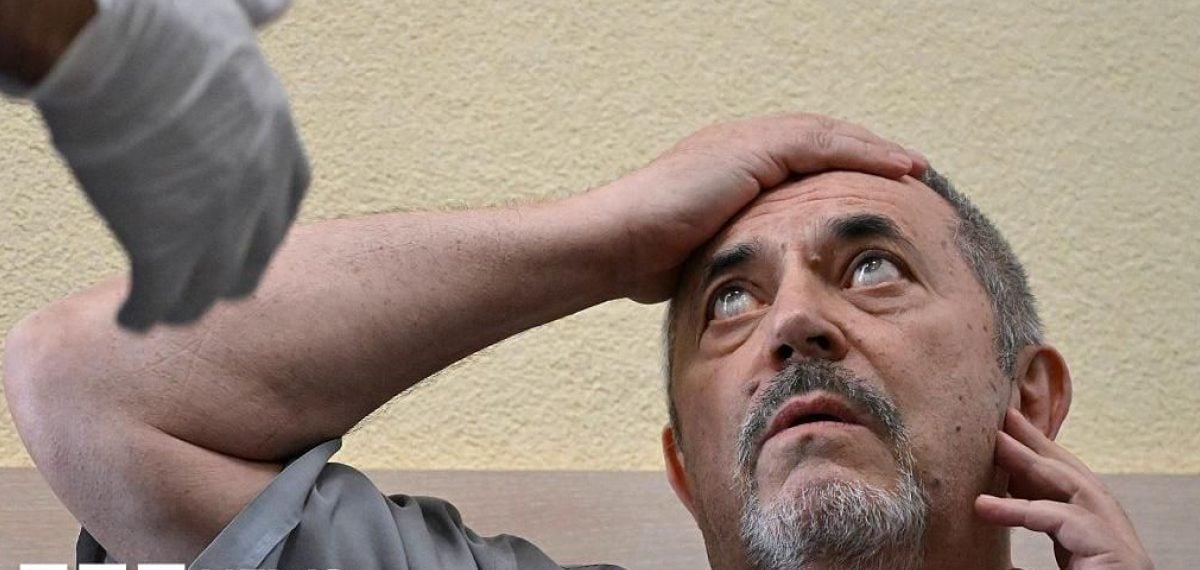
Ilya Remeslo, a former pro-Kremlin blogger who publicly renounced Vladimir Putin in March, was remanded in custody for two months on suspicion of spreading false information about the military, while veteran politician Boris Nadezhdin was convicted over a reposted image and barred from collecting signatures for the September Duma elections.
Remeslo’s arrest followed a March 2026 Telegram post titled “Five reasons why I stopped supporting Vladimir Putin,” in which he called the president a “war criminal and thief,” criticised economic damage and restrictions on internet and media freedom, and warned of elite infighting. He was detained in St Petersburg and taken to a Moscow court, where his lawyer confirmed pre-trial detention for 60 days.
Nadezhdin, 63, was convicted of “displaying extremist symbols” for a 2023 repost that briefly showed an image of Alexei Navalny; the ruling imposes a 1,000 rouble fine and prevents him from gathering signatures to register as a parliamentary candidate. He was also declared a “foreign agent” prior to the conviction and has been barred from leaving Russia.
Authorities previously prevented Nadezhdin from standing in the presidential race two years ago by rejecting his submitted signatures; he has publicly positioned himself as a pro-peace politician and has health issues including high blood pressure and diabetes. During a recent court appearance in Dolgoprudny he briefly fell and said his accounts had been frozen, leaving him unable to pay the fine.
Remeslo says he was forcibly hospitalised in a psychiatric ward for a month after his March post and alleges the confinement was against his will. On the eve of his arrest he posted on Telegram that “the situation is getting worse rapidly for Putin,” citing energy shortages and elite tensions.
The detentions signal a continued narrowing of permissible dissent inside Russia: remaining domestic critics face legal designation, movement restrictions and financial controls that together prevent electoral participation. Politically, removing even marginal opposition figures shrinks channels for non-exiled dissent and raises barriers for any peaceful political alternative ahead of the Duma vote.
Economically and societally, targeting outspoken figures who cite infrastructure and energy problems seeks to curb narratives that could undermine public confidence amid fuel shortages after Ukrainian strikes on refineries and storage. The measures also carry reputational costs internationally as Western states scrutinise high-profile cases like Navalny’s death and subsequent treatment of critics.