21 Eylül 2026
açık


Federal Reserve hikes US interest rate to 3.75%–4% as it combats persistent inflation, signaling tighter monetary policy and economic caution.

The Federal Reserve raised its policy rate to 3.75%–4% from 3.5%–3.75% in a unanimous decision, citing persistent inflation and the economy’s relative strength, Fed Chair Kevin Warsh said at a press conference following the move.
Warsh described the increase as a sober and responsible step aimed at addressing high inflation. He noted the Fed cannot control individual prices such as oil or groceries but can act to prevent broader price increases across the economy.
The 0.25 percentage point hike is expected to influence borrowing costs, with major banks JP Morgan, KeyCorp and BNY already raising their prime lending rate to 7% from 6.75%, affecting credit cards and personal loan rates.
Mortgage rates have risen over the past year, with average 30-year fixed mortgages at 6.76% and 15-year fixed mortgages at 6.09% according to Freddie Mac, though many homeowners on fixed-rate loans will not see immediate changes in monthly repayments.
The Fed emphasized that inflation remains too high and highlighted the U.S. economy’s strength as a factor in the decision. Officials indicated a majority expect further rate increases this year to a 4–4.25% range, with some forecasting higher ranges before eventual cuts projected in later years.
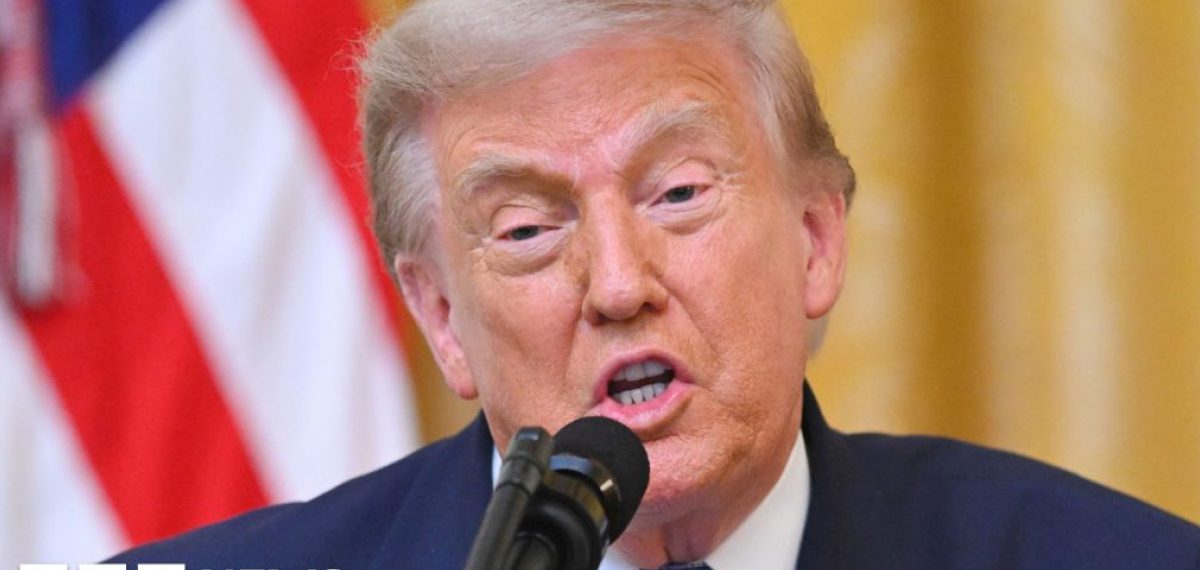
Warsh declined to speculate personally on future rate paths and reiterated the Fed’s institutional independence while acknowledging public commentary from President Donald Trump calling for lower rates.