23 Temmuz 2026
açık


Portland park football brings immigrants together, organisers say, offering community and support amid ICE raids and mounting immigration tensions.
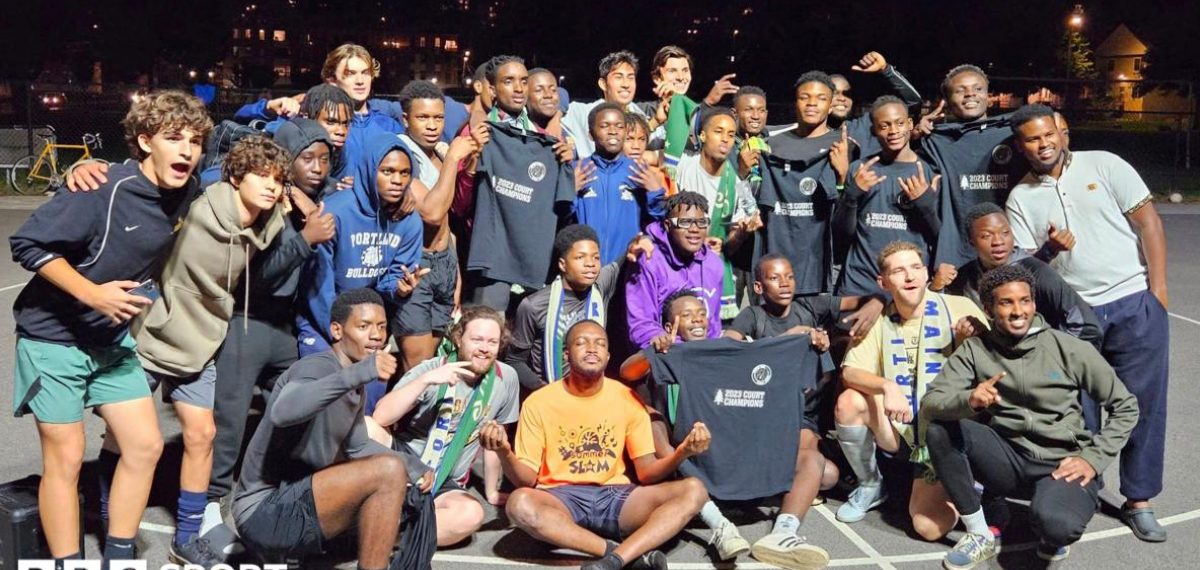
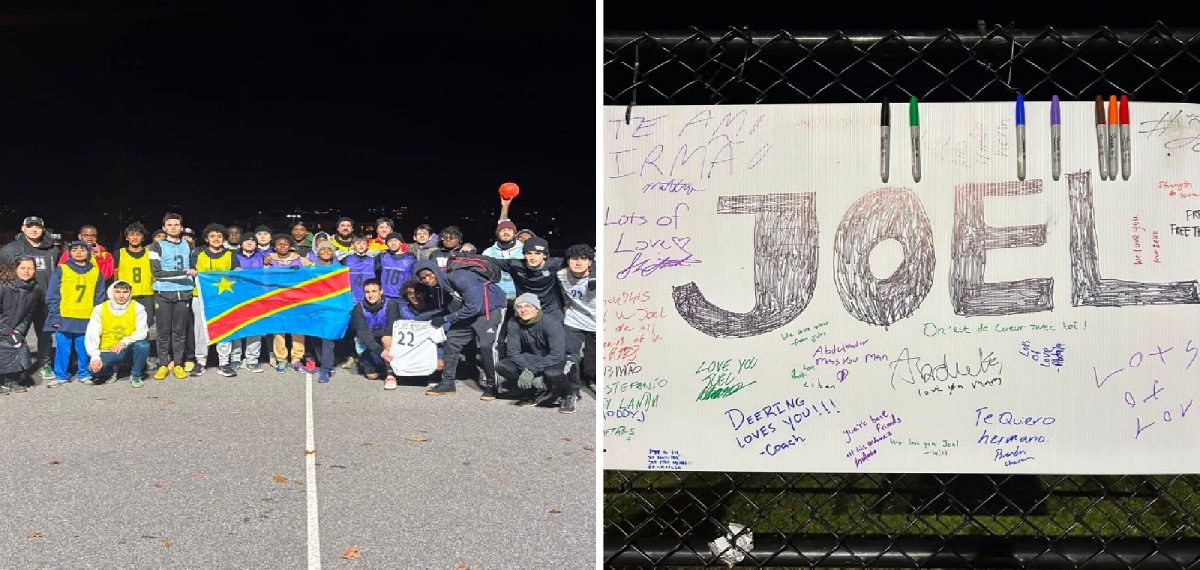
What happened, where, who announced it, when and key outcome: Kennedy Park in Portland, Maine, became a focal point for immigrant and refugee integration through regular pick-up football games, organisers and participants told BBC Sport Africa in reporting around the 2026 FIFA World Cup. The informal matches, begun in 2021, provided social support and practical aid during a wave of US Immigration and Customs Enforcement (ICE) raids in 2025 that disrupted lives; organisers coordinated grocery deliveries and campaigned for detained players, resulting in the eventual release of a 17-year-old participant after four months in detention.
The pick-up games at Kennedy Park have grown since 2021 into a multicultural community where people from dozens of countries gather to play football, according to players and coordinators interviewed by the BBC. Teenagers such as George Lusolo, who arrived from the Democratic Republic of Congo in 2018 seeking asylum, described the matches as a vital social outlet and a way to connect in a new country.
Participants said the games operate through nonverbal communication and shared culture, helping newcomers adapt even when language barriers exist. Eighteen-year-old Deji Kuribanza, also from the DRC, said players communicate simply by pointing to the ball or indicating a pass, allowing diverse groups to play together.
Last year’s ICE raids across Maine heightened fear among the immigrant community, organisers said. The Migration Policy Institute estimates at least 400,000 people were arrested by ICE since January 2025, a figure cited in the BBC report. Officials argue the operations targeted individuals who threaten public safety and national security, while rights groups say many detained were low risk.
At Kennedy Park, organisers reported that families and students avoided leaving their homes and some children missed school during the raids. Anthony Fiori, who coordinates the games, said the community responded by delivering more than 70 grocery packages to those unwilling to venture outside and by mobilising support for detainees.
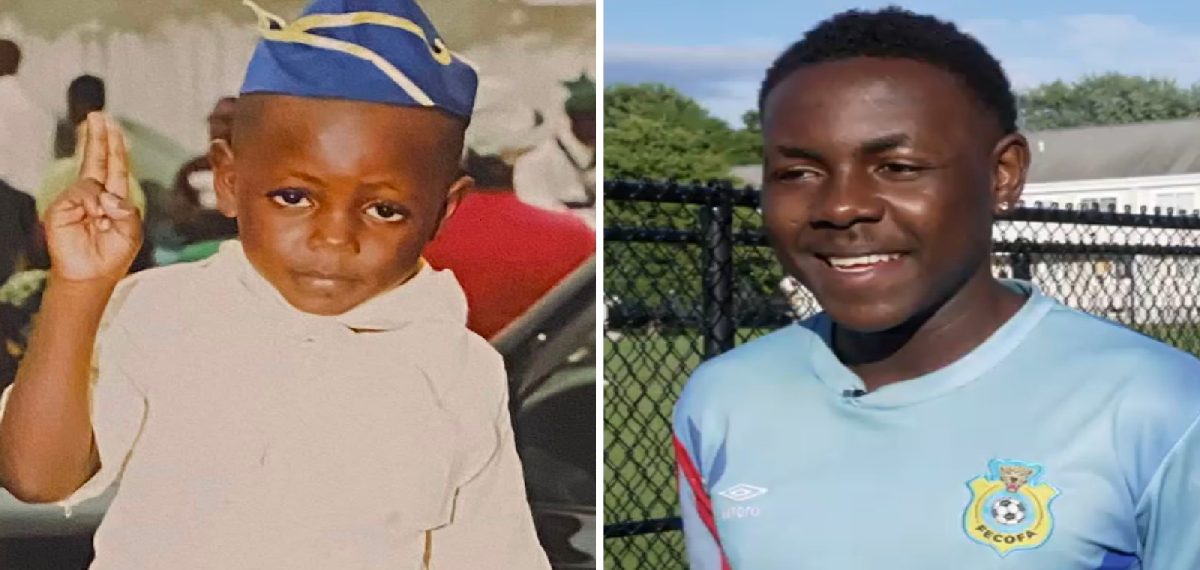
One high-profile case involved 17-year-old player Joel Andre and his family, who were detained after their initial asylum claim from the DRC was denied and a subsequent attempt to seek asylum in Canada ran into procedural barriers. Attorney Todd Pomerleau, who represented the family, described harsh detention conditions and said Joel continues to bear psychological effects despite being released after four months.
Organisers and players emphasised that visibility on the field helped challenge negative perceptions of immigrants. Spectators seeing smiling, active community members at the park, they said, painted a different image than the stereotypes often presented in public discourse.
Anthony Fiori highlighted the broader social value of the project, noting his own deep family roots in Maine and describing Kennedy Park as a space where diverse cultural backgrounds and generations can mingle. Players also drew inspiration from the proximity of the FIFA World Cup matches in the United States, with some expressing ambitions to play at higher levels and to represent their countries internationally.
Those involved said football’s universality binds the community, offering both practical support during crises and hope for the future. For many at Kennedy Park, the sport remains a common language that fosters connection, resilience and a sense of belonging in a challenging political climate.