11 Eylül 2026
açık


Ukraine appoints Maj Gen Mykhailo Drapatyi as new commander-in-chief amid major leadership change, signaling strategic shift and renewed military direction.
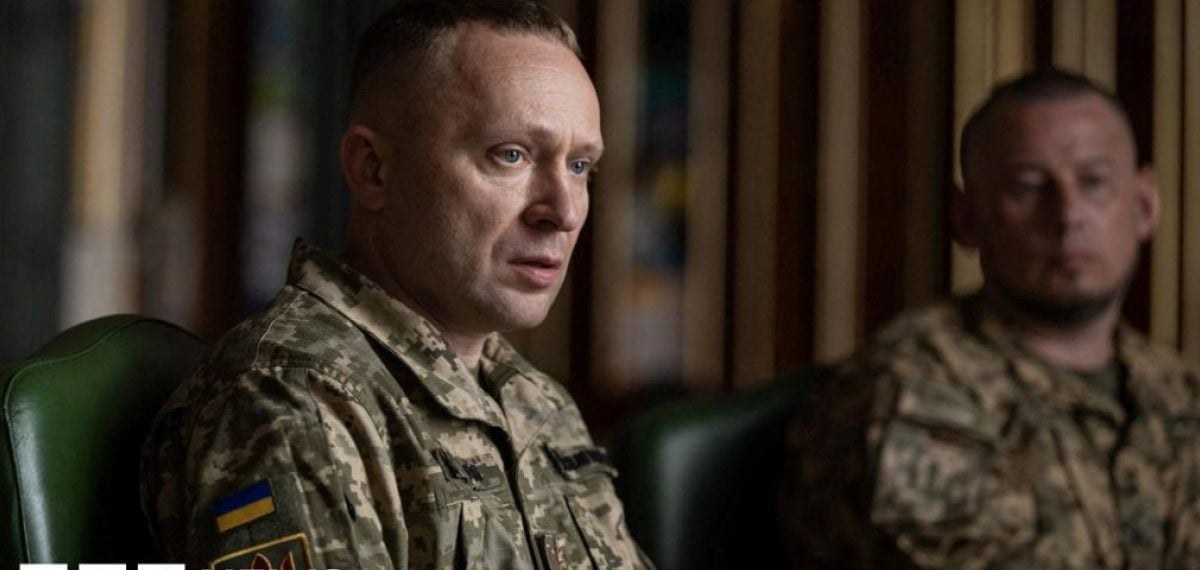
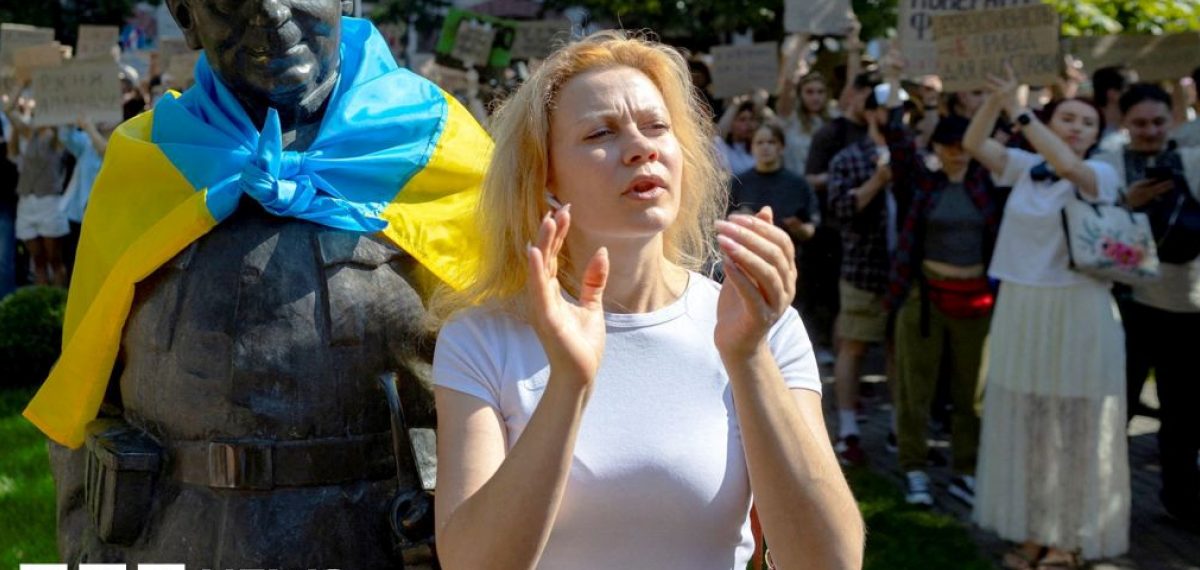
Maj Gen Mykhailo Drapatyi, 43, has been named Ukraine’s commander-in-chief, replacing Oleksandr Syrskyi in a move confirmed by official appointment. The decision drew public support during protests that had called for Syrskyi’s removal, and Drapatyi’s nomination was welcomed by both civil society and military personnel.
Drapatyi’s reputation rests on extensive service in Ukraine’s post-Soviet armed forces, field leadership and a record of operational command since graduating from the Kharkiv Institute of Tank Troops in 2004. He rose to national attention in May 2014 when footage showed his infantry fighting vehicle breaching a makeshift barricade during operations in Mariupol to free hostages held in the city’s police department.
In 2014 he was also commended for withdrawing encircled Ukrainian units from a border area in Luhansk. He returned to higher operational and strategic studies in 2021 and was presented with a sword of honour as top graduate by the British ambassador.
At the start of Russia’s full-scale invasion in February 2022, Drapatyi served as deputy commander of joint forces and led temporary operational groups across several front-line sectors, pushing back Russian advances toward Kryvyi Rih and participating in liberations in the Kherson and Dnipropetrovsk regions. By 2024 he was head of the land troops and led task forces in intense eastern combat zones.
Following a Russian missile strike on a training ground in Dnipropetrovsk that killed 12 soldiers and wounded 60, Drapatyi submitted his resignation the same day, taking personal responsibility for the incident and describing a “conspiracy of silence and impunity” that had contributed to the losses. He was subsequently appointed commander of the Joint Forces, a move that increased speculation about tensions with Syrskyi.
Observers describe Drapatyi as a relatively young and gifted general often assigned to the most difficult situations and respected among newer recruits. Analysts note he will face complex constraints, including coordination with government bodies, the president’s office, defence suppliers and dependence on Western partners.
Drapatyi has identified priorities he addressed while leading the Ground Forces, including combat training reform, mobilisation fairness, anti-corruption measures and procurement system improvements. In his first message after becoming commander-in-chief he pledged to act responsibly and respectfully toward personnel on the front lines.
The appointment has been positively received by soldiers and civil society in the source reporting, citing Drapatyi’s field experience, reputation for accountability and prior reforms in the Ground Forces. Analysts quoted in the source emphasised that while Drapatyi holds significant authority as commander-in-chief, his effectiveness will depend on interaction with multiple state institutions and partners. The source also notes public expectations for change and warns of potential resistance within the military and broader defence structures.