28 Ekim 2026
parçalı bulutlu


Analysis of midterms, Bitcoin cycles and 2026 outlook for risk assets—insights on market drivers, volatility and investment implications.
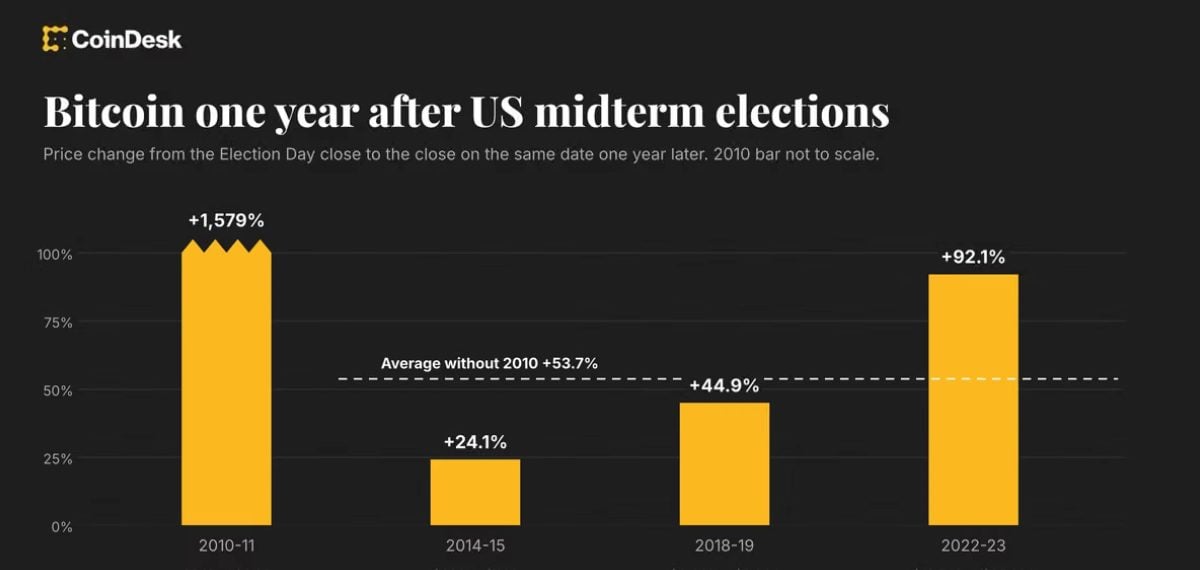
Both cryptocurrency markets and Wall Street may experience notable gains following the U.S. midterm elections on Nov. 3 — if past patterns are any indication. Excluding the tiny, early 2010 market, bitcoin has historically climbed sharply in the year after midterms, with CoinDesk’s analysis showing an average increase of roughly 53.7% from the daily close on Election Day to the same date one year later.
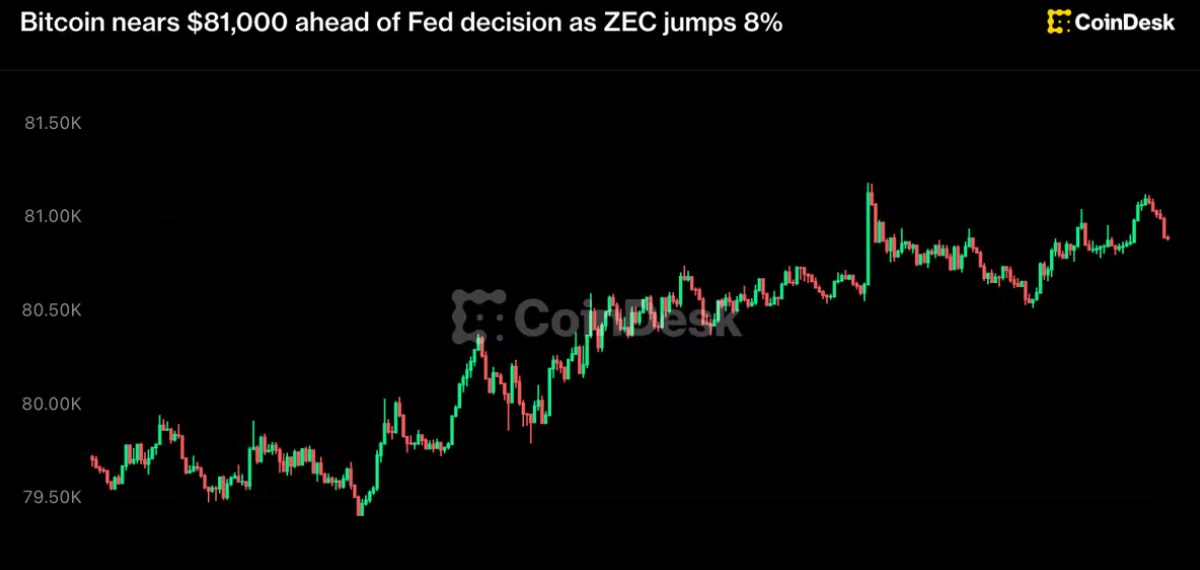
Those figures reflect the period since bitcoin’s emergence in 2009 and include dramatic stretches: bitcoin rose 1,579% in the year after the 2010 midterms, though that early surge is unreliable because the market was still nascent. More recently, BTC has recovered more than 35% since a June low under $60,000, sitting near $80,000 as investors debate whether this is a pause before another leg up.
History offers signals but not certainty. The repeated post-midterm rallies in BTC may coincide with the cryptocurrency’s intrinsic four-year rhythm rather than U.S. election outcomes alone. Bitcoin’s protocol cuts miner rewards by half roughly every four years — the so-called halving — and each halving to date has been followed by a sharp rally that typically peaks 12–18 months later before a prolonged downturn.
Those bear-market troughs have often occurred in midterm years (2014, 2018, 2022 and 2026), so a rebound observed after midterms could reflect the start of a fresh halving-driven cycle instead of direct political effects.
The S&P 500 provides a broader historical benchmark. Since 1950, the index has averaged a 15.17% gain in the year following midterm elections, compared with a 7.30% average in other years, per Hartford Funds. That longer record suggests the post-midterm window has often been favorable for risk assets, a trend that can bolster confidence in equities and other correlated markets.
The political outcomes in 2026 could reshape how President Donald Trump governs during the remainder of his term. If Democrats reclaim one or both congressional chambers, legislative dynamics around federal spending and the national debt could intensify. The unresolved debt-limit tensions and debates over discretionary and mandatory spending — including Mr. Trump’s proposal for $350 billion in mandatory defense funding — may become flashpoints.
Oversight and crypto scrutiny. Democratic committee chairs might increase investigations into conflicts of interest involving the president’s personal crypto holdings and related family business ties; such scrutiny has already begun in the form of oversight letters. Trump’s memecoin, introduced in January 2025, has also been linked to sizable retail losses, which could draw further attention from lawmakers.
Still, the Supreme Court decision in Trump v. Slaughter largely preserved the administration’s influence over financial regulators, limiting what Congress alone can do to constrain executive crypto policy. For now, markets appear to be pricing in a divided federal government, with expectations that Democrats will regain at least one chamber of Congress.