04 Ağustos 2026
açık

UK heatwaves devastate farms, forcing increased feed use and slashing crop yields, threatening supply and farmer livelihoods.

Severe heatwaves across south-east England have harmed fruit, arable and livestock production, farmers say, with growers reporting sunburned apples, reduced cereal yields and increased reliance on winter feed for cattle.
Clive Baxter, who manages about 200 acres of fruit trees at Amsbury Farm near Maidstone, said Bramley and Cox apples are suffering sunburn and internal cooking when temperatures reach around 30°C without wind, making affected fruit unsellable. He described spraying apples with a clay-based protective coating and carrying out additional thinning because trees are stressed, resulting in lower yields and smaller fruit.
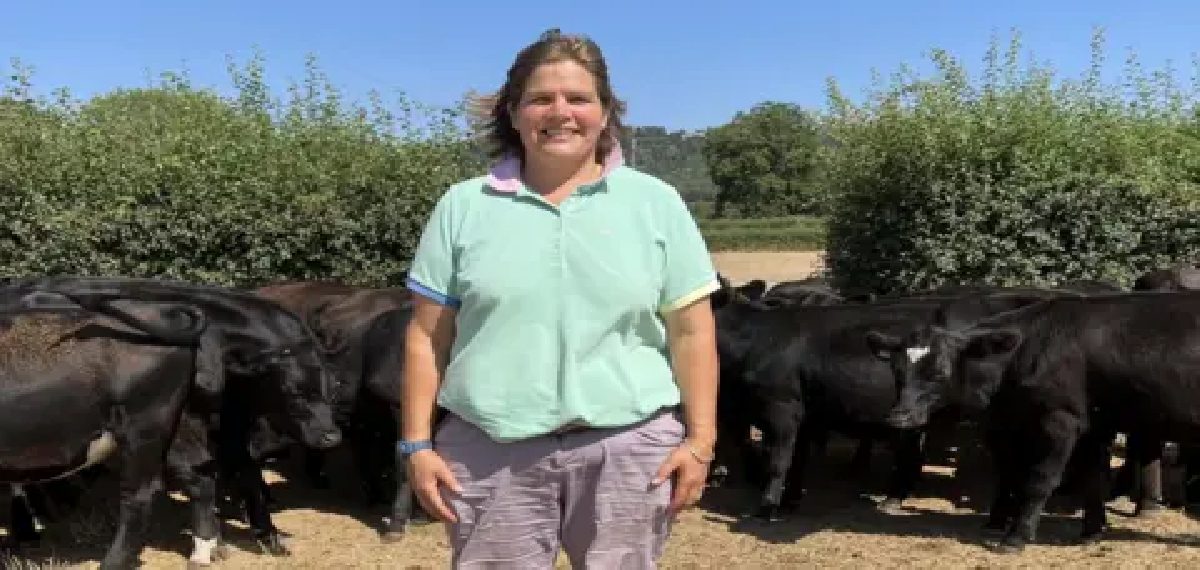
Cattle farmer Nellie Budd in Brockham, Surrey, said a 247-head herd is being fed hay normally reserved for winter after 47 days without rain left grass growth halted. Budd said animals are not achieving the expected carcass weights, and efforts to improve grasslands failed due to dry ground.
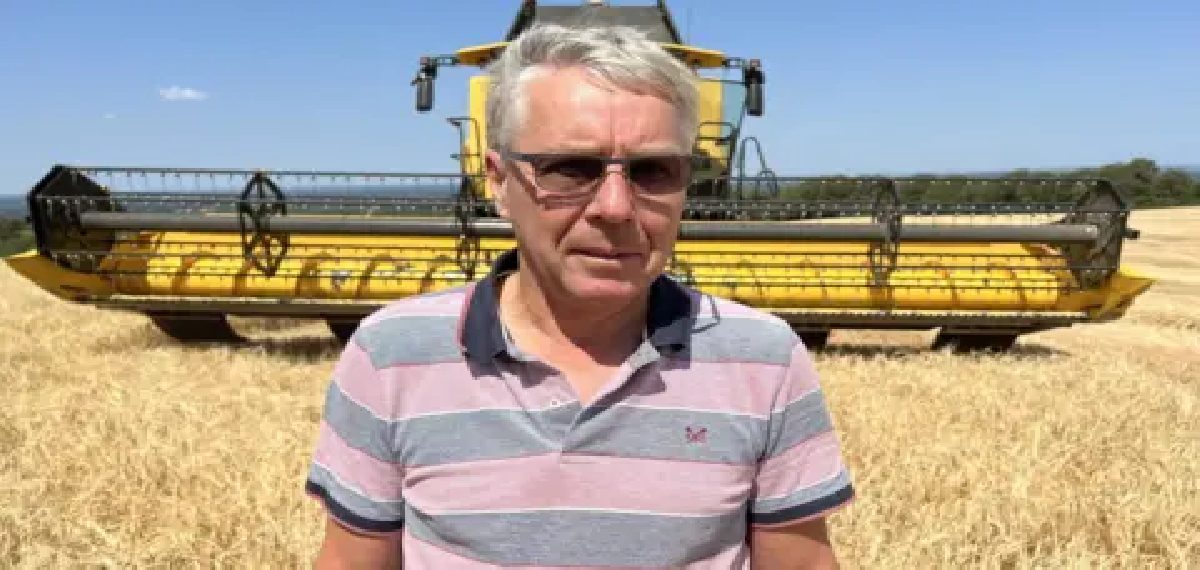
Arable farmer and contractor Peter Knight, harvesting about 2,000 acres at Woolgars Farm in West Horsley, reported spring barley and other cereals experienced drought stress from early growth and throughout grain fill, with no rain during that period. Knight estimated yields around 30–40% below normal and said irrigation is not feasible at his scale, so they are adjusting sowing times and cultivations to try to preserve moisture.
Fruit growers are using clay sprays and thinning to mitigate sunburn and internal cooking that render apples unsaleable; cattle farmers are drawing on winter feed after prolonged dry spells; arable producers report significant yield reductions, with spring-sown cereals experiencing moisture stress through flowering and grain filling.