09 Eylül 2026
açık


President Zelensky replaces Fedorov amid protests, appointing an acting defence chief as tensions rise and military leadership shifts.
President Volodymyr Zelensky announced the replacement of Defence Minister Mykhailo Fedorov on Thursday, proposing Maj-Gen Yevhenii Khmara as acting defence minister; the move prompted street protests in Kyiv and other cities and an immediate outcry from MPs and defence figures.
Fedorov, 35, who was appointed in January, said he had proposed replacing Commander-in-Chief Oleksandr Syrskyi and Chief of the General Staff Andrii Hnatov, and claimed many of his reform initiatives were blocked. Zelensky acknowledged systemic conflict between the defence ministry and the General Staff and said he would mediate while considering several candidates including Ihor Klymenko.
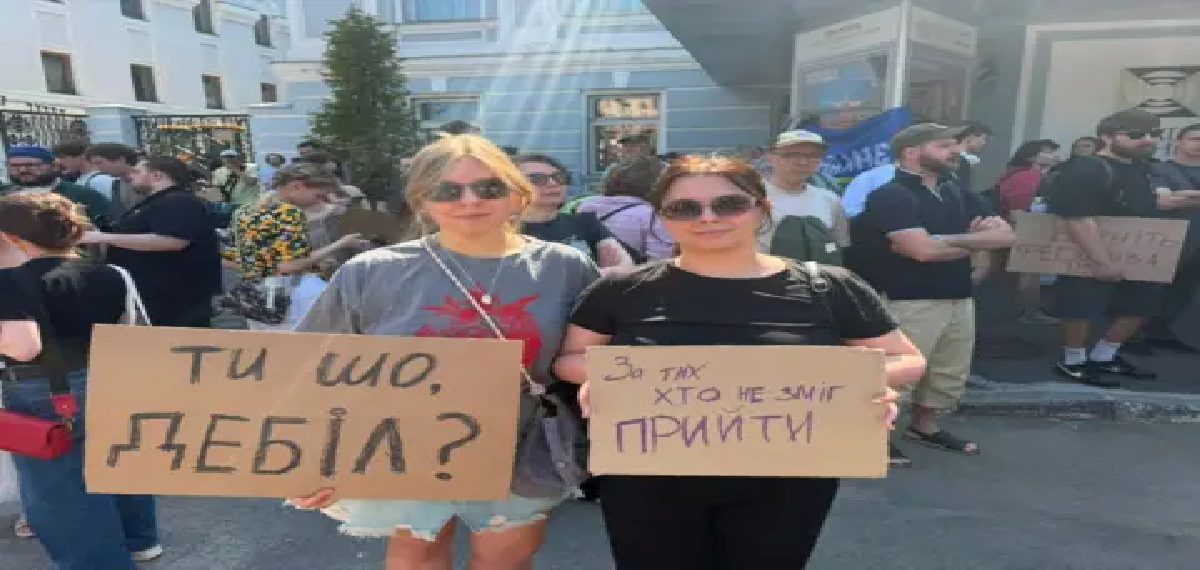
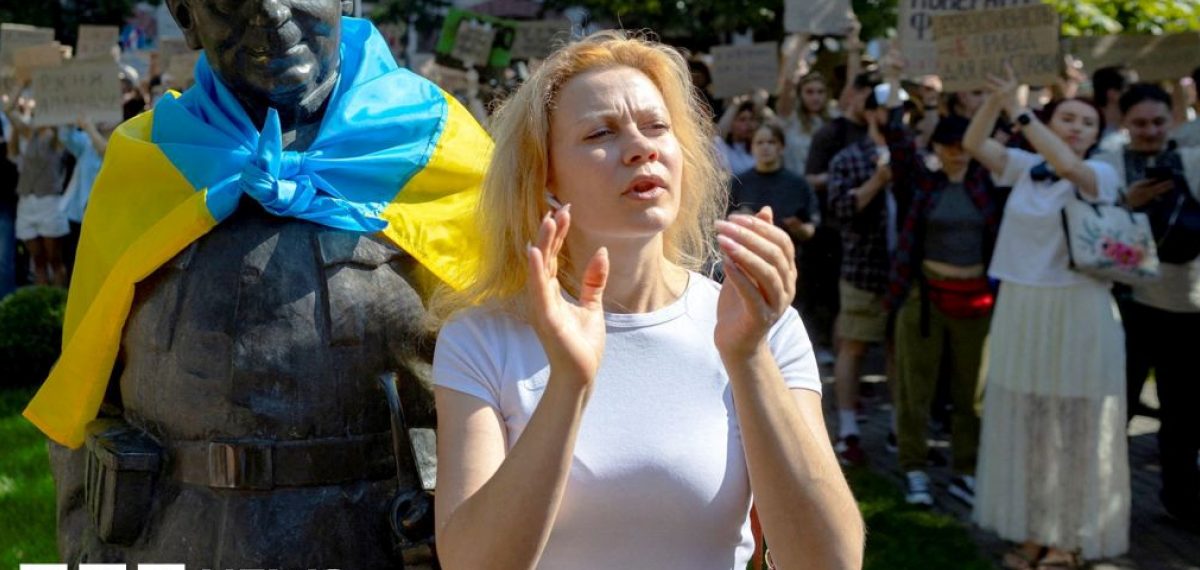
Protesters gathered in central Kyiv holding signs such as “Hands off Fedorov” and “Stop sabotaging victory!” and voiced strong opposition to the dismissal. The demonstrations spread to other cities as former allies and military figures publicly criticized the decision.
Syrskyi posted a brief message saying he was proud of the 2022 defence operation around Kyiv and would remain focused on strategy and the war, while Fedorov declined an offer from Zelensky to stay on as an adviser.
During his short tenure as defence minister, Fedorov pushed rapid modernization: anti-corruption measures, data-driven performance analysis, the Army of Drones fundraising campaign, and coordination with private-sector tech initiatives including earlier appeals to Elon Musk over Starlink usage. His ministry was also linked to strikes on occupied Crimea.
Senior military personnel reacted strongly: Pavlo Yelizarov resigned as deputy commander of the Ukrainian Air Force in protest, calling the sacking damaging to defence capability. Several advisers and tech collaborators described leaving the ministry as a loss for operational innovation.
The replacement highlights a deeper institutional tension between rapid technological reformers and traditional military leadership. If reforms stall, Ukraine risks slowing procurement cycles and digitized targeting efforts that have given it asymmetric advantages; conversely, unresolved command frictions could undermine battlefield coordination.
Politically, Zelensky faces a balancing act: preserving military cohesion while responding to public sentiment that praises innovation-driven defence measures. International partners monitoring command stability may condition certain forms of support on clear lines of authority and demonstrable operational continuity.